AI & Tech
Oracle Admits OpenAI May Not Pay for 7.1 Gigawatts of Data Center Capacity
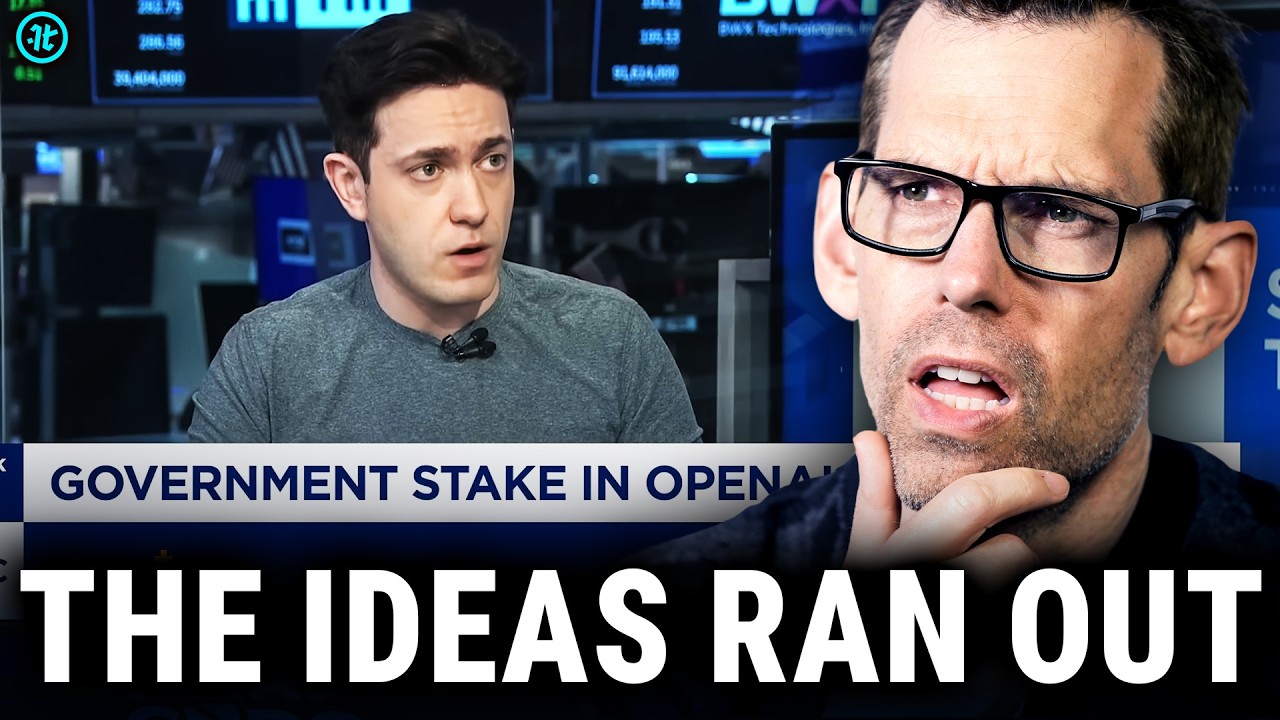

Tom Bilyeu Impact Theory
The AI Debt Bomb Is Already Hiding In Your Retirement Account — We Had To React
What was said
"Oracle is a particularly scary one because they are building 7.1 gigawatts of capacity just for one customer. And they even said in their annual report that the risk was they might not get paid. OpenAI only loses money. And I think I estimate it's like $75 billion of revenue annually. That they will have to pay for the full Stargate data center project in annual compute revenue. OpenAI can't afford that."
Ed Zitron highlighted that Oracle disclosed in its annual report the risk of nonpayment from highly leveraged customers like OpenAI, for whom Oracle is building 7.1 gigawatts of data center capacity. Zitron estimates OpenAI would need $75 billion in annual revenue to afford the compute costs, a figure far beyond the company's current financials. The disclosure raises systemic risks for Oracle's stock and CEO Larry Ellison's margin loans.
Verification status
Attributed speaker claim
Egleze verified who said this and where. The underlying claim has not been independently established by Egleze.
Source and context
Egleze verified who said this and where. The underlying claim has not been independently established by Egleze.
- Programme
- Tom Bilyeu Impact Theory
- Episode
- The AI Debt Bomb Is Already Hiding In Your Retirement Account — We Had To React
- Clip time
- 21:28
- Original source
- Watch the source segment →
From this episode
Tom Bilyeu Impact Theory