← All stories
AI & Tech

Elon Musk Claims SpaceX Will Be Worth More Than Rest of Earth Combined
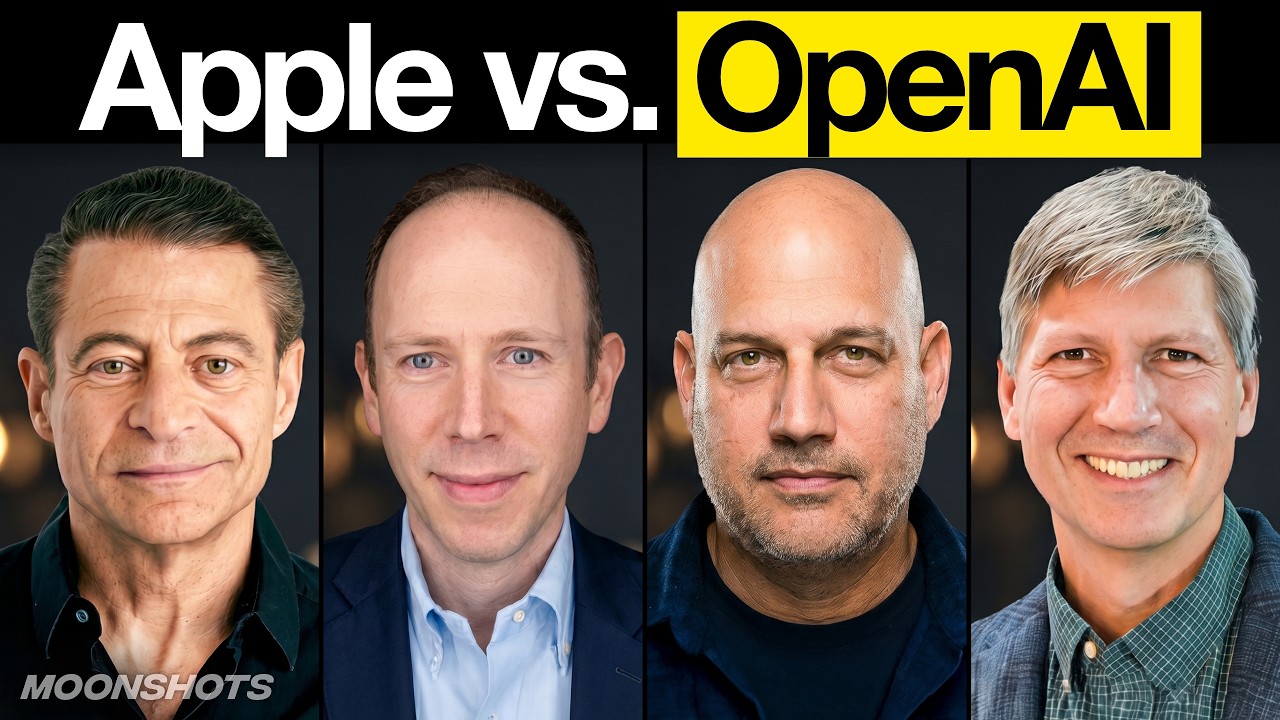
Peter Diamandis · Grok 4.5 vs gpt-5.6, Apple Sues OpenAI, and China Catches up to Elon | #270 · July 13, 2026
Elon Musk Claims SpaceX Will Be Worth More Than Rest of Earth Combined
Peter Diamandis
Peter Diamandis
Grok 4.5 vs gpt-5.6, Apple Sues OpenAI, and China Catches up to Elon | #270
"You don't seem to understand that SpaceX will be worth more than the rest of Earth if we accomplish our goals."
Elon Musk responded to a Twitter user by asserting SpaceX could exceed Earth's total material wealth of $600 trillion if it achieves its goals of space-based compute, orbital energy capture, and planetary colonization. The claim underscores Musk's vision of exponentially collapsing marginal costs in space through reusable rockets, enabling software-like economics for communication, satellites, manufacturing, and compute in orbit.

About this episode

Peter Diamandis hosts Alex Queer Gross, Dave Blondon, and Selis Mel in a special Moonshots episode covering an extraordinary week in AI and space technology. The episode opens with the startling convergence of four American frontier AI labs—OpenAI, Anthropic, Meta, and SpaceX AI—all reaching optimal performance levels within seven days, marking the end of the Anthropic-OpenAI duopoly. OpenAI released GPT-5.6 with recursive self-improvement capabilities, openly using its highest-tier model to train successors. Meta unveiled Muse Spark and SpaceX announced Grok 4.5, while China's labs continue closing the gap with competitive open-weight models. The hosts debate whether distribution or compute supply will determine market winners, with Diamandis arguing consumer reach matters most while Queer Gross counters that owning compute infrastructure is the real moat. A bombshell lawsuit emerged as Apple filed a 41-page complaint against OpenAI for systematically stealing trade secrets to build competing AI hardware with Jony Ive, naming former Apple executives now at OpenAI. The legal war represents a battle for post-smartphone device supremacy. In space, China achieved its first orbital booster landing with the Long March 10B, breaking the US monopoly on reusable rockets, while SpaceX refle a single booster for its 36th mission. Elon Musk claimed SpaceX will be worth more than Earth's $600 trillion in material wealth if it achieves its goals of space-based compute and planetary colonization. Robotics company 1X revealed a 25-degree-of-freedom hand for its Neo humanoid matching human dexterity, and the first AI-generated actor Tilly Norwood was cast as a feature film lead, triggering Screen Actors Guild condemnation. The hosts also discuss Illinois passing the nation's strongest AI accountability law requiring annual safety audits for frontier labs, Europe mandating face-tracking cameras in all new vehicles, and the implications of OpenAI's ultra-low-latency bidirectional voice technology for future consumer applications. Throughout, the hosts grapple with regulatory challenges, consciousness debates, and the accelerating obsolescence of traditional governance in an age where four frontier models can be released in one week.

Key takeaways

More stories More from Peter Diamandis