Iran Systematically Strikes U.S. Military Bases Across Six Gulf Nations
"Iran has targeted two air bases uh the King Hassan air base and the Moaf Alsati air base uh in Jordan and they have delivered damage to those. They've hit the US naval facility in Oman that while they try to have maintain good relations with Oman, they're not going to back down and allow Oman to play a double game where it hosts US aircraft carriers which are then used to carry out attacks on Iran."
About this episode
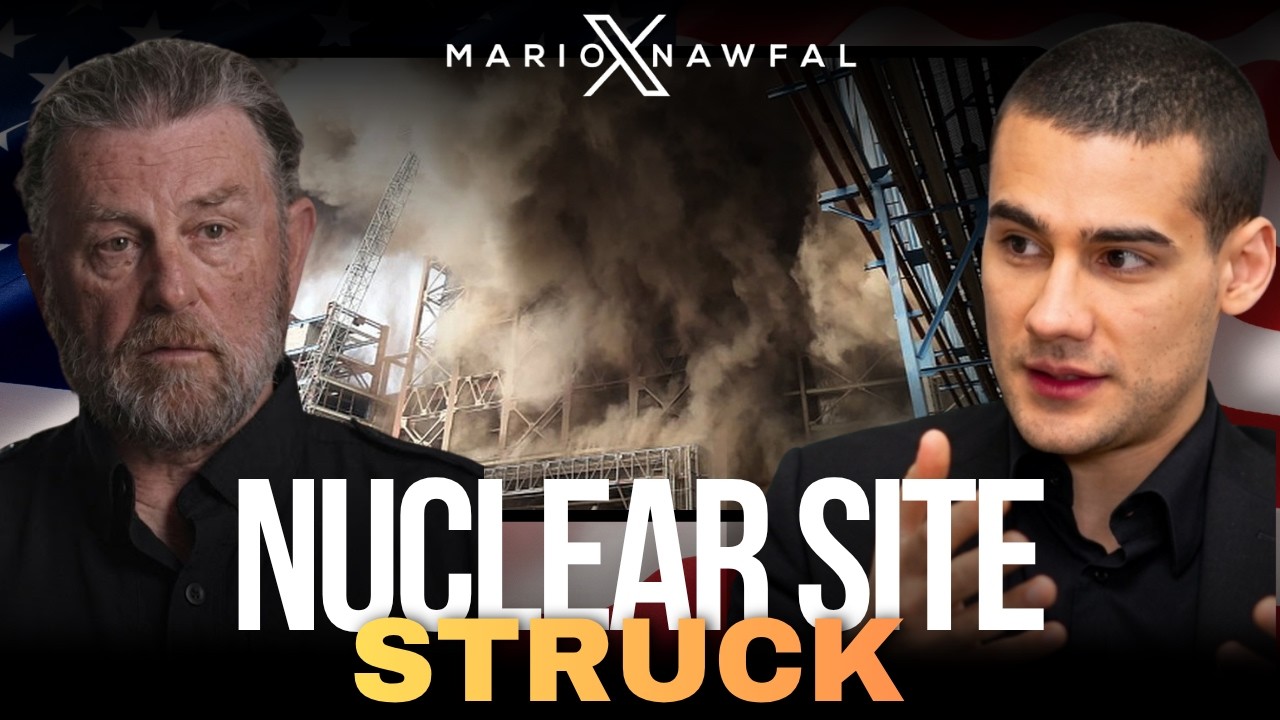
In an emergency podcast discussion, hosts analyze a rapidly escalating U.S.-Iran military confrontation that has expanded across the Middle East, with American forces conducting their largest bombardment of Iran since a recent ceasefire. The strikes targeted Iran's Iraq heavy water nuclear reactor in Kandab, previously hit in 2025 and 2026, alongside the Behan refinery which caused city-wide power outages, and dozens of cities across Kazakhstan province. A U.S. official told the New York Times these represent the biggest strikes against Iran since the ceasefire ended. In retaliation, Iran systematically struck American military installations across six nations including air bases in Jordan, a naval facility in Oman, Aluded Air Force Base in Qatar, and targets in Kuwait and Bahrain. Guest Larry Johnson, citing U.S. sources, notes that American strikes have become inaccurate and appear to be 'pray and spray' attacks, suggesting intelligence has degraded and the target bank is depleted. The discussion focuses on whether President Trump will announce a diplomatic breakthrough before markets open to prevent further escalation, as oil prices have already jumped to $80 per barrel. Both analysts express concern about miscalculation, particularly if Iran's hardliners gain influence and continue proactive strikes even after the U.S. seeks to de-escalate. Saudi Arabia has notably avoided Iranian retaliation by refusing to allow its airspace for U.S. attacks. While the current escalation remains below the intensity of the previous 40-day war, with no Israeli involvement yet, the targeting of nuclear facilities and energy infrastructure represents a significant crossing of previous boundaries. The hosts emphasize this is not yet a return to full-blown war but acknowledge the rapid deterioration exceeds their expectations from just days earlier.
Key takeaways
- U.S. forces struck Iran's Iraq heavy water nuclear reactor in Kandab and the Behan refinery causing power outages in the largest bombardment since the ceasefire according to New York Times sources.
- Iran retaliated by striking U.S. military bases across Jordan, Oman, Qatar, Kuwait and Bahrain including King Hassan air base and a U.S. naval facility in Oman.
- American intelligence analyst Larry Johnson says U.S. strikes have become inaccurate 'pray and spray' attacks indicating depleted target banks and degraded intelligence on Iranian positions.
- Oil prices jumped to $80 per barrel as markets react to escalation with focus on whether Trump announces diplomatic breakthrough before U.S. markets open Monday morning.
- Saudi Arabia avoided Iranian strikes by refusing to allow its airspace to be used for attacks on Iran demonstrating Tehran's strategic targeting of facilitating nations.
- Analysts express concern about miscalculation if Iranian hardliners opposed to diplomatic agreements gain influence and continue proactive strikes after U.S. seeks de-escalation.
- Current escalation remains below intensity of previous 40-day war with no Israeli involvement yet but represents faster deterioration than experts expected just days ago.