Brain surgeon now operates on friends after coach challenged his conventional wisdom
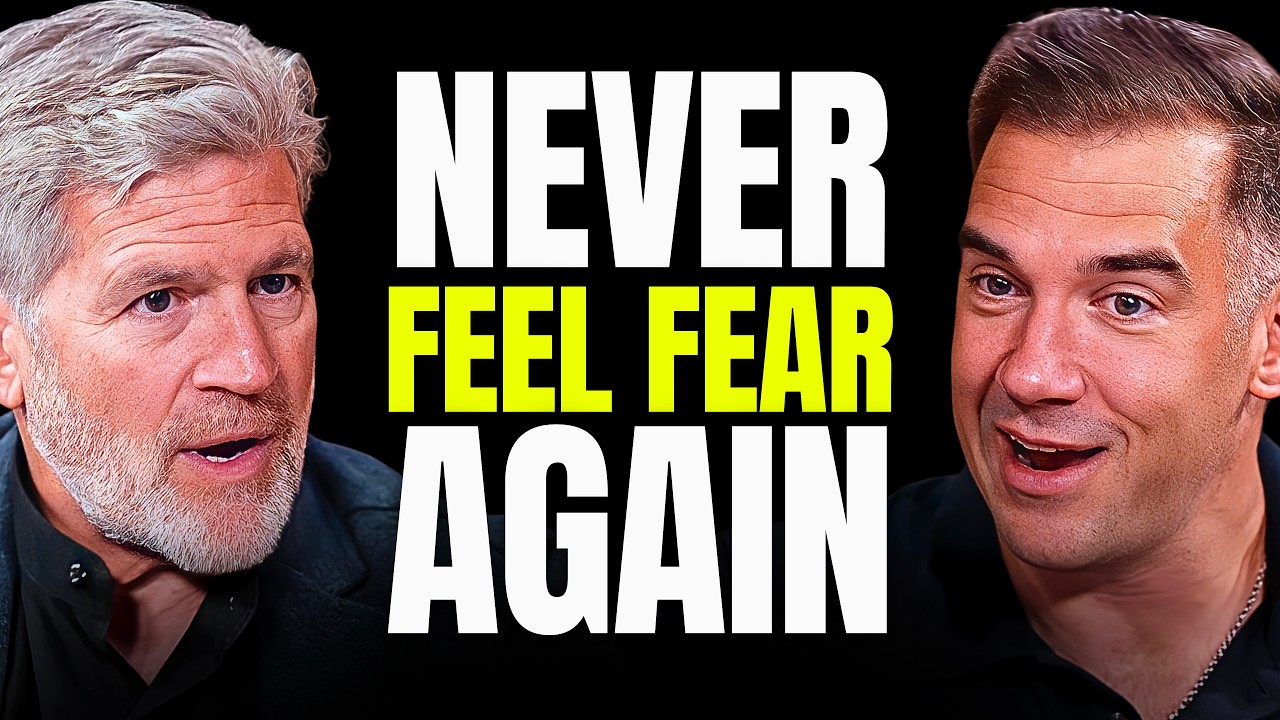
"I started operating on my friends. Never operate on your friends because what if something goes wrong? My coach helped me. He said, wait a minute, you love this person? They're your friend? And this is an operation that you can do better than anybody else or as good as anybody else? He said, then why aren't you? You're morally obligated to operate on them. I've probably operated on about 10 or 15 friends."
About this episode
Dr. Mark McLaughlin, a certified neurosurgeon with over 25 years of experience and more than 8,000 brain and spine surgeries, joins Lewis Howes to discuss what operating on over 1,000 brains has taught him about fear, performance, and the human mind. McLaughlin reveals that fear is not the enemy but ignorance of fear is, arguing that fear always impedes performance and must be systematically dismantled. He shares transformational stories from his career, including receiving news of his father's terminal cancer diagnosis moments before a complex surgery, discovering a brain cyst had disappeared mid-operation four years into his practice, and carrying guilt for 16 years over a pediatric patient's poor outcome until learning the family was grateful he saved their son's life. McLaughlin challenges conventional wisdom about self-esteem, arguing that elite performers should have no esteem rather than high or low esteem, and that connecting with oneself is more important than judging oneself. He introduces his IRISE protocol for handling surgical emergencies and his fear framework that maps fear into four quadrants. McLaughlin also reveals he now operates on friends after his coach convinced him he was morally obligated to do so, contradicting the medical tradition taught by his surgeon grandfather. The conversation explores neuroplasticity, the difference between the brain and the mind, and how language shapes reality. McLaughlin emphasizes that outcomes should not define surgeons, that judgmentalness toward others reflects self-judgment, and that taking responsibility without blame or fault is the key to leadership and continuous improvement.
Key takeaways
- Dr. McLaughlin argues fear always impedes performance and elite performers must systematically dismantle it through understanding rather than courage
- He carried 16 years of guilt over a pediatric brain tumor patient until discovering the family was grateful he kept their son alive
- McLaughlin claims self-esteem is a disease and elite performers should have no esteem, only self-acceptance and connection
- He received news of his father's terminal cancer diagnosis immediately before brain surgery but proceeded by shifting focus to love and service
- McLaughlin now operates on 10-15 friends after his coach argued he was morally obligated to do so, contradicting medical tradition
- During surgery four years into his career, a visible brain cyst disappeared forcing him to methodically problem-solve without senior help
- He introduces the IRISE protocol for emergencies: identify, reject first impulse, inventory resources, stabilize, and reevaluate