Psychology
Neurosurgeon argues self-esteem is disease and elite performers should have no esteem
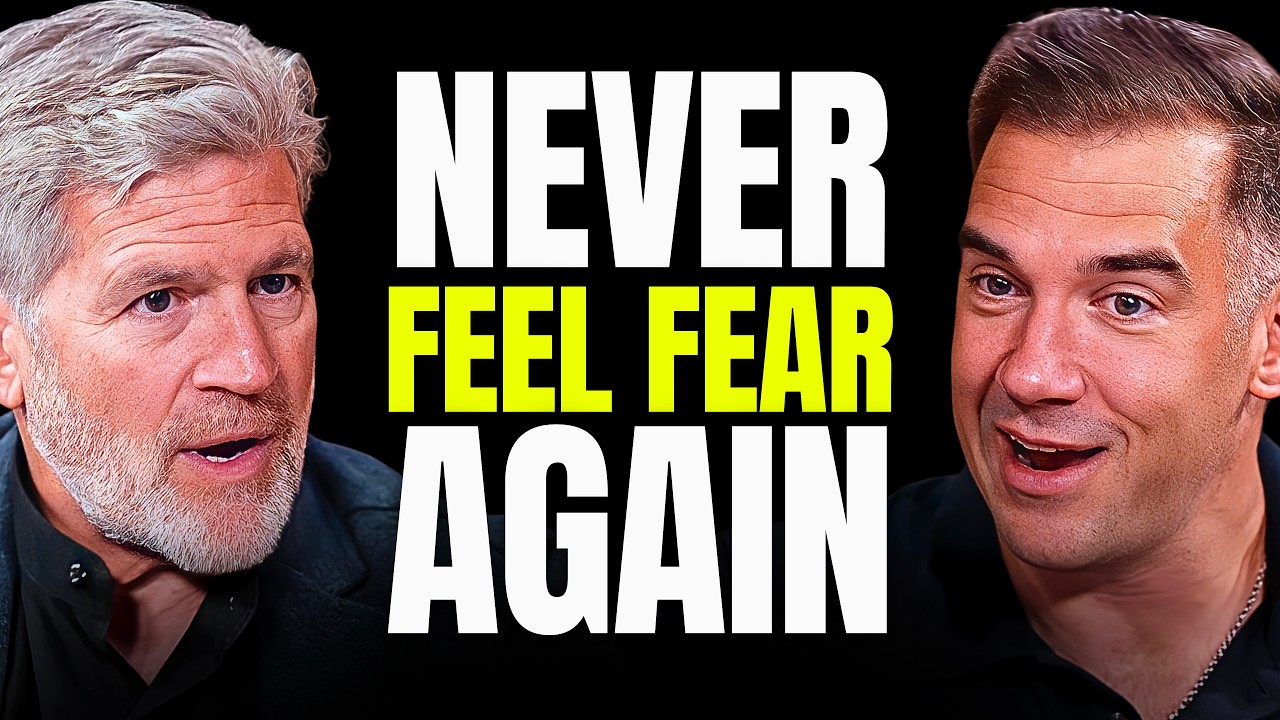

Lewis Howes School of Greatness
Neurosurgeon: Change How Your Brain Works in 30 Days | Dr. Mark McLaughlin
What was said
"I don't want to have high self-esteem. I don't want to have low self-esteem. I want no esteem. Esteem is a roller coaster that I don't want to ride. Self-esteem is not helpful. Connecting with yourself is. Being who you are, accepting who you are as it is, understanding that you're enough. The disease of self-esteem. I think that if you really talk about elite performers that day in and day out deliver what they need to, they don't have esteem. They have no esteem. Not high esteem, not low esteem, no esteem."
Dr. McLaughlin makes the controversial claim that self-esteem itself is harmful to performance because it creates comparison and judgment. He argues elite performers succeed by accepting themselves as enough rather than riding the roller coaster of high or low self-esteem, distinguishing self-esteem from self-identity and self-connection.
Verification status
Attributed speaker claim
Egleze verified who said this and where. The underlying claim has not been independently established by Egleze.
Source and context
Egleze verified who said this and where. The underlying claim has not been independently established by Egleze.
- Programme
- Lewis Howes School of Greatness
- Episode
- Neurosurgeon: Change How Your Brain Works in 30 Days | Dr. Mark McLaughlin
- Clip time
- 23:34
- Original source
- Watch the source segment →
From this episode
Lewis Howes School of Greatness