Health, Longevity & Biohacking
Brain surgeon reveals outcomes don't define him after 16-year struggle with patient case
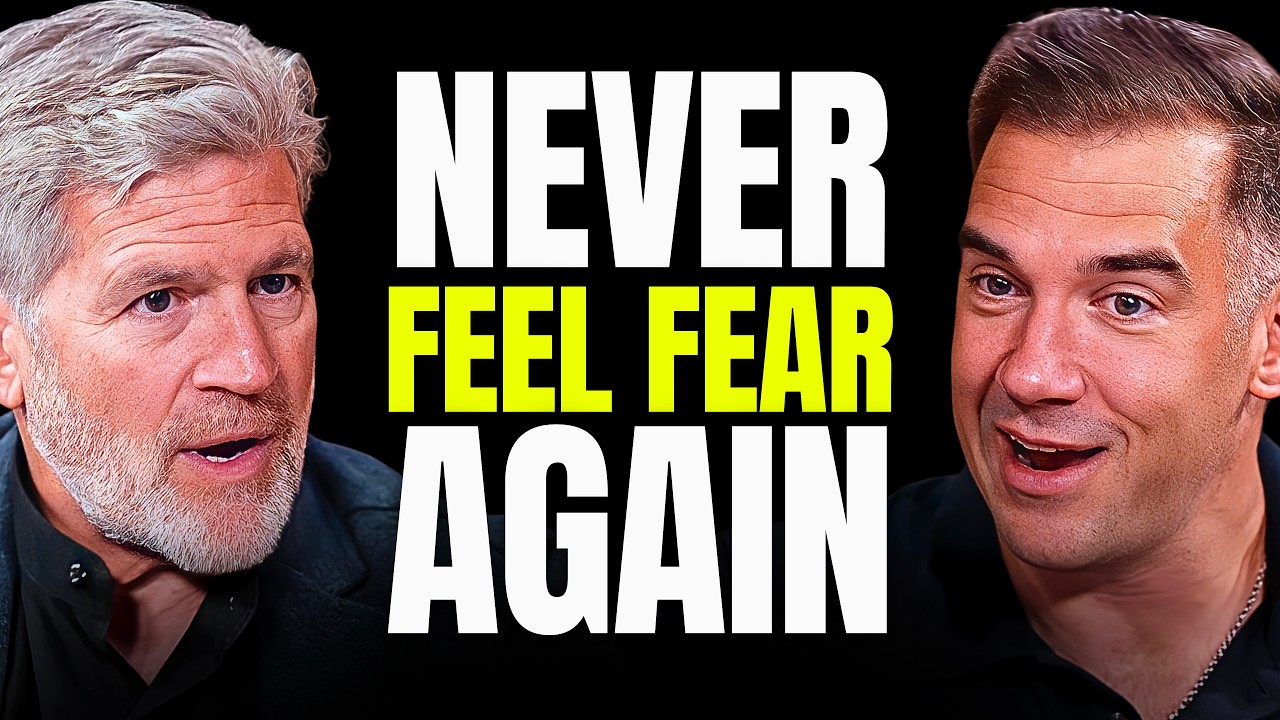

Lewis Howes School of Greatness
Neurosurgeon: Change How Your Brain Works in 30 Days | Dr. Mark McLaughlin
What was said
"I realized on that moment, I had the story all wrong. I kept blaming myself for his bad outcome when in fact I did the best I could in a very difficult situation and I kept his family intact. And on that day, I recognized, like, I cannot judge myself on my outcomes. I got to show up to work, do what I was trained to do, and the chips fall where they may."
Dr. Mark McLaughlin shares how a pediatric brain tumor case with complications haunted him for 16 years, causing him to quit pediatric neurosurgery. Years later, he discovered the patient was still alive with his family, leading to a profound realization that he had been holding himself to an impossible standard by judging his worth based on surgical outcomes rather than his effort and skill.
Verification status
Attributed speaker claim
Egleze verified who said this and where. The underlying claim has not been independently established by Egleze.
Source and context
Egleze verified who said this and where. The underlying claim has not been independently established by Egleze.
- Programme
- Lewis Howes School of Greatness
- Episode
- Neurosurgeon: Change How Your Brain Works in 30 Days | Dr. Mark McLaughlin
- Clip time
- 20:20
- Original source
- Watch the source segment →
From this episode
Lewis Howes School of Greatness