Military
Unit Operator Reveals How NSA Technology Shifted War Targeting from 50 to 99 Percent
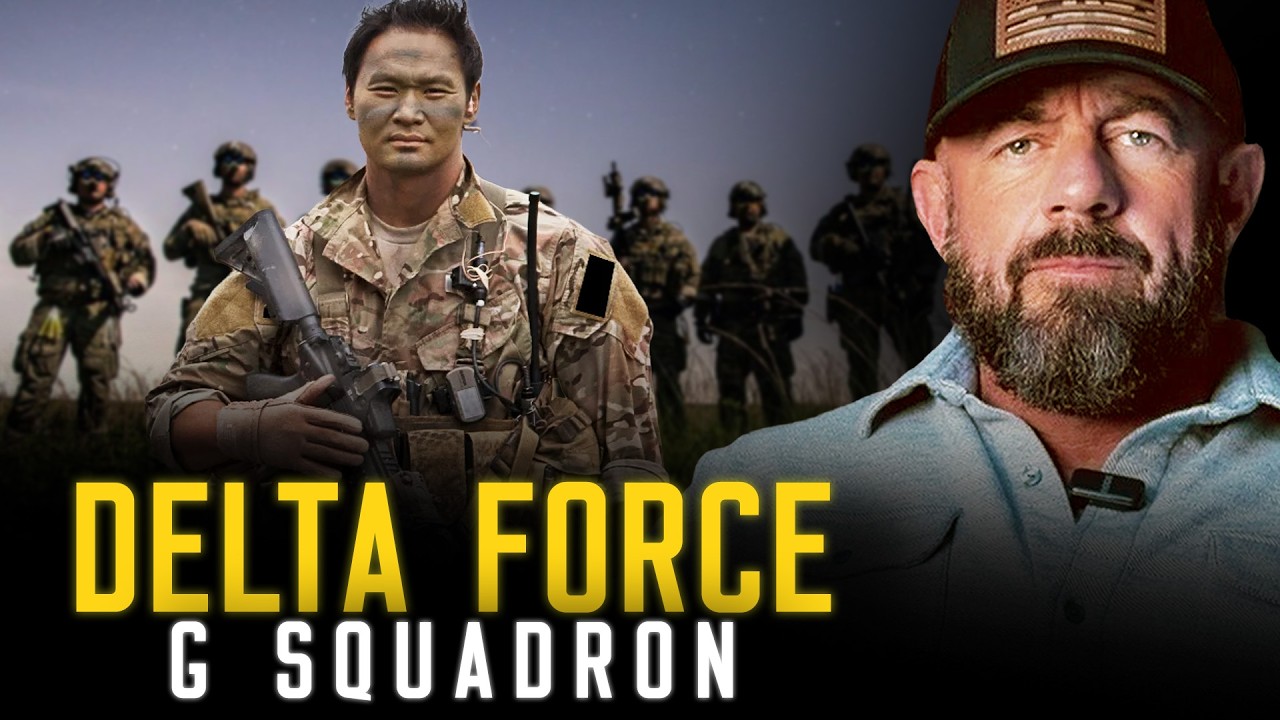

Mike Drop
Tu Lam: My Unlikely Journey to Delta Force's G Squadron
What was said
"We used to, you know, the operators would go off a humid um intelligence and that's working with the indigenous forces and I knew it was a Green Beret, you know, like humid's 50/50. Like a lot of these guys are liars anyways, you know. Um they were hitting dry hole after dry hole. In fact, we were having block clearing parties, you know, like they they'll hit a whole neighborhood to try to find that one. Not very successful, you know, in the beginning of the war. And then we got with NSA and um that's when we started narrowing down the technologies piece and then it became from 50/50 to 99% hit rate."
A former G Squadron operator at Delta Force describes the dramatic transformation in counterterrorism operations when NSA signals intelligence replaced human intelligence sources. Early in the Global War on Terror, teams relied on local informants with a 50% accuracy rate, leading to unsuccessful neighborhood-wide raids. The integration of NSA technology and device tracking capabilities enabled precision targeting down to specific rooms in houses with 99% accuracy.
Verification status
Attributed speaker claim
Egleze verified who said this and where. The underlying claim has not been independently established by Egleze.
Source and context
Egleze verified who said this and where. The underlying claim has not been independently established by Egleze.
- Programme
- Mike Drop
- Episode
- Tu Lam: My Unlikely Journey to Delta Force's G Squadron
- Clip time
- 19:16
- Original source
- Watch the source segment →
From this episode
Mike Drop