← All stories
Military

Green Beret Describes First Day Hazing by Team in Okinawa Japan
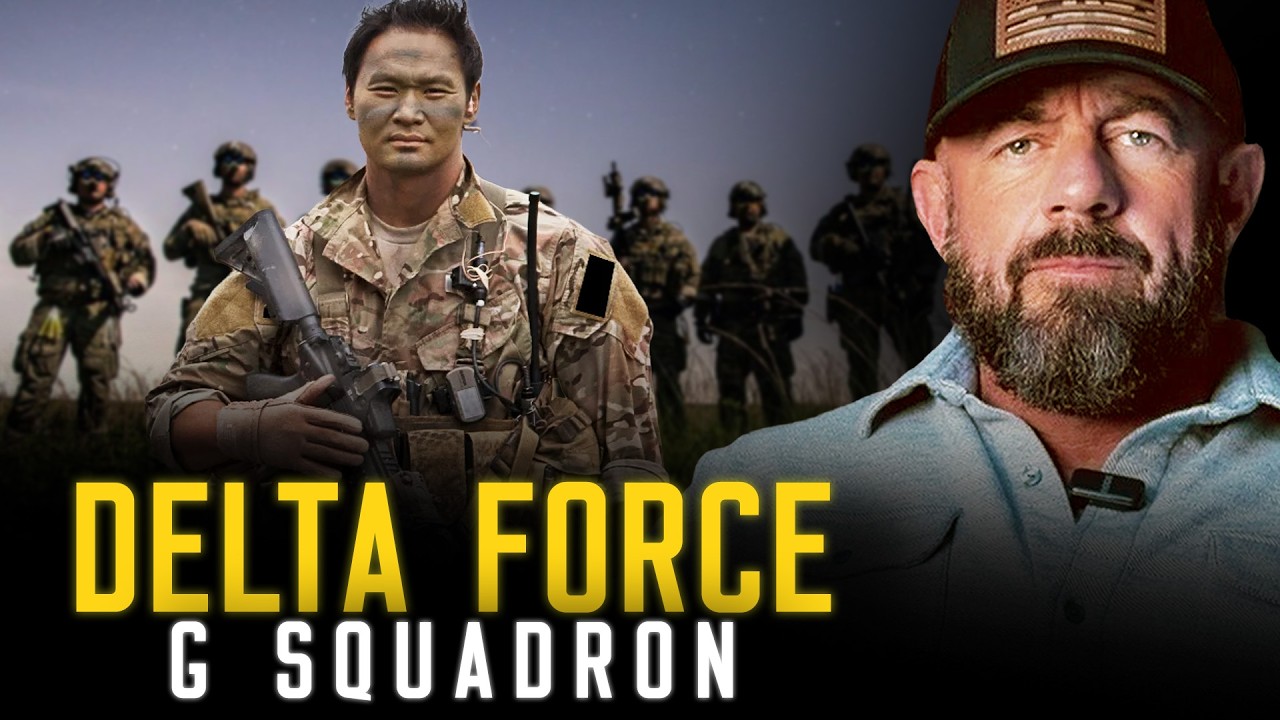

Mike Drop · Tu Lam: My Unlikely Journey to Delta Force's G Squadron · July 11, 2026
Green Beret Describes First Day Hazing by Team in Okinawa Japan
Mike Drop
Mike Drop
Tu Lam: My Unlikely Journey to Delta Force's G Squadron
"I knocked on the door that morning at 9:00. They opened the door, looked at me, and slammed the door. And they literally made me stand outside um all day. it was into, you know, 4:30 that afternoon was when the teams aren't always ready to talk to me. So from 9 to, you know, 16:30, I stood out of the team room at parade rest just waiting for them to talk to me."
A newly qualified Green Beret recounts his first day at a combat search and rescue team in Okinawa, where teammates made him stand outside at parade rest for over seven hours before speaking to him. The team told him they didn't trust him because of his ethnicity and denied him the combination to the team room for a month, relegating him to janitorial duties. The extreme hazing went beyond typical new guy treatment, particularly because he had arrived as a junior E5 through a personal connection rather than following the normal progression.

About this episode

A former Green Beret and Delta Force operator describes his journey through special operations, from extreme first-day hazing in Okinawa to joining the elite G Squadron. The guest recounts arriving at his first Special Forces team in Japan, where teammates made him stand outside for over seven hours and told him they didn't trust him because of his ethnicity, denying him access to the team room for a month. He trained extensively throughout Southeast Asia with allied commando forces, mastering jungle warfare and competing in underground Muay Thai matches on the side. After a shattered ankle ended his combat diver aspirations, he pivoted to counterterrorism with SIFT teams, kicking doors and conducting foreign internal defense operations in the Philippines against Abu Sayyaf. His fighting career led to an unexpected recruitment by Delta Force's command sergeant major, who witnessed him in a Thai street fight and offered him a position developing combatives training for the unit. The operator reveals how NSA signals intelligence transformed special operations targeting from a 50 percent success rate with human sources to 99 percent precision using device tracking technology. He describes the operational shift from neighborhood-wide raids hitting dry holes to pinpointing targets down to specific rooms in houses. After combat rotations with Delta squadrons experiencing daily firefights in 2004, he transitioned from the combatives program to G Squadron's technical reconnaissance unit, where he volunteered for high-risk missions including serving as a gunner and operating direction-finding equipment to locate enemy communications.

Key takeaways

More stories More from Mike Drop