BlackRock and Microsoft Hired by G7 to Counter China's Belt and Road Initiative
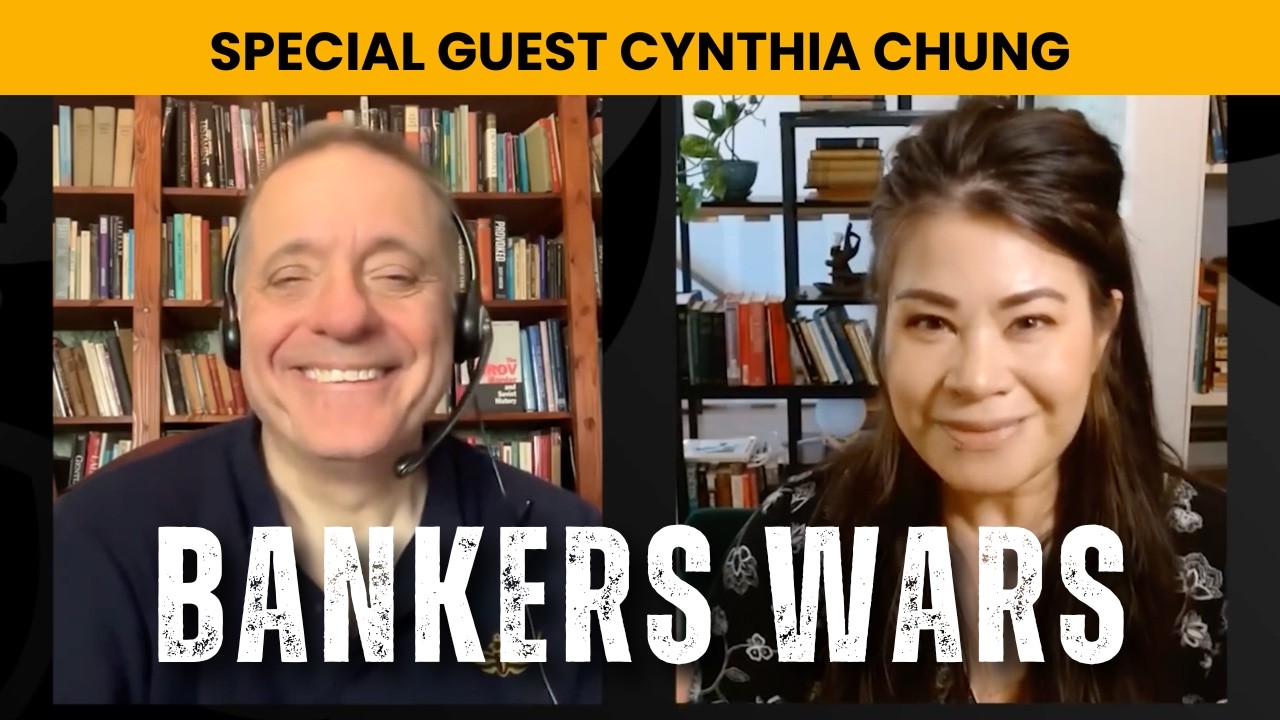
"People should look into what BlackRock is doing which is also closely tied to Goldman Sachs in terms of buying up infrastructure around the world to counter China's Belt and Road initiative. BlackRock and Microsoft have been hired by G7 and were brought in very directly with the American government as well to do this. That's what the whole Panama Canal scandal was about as well."
About this episode
Alexander Mercouris and host interview Cynthia Chung, a China analyst, who systematically dismantles Western narratives about Chinese authoritarianism and reveals extensive Western financial intervention attempts in China. Chung traces how Goldman Sachs, under CEO Henry Paulson who became Treasury Secretary during the 2008 crisis, deliberately created derivatives as weapons designed to profit from client losses. She exposes that the infamous Chinese social credit system was actually initiated by Alibaba and Tencent—both registered in the Cayman Islands and backed by Goldman Sachs—as part of predatory peer-to-peer lending schemes imported from the West following the 2008 crash. The Chinese government under Xi Jinping intervened with banking regulations requiring 30% reserves, effectively shutting down these fintech operations, including the forced retreat of Jack Ma's Ant Group just before its massive IPO. Chung reveals BlackRock and Microsoft have been hired by G7 to counter China's Belt and Road Initiative through global infrastructure acquisition, connecting this to Panama Canal controversies. She describes China's actual economic model as emphasizing stability through decentralized competition, citing over eight major AI competitors versus Western monopoly consolidation, and drawing on centuries of Confucian philosophy and Han Dynasty economic lessons rather than communist doctrine. Most Chinese citizens don't identify as communist, she notes, and experience less government intrusion than Westerners imagine while benefiting from fierce market competition and anti-predatory regulations. The discussion concludes with Chung arguing Western elites fear China's alternative development model because it exposes extractive capitalism's failures.

Key takeaways
- Goldman Sachs deliberately engineered derivatives to profit from client losses before 2008, with CEO Henry Paulson then becoming Treasury Secretary to oversee crisis response and global reform.
- Alibaba and Tencent, both Cayman Islands-registered companies backed by Goldman Sachs, attempted to implement Western-style predatory lending and social credit systems before Chinese government intervention shut them down.
- BlackRock and Microsoft were hired by G7 and U.S. government to purchase global infrastructure as counter-strategy to China's Belt and Road Initiative, connected to Panama Canal controversies.
- China maintains over eight competing major AI companies with fierce innovation cycles, contradicting narratives of authoritarian control while U.S. tech consolidates into monopolies.
- Former Google CEO Eric Schmidt recently called for Western intervention against China's independent economic development, revealing elite discomfort with alternative models.
- Chinese economic system draws heavily on Confucianism and Han Dynasty lessons rather than communist doctrine, with most citizens not identifying as communist and experiencing less daily government intrusion than Western stereotypes suggest.
- China rejected shock therapy economic reforms multiple times through experimental local testing rather than dogmatic implementation, prioritizing stability over ideology while Western academics promoted radical deregulation.