Court Accuses Trump of Creating Phony Foundation to Divert Kennedy Center Donations
"Trump's always setting up these phony foundations to sit between the real party in interest that needs the money and divert money away from the congressionally funded project. He just did it with the 4th of July, right? The America 250 Fund was created by Congress in a bipartisan way to run the 4th of July and celebrations about 250. He set up a Freedom 250 and then started diverting money to it, including giving phony wire instructions."
About this episode
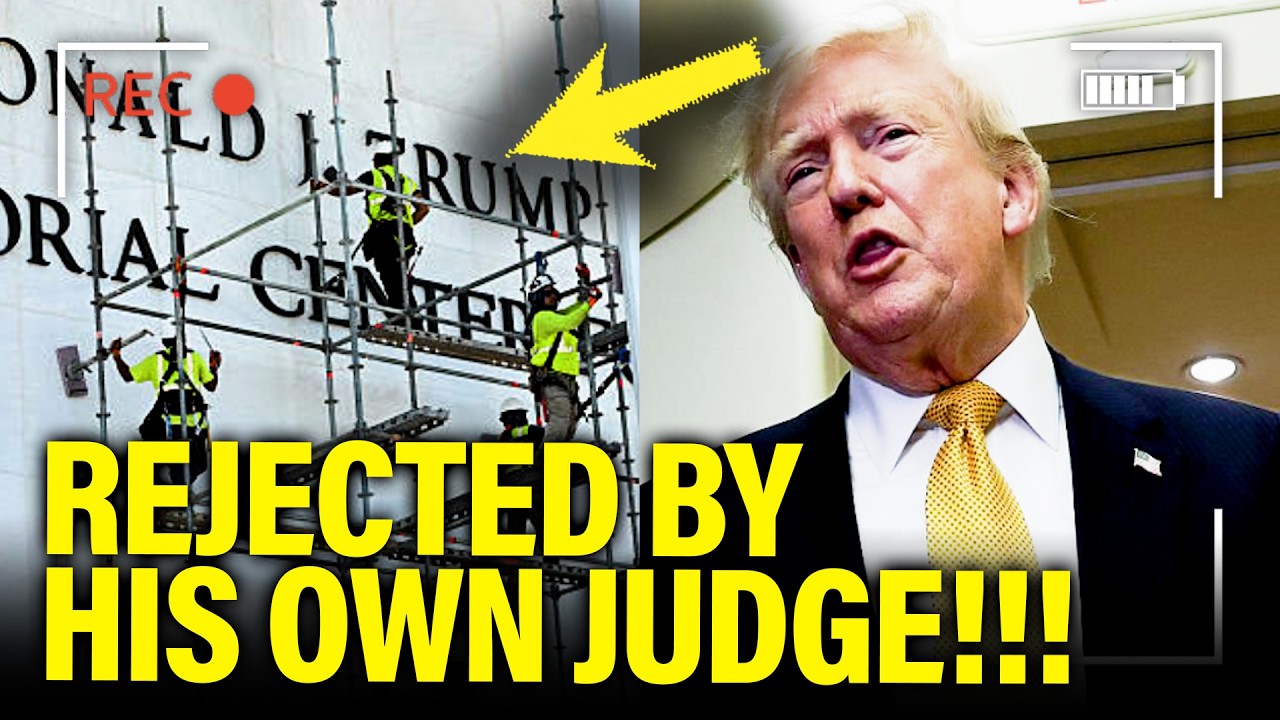
Legal analyst Michael Popock reports on a significant legal defeat for Donald Trump in his effort to restore his name to the Kennedy Center, with a federal appeals panel unanimously denying his emergency motion in a 3-0 decision. The D.C. Court of Appeals ruling is particularly notable because it includes Trump-appointed Judge Katzas joining two Obama appointees in rejecting Trump's arguments. The panel found Trump failed to provide facts or evidence demonstrating irreparable harm from the removal of his name, which had already occurred following District Court Judge Cooper's earlier ruling. Judge Cooper had ordered Trump's name removed from the Kennedy Center facade and website, finding it violated the organic statute establishing the center as a living memorial to President John F. Kennedy. The appeals court rejected Trump's argument that a newly created Trump Kennedy Center Foundation would have to return donations, calling it a post hoc argument never raised in district court. Popock draws parallels between the Kennedy Center foundation and Trump's alleged pattern of creating intermediary foundations to divert congressionally appropriated funds, citing the Freedom 250 fund as another example where House Democrats claim phony wire instructions were used to redirect money from the bipartisan America 250 Fund. The court noted that the Kennedy Center had already amassed millions in contributions despite Trump's name removal, contradicting claims of financial harm. Judge Cooper retains jurisdiction over additional matters including supervision of Kennedy Center operations and Representative Joyce Beatty's restoration to the board. The unanimous ruling, including from a judge potentially auditioning for the Supreme Court, represents a significant setback for Trump's attempt to maintain his legacy presence at the iconic Washington venue.
Key takeaways
- Trump-appointed Judge Katzas joined two Obama appointees in a unanimous 3-0 decision denying Trump's motion to restore his name to the Kennedy Center facade.
- The D.C. Court of Appeals ruled Trump failed to provide facts or evidence demonstrating irreparable harm from his name removal, which had already occurred.
- Trump's team created a Trump Kennedy Center Foundation that promised to return donations if his name was removed, but the court rejected this argument as improper.
- Popock alleges Trump has a pattern of creating phony foundations to divert congressionally funded money, citing both the Kennedy Center and America 250 Fund cases.
- The Kennedy Center had already collected millions in donations despite Trump's name removal, undermining claims of financial harm to fundraising efforts.
- District Court Judge Cooper previously ruled Trump's name on the Kennedy Center violated the organic statute establishing it as a memorial to JFK.
- The denial of the stay means all of Judge Cooper's orders remain in effect throughout the appeal process, including name removal and Representative Beatty's board restoration.