Professor calls US post-WWII foreign policy record fundamentally destructive and misguided
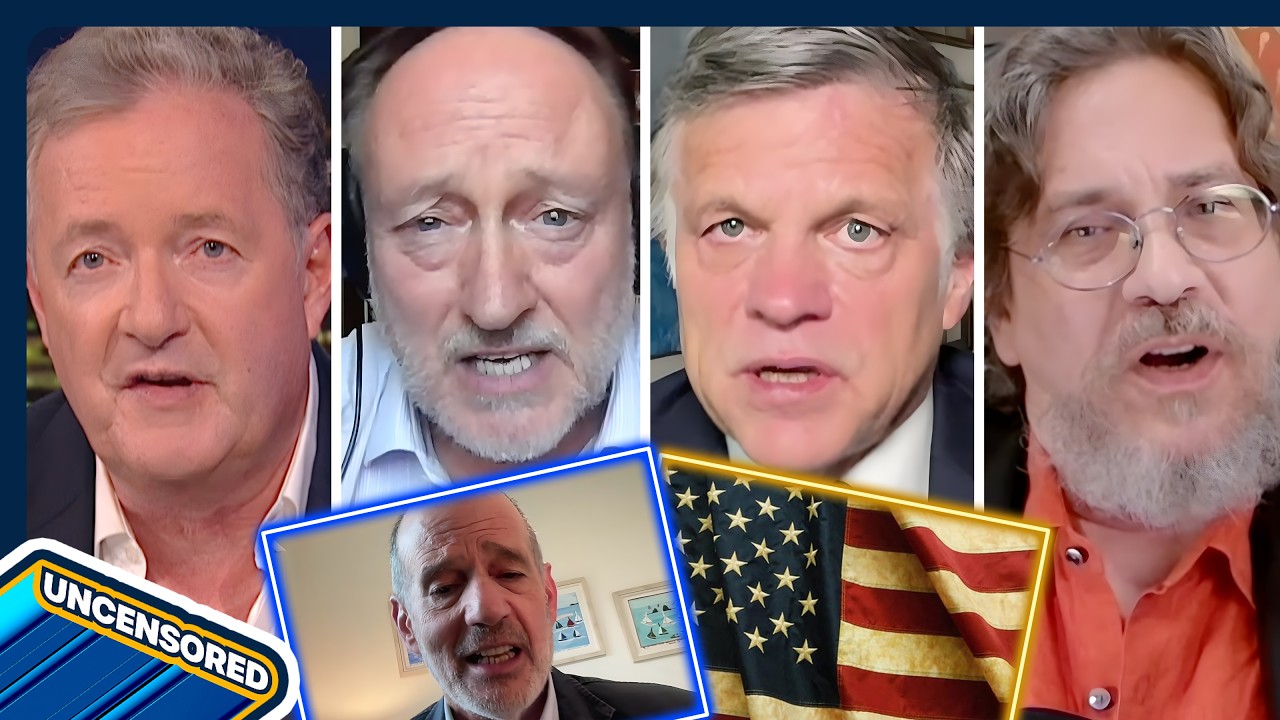
"I feel like post World War II, the United States had the opportunity to do so many good things and then regularly chose to do the wrong thing. And that sort of deliberate misjudgment on the part of leadership, on the part of oligarchs, on the part of the political elite, I think will make it so the United States is judged poorly."
About this episode
Piers Morgan assembles leading historians including Lord Andrew Roberts, Douglas Brinkley, Roy Casagranda, and Barry Strauss to examine America at its 250th anniversary amid deepening cultural and political divisions. The discussion reveals fundamental disagreements about American identity, with Professor Casagranda arguing Trump's election represents a reactionary rejection of racial and gender equality progress, characterizing MAGA as an attempt to return to 19th century values. Presidential historian Douglas Brinkley dismisses Trump's historical significance despite his unprecedented celebrity reach, predicting his legacy will be reduced to commercial kitsch rather than ranking with Lincoln or FDR. The panel debates whether America has been a force for good globally, with Casagranda delivering a sweeping indictment of post-WWII foreign policy as deliberately destructive, citing overthrown democracies and unnecessary wars from Vietnam to Iraq. The Iran war emerges as a central case study of American military overreach, with historians suggesting Israel persuaded Trump into action based on faulty predictions about regime collapse and popular uprisings that never materialized. Barry Strauss predicts the US may soon end military aid to Israel, noting many Israelis want independence from American support. Lord Roberts argues FDR was America's greatest president for saving the world from Nazism, while noting Trump actually wields more executive power than King George III did. The conversation reveals how even American history itself has become contested territory in culture wars, with competing narratives about the nation's founding, its role in the world, and its future direction. Morgan notes Trump shared a post claiming he's the most powerful person ever to walk the planet, though historians remain skeptical of such grandiose claims despite acknowledging the American presidency's unprecedented global reach in the social media age.
Key takeaways
- Professor Roy Casagranda argues Trump's MAGA movement represents a deliberate rejection of racial and gender equality progress, seeking to return America to 19th century values rather than build on civil rights advances
- Presidential historian Douglas Brinkley predicts Trump's historical legacy will be reduced to commercial kitsch in tourist traps rather than ranking with transformative presidents like Lincoln or FDR
- Barry Strauss suggests the United States may soon end military aid to Israel, noting many Israelis themselves want independence from American support after the problematic Iran war
- Professor Casagranda delivers sweeping indictment of US post-WWII foreign policy, cataloging overthrown democracies and unnecessary wars as deliberate wrong choices by political elites that squandered opportunities for global peace
- Historians argue the Iran war exemplifies American military overreach, with Israel persuading Trump based on predictions of regime collapse and popular uprisings that never materialized
- Lord Andrew Roberts contends FDR was America's greatest president for developing the grand strategy that defeated Hitler and saved the world from Nazism
- Panel consensus identifies Abraham Lincoln as America's greatest president for preserving the Union and abolishing slavery during the Civil War, while Elizabeth I emerges as Britain's greatest monarch for her pragmatic statesmanship