Combat Veteran Says Celebrating Charlie Kirk Death Reveals Society Views Political Opponents as Mortal Enemies
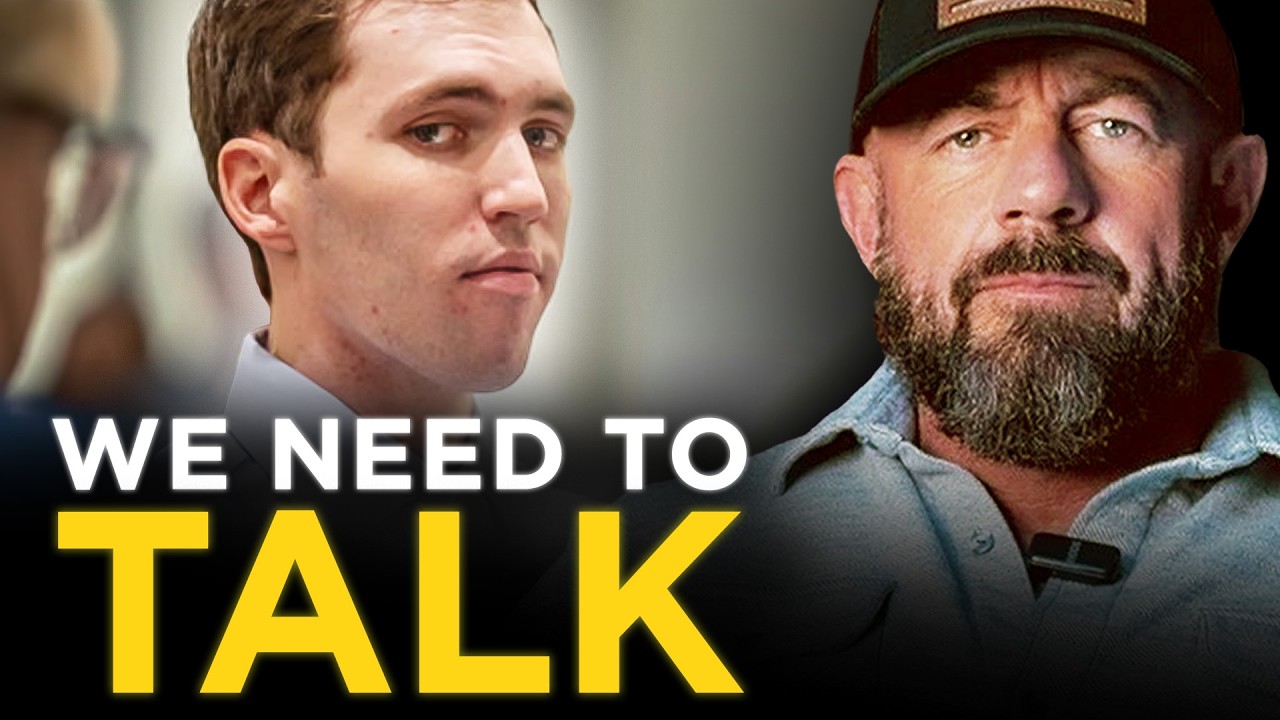
"What that tells me is that there are a subset of our population that views political opponents as mortal enemies. And to me, that, that was by far the most worrisome aspect of the whole thing, is that I— it made me realize as soon as you dehumanize people, there's really no lower form than that."
About this episode
In this nearly three-hour conversation recorded in the aftermath of Charlie Kirk's assassination, podcast host Mike and his interviewer engage in a sobering reflection on political violence, societal polarization, and the disturbing public response to Kirk's death. Mike, a combat veteran and experienced podcast host, reveals that the shooting affected him more deeply than anticipated, prompting him to analyze why the event rattled him despite his military background and exposure to violence. The central thesis of their discussion centers on the dangerous societal shift revealed by public celebrations of Kirk's death, with Mike arguing that such responses indicate segments of the population now view political opponents as mortal enemies rather than fellow citizens with differing views. Drawing parallels to his combat experience, Mike notes he has encountered veterans celebrating battlefield victories over actual enemies, but the celebration of an American citizen's death for their political speech represents an unprecedented and catastrophic level of dehumanization. The hosts contrast contemporary reactions to historical responses, noting the absence of celebration following JFK's assassination despite deep political divisions. They discuss how social media amplifies extremism, the need for emotionally competent leadership that sets rather than reflects societal temperature, and their shared hope that real-world interactions remain more civil than online discourse. Both recorded their respective shows the day of the shooting, experiencing the news in delayed phases during their recording sessions, which created an eerie disconnection from the rapidly evolving story. The conversation concludes with calls for condemning all political violence and concerns about precedent-setting that could fundamentally alter American society.
Key takeaways
- Combat veteran Mike reveals Charlie Kirk's assassination affected him emotionally more than expected despite his military background and exposure to violence in combat situations.
- Mike argues public celebration of Kirk's death indicates segments of society now view political opponents as mortal enemies, representing catastrophic societal dehumanization.
- The hosts contrast contemporary celebratory responses to Kirk's death with the absence of such reactions following JFK's assassination despite comparable political divisions.
- Both hosts were recording their respective podcasts when Kirk was shot, learning details in delayed phases that created an eerie disconnection from real-time events.
- Mike emphasizes the need for emotionally stable leadership that functions as a thermostat setting societal temperature rather than a thermometer reflecting existing heat.
- The conversation highlights how social media incentivizes extreme voices while real-world interactions like holding doors at convenience stores remain largely civil.
- Both hosts condemn all political violence and express concern that Kirk's assassination could set dangerous precedents fundamentally altering American democratic society.