Conor McGregor admits alcohol trap from Proper Twelve whiskey destroyed his career
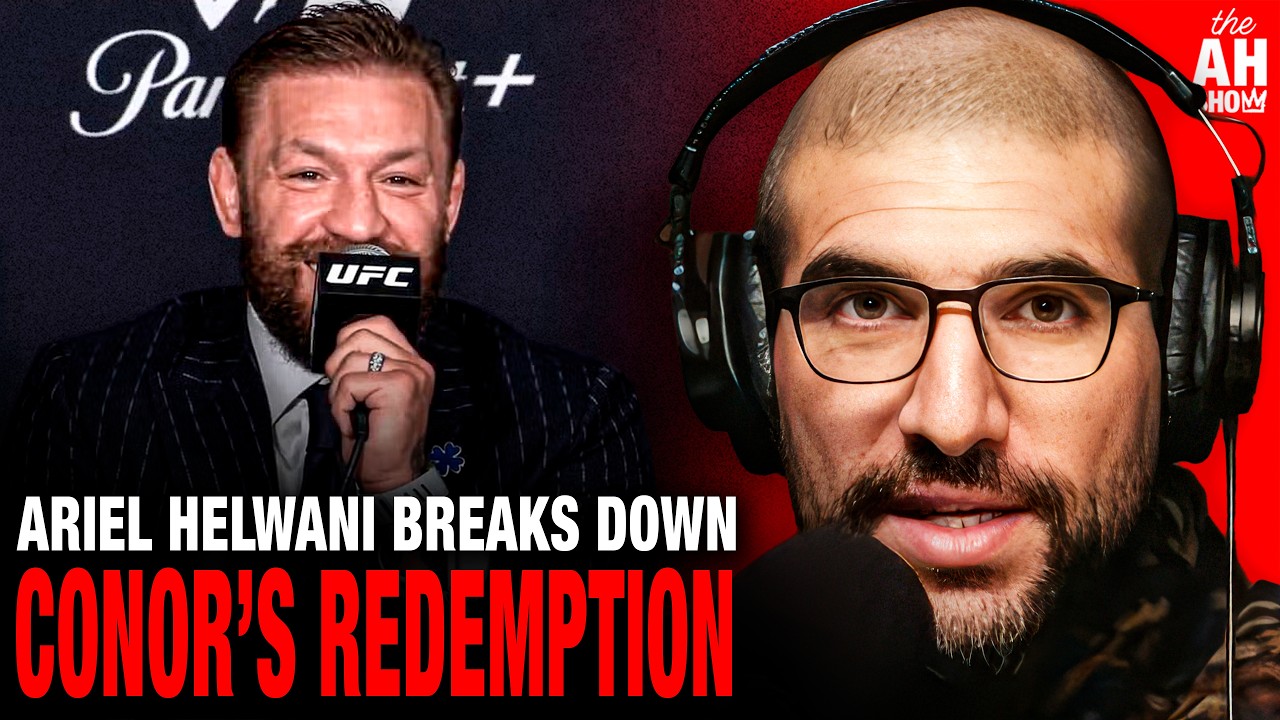
"2017 Doubleweight world champion Floyd Mayweather banked. And then I launched an Irish whiskey. I didn't drink heavily, if at all, in that time of my life. I was an athlete at the top of my game. Next thing you know, there's thousands upon thousands of bottles in my garage. Sell this, Conor. Okay, I'd leave my property and with 2 bottles under my arm, and that was it. I was caught, you know. I wasn't used to it. I fucking— that's it. God gave me these lessons. That is where I stand."
About this episode
Ariel Helwani and his Uncrowned team dissect Conor McGregor's media day appearance ahead of his UFC return fight against Max Holloway, examining both the athletic comeback and the controversies surrounding the Irish fighter. McGregor made several notable admissions, including acknowledging for the first time that his Proper Twelve whiskey brand led to an alcohol problem that trapped him after the 2017 Floyd Mayweather fight, describing thousands of bottles in his garage that he couldn't resist. The discussion comes as a New York Times report alleges McGregor continued using human growth hormone and anabolic steroids even after his broken leg healed, raising questions about performance enhancement versus medical recovery. McGregor also addressed the November 2024 civil sexual assault verdict, declaring himself an innocent man and suggesting new evidence will emerge. The panel, including Chuck Mendenhall and Irish journalist Peter Carroll, explored how the fight week feels markedly different from McGregor's previous events, with less promotional fanfare and a deeply divided Irish public. Carroll noted that bars in Dublin that once packed out for McGregor fights are barely opening for this one, reflecting how the civil case has fundamentally altered his standing in Ireland. They debated whether a knockout victory could rehabilitate McGregor's image, with Carroll arguing Irish sentiment is too hardened to change. The conversation also addressed Max Holloway's role as an afterthought despite being the BMF champion coming off major fights, and whether McGregor's religious references and reformed persona are genuine or performative. The team grappled with the journalistic challenge of covering an athlete whose sporting significance cannot be separated from serious allegations and a pattern of controversial behavior spanning nearly a decade.
Key takeaways
- Conor McGregor admitted for the first time that his Proper Twelve whiskey brand led to an alcohol problem that derailed his career after the 2017 Mayweather fight
- New York Times reported McGregor continued using human growth hormone and anabolic steroids after his leg injury healed, raising performance enhancement questions
- McGregor declared his innocence regarding the November 2024 civil sexual assault verdict and predicted new evidence will vindicate him
- Irish journalist Peter Carroll reported McGregor fight week in Dublin feels dramatically different with bars barely opening and public sentiment deeply negative
- The panel debated whether a knockout victory over Max Holloway could rehabilitate McGregor's image, with Carroll arguing Irish opinion is too hardened to change
- Max Holloway is largely overlooked despite being BMF champion, with the fight 95% focused on McGregor's comeback narrative and controversies
- UFC promotion for the fight is notably subdued compared to past McGregor events, reflecting the pay-per-view era ending and lack of pressure to sell fights