Cohen argues Democrats must prosecute Trump-era corruption or it will continue and worsen
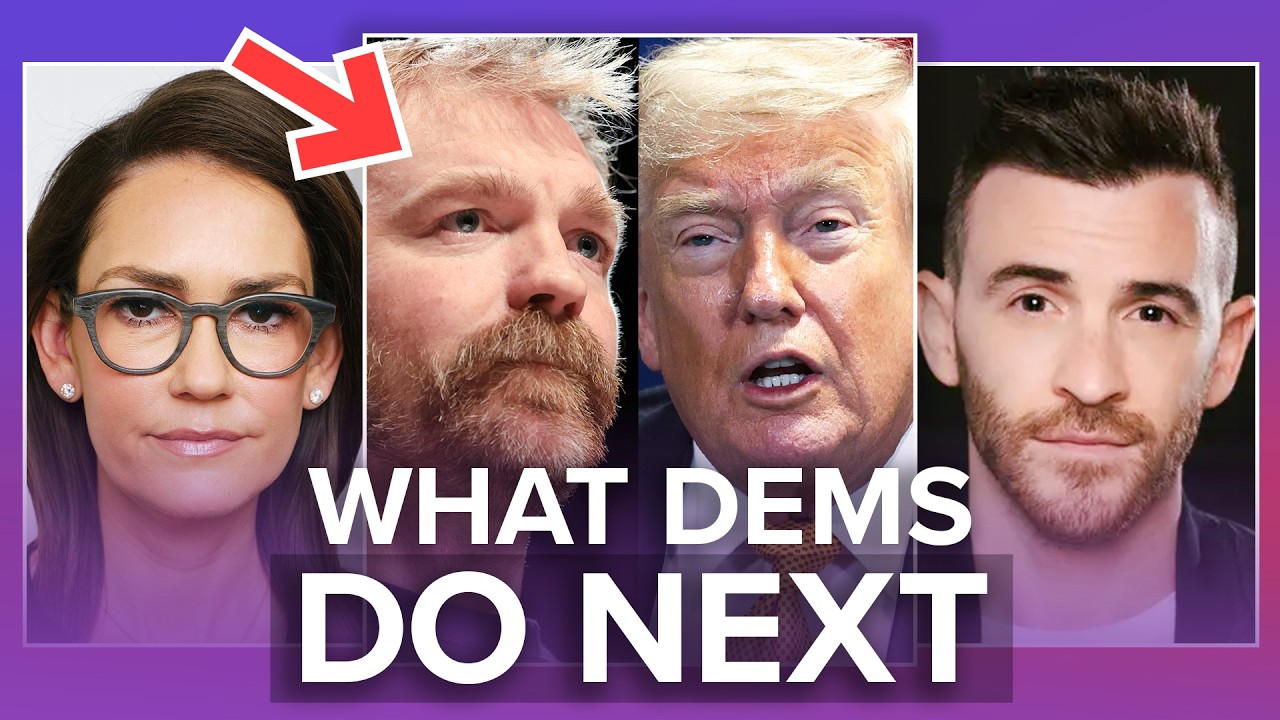
"If there is no deterrent effect for this criminality and corruption, it's only going to happen more. Trump 2.0 is a response to the Biden administration's inability, their unwillingness to actually hold these people to account. If we don't engage with some of this corruption, if we don't take this out, if we don't prosecute, investigate any of this stuff, it's only going to continue. The fact that it's happening right now is a direct response to our collective unwillingness to hold these people to account when we had the opportunity to do so."
About this episode
Progressive commentator Brian Tyler Cohen joined Jessica Tarlov to discuss Graham Plattner's exit from the Maine Senate race following a credible rape allegation, the escalating Iran conflict, and Democratic strategy for wielding power post-Trump. Cohen's new book, The Day After: How to Wield Power in a Post-Trump World, argues Democrats must abandon institutional deference and aggressively prosecute corruption. On Plattner, Cohen criticized the candidate's complete lack of empathy toward his accuser and argued the vetting failure exposed vulnerabilities in progressive candidate selection, though he rejected the idea that DSA-aligned candidates are inherently riskier than establishment picks. The episode extensively covered the Iran war, with Cohen predicting Iran will outlast Trump because the ayatollah faces no electoral pressure while Trump confronts midterms with an unpopular conflict. Cohen called the prolonged war a major embarrassment given America's military advantage and compared it to Putin's failed Kyiv invasion. On immigration, Tarlov and Cohen debated how Democrats should respond to high-profile crimes by undocumented immigrants, with Tarlov arguing the party must clearly support deporting violent criminals to neutralize Republican attacks while maintaining compassion for law-abiding immigrants. Cohen's central thesis is that Trump has shown institutions and norms are not sacrosanct, and Democrats must learn to wield power virtuously but aggressively to deliver outcomes rather than protect processes. He identified Trump's use of federal power for personal enrichment through foreign deals with UAE and Qatar as the worst institutional damage, and DOJ weaponization as underappreciated long-term damage. Cohen directly blamed Merrick Garland's unwillingness to prosecute for enabling Trump 2.0 and called for robust accountability to create deterrent effects.
Key takeaways
- Brian Tyler Cohen argues Trump's use of federal government to enrich himself through UAE and Qatar deals investing in World Liberty Financial and Trump businesses is the worst institutional damage of his presidency
- Cohen predicts Iran will outlast Trump in the war because the ayatollah faces no elections while Trump confronts midterms with an increasingly unpopular conflict and depleted Strategic Petroleum Reserve
- Graham Plattner's 11-minute video dropping out of Maine Senate race showed zero empathy for rape accuser and presented himself as victim of establishment, losing support even from his own campaign team
- Cohen identifies DOJ weaponization as underappreciated institutional damage with longer-term consequences than visible crises like Iran war, comparing it to irreversible media consolidation at CBS and CNN
- Cohen argues Democrats must aggressively prosecute Trump-era corruption rather than defer to institutions, directly blaming Merrick Garland's approach for enabling Trump 2.0 by giving Republicans a pass
- Tarlov argues Democrats must clearly support deporting violent undocumented immigrants to neutralize Republican attacks while defending law-abiding immigrants, citing cases like Sheridan Gorman and Representative Jayapal's dismissive response
- Cohen's book The Day After argues Democrats learned wrong lessons from Trump era and must wield power virtuously but ruthlessly to deliver outcomes on climate, healthcare, voting rights, and accountability