China Supplied Iran Missile Components and Russia Military Equipment for Wars
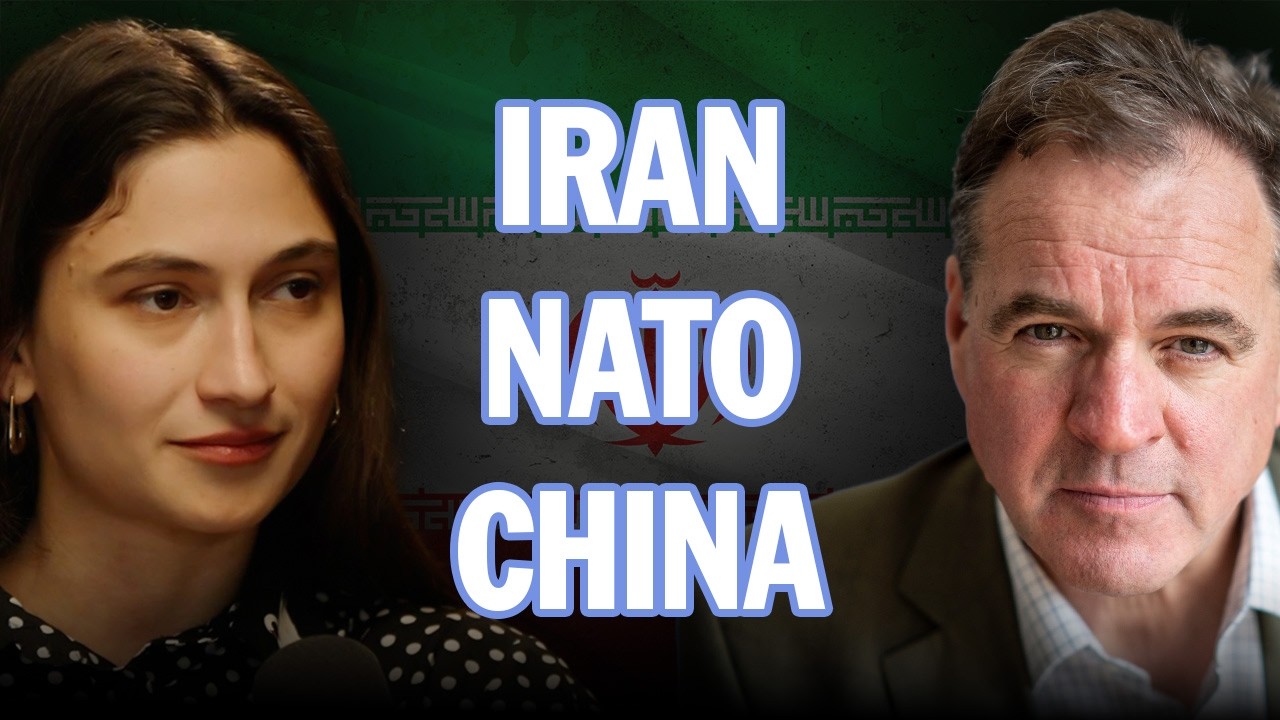
"The reason Iran has so many missiles still that it can fire is that the Chinese supplied all the components of those missiles. The reason Putin's war machine can grind on is that the Chinese provide a substantial amount of dual use and we now learn military equipment to the Russian army. So, China is in a sense the sponsor of both these conflicts on the side of the authoritarian powers."
About this episode
Historian and Green Mantle co-founder Neil Ferguson joins host Raphaela to analyze multiple global flashpoints facing the Trump administration, with particular focus on the Iranian ceasefire collapse, the grinding Ukraine war, and the looming Taiwan crisis. Ferguson reveals that Russian casualties in Ukraine have reached a staggering scale, with monthly losses now approaching the entire U.S. death toll from the Vietnam War, yet Putin continues the attrition campaign now in its fifth year. On Iran, Ferguson describes the situation following Trump's memorandum of understanding as a "Schrodinger ceasefire"—simultaneously existing and not existing—with control of the Strait of Hormuz remaining unresolved as both sides exchange fire while commercial shipping has increased two to three times pre-ceasefire levels. He characterizes Trump's approach as "New York real estate behavior" rather than traditional diplomacy, where the initial deal is just the opening move in extended negotiations. Most strikingly, Ferguson outlines a scenario where China could assert control over Taiwan without military invasion, simply by using coast guard vessels to claim sovereignty over the island's trade and thereby gain leverage over 90% of the world's advanced semiconductor production at TSMC. He reveals China has been directly supplying missile components to Iran and military equipment to Russia, effectively sponsoring both conflicts while the U.S. avoids confrontation due to its desire for a trade deal. Ferguson argues the Taiwan Strait is economically more critical than the Strait of Hormuz, as it represents the chokepoint for the semiconductors powering the entire AI boom, and predicts Trump will face this crisis before leaving office.
Key takeaways
- Russian monthly casualties in Ukraine now approach the total U.S. death toll from the entire Vietnam War despite minimal territorial gains, with the war now in its fifth year and lasting longer than World War I.
- China's most likely Taiwan strategy is asserting legal sovereignty over the island's commerce through coast guard enforcement rather than military invasion, potentially giving Beijing control over 90% of advanced semiconductor production without firing a shot.
- China has directly supplied missile components to Iran and dual-use plus military equipment to Russia, effectively sponsoring both conflicts against U.S. interests while the Trump administration avoids confrontation to secure a trade deal.
- The Iranian ceasefire exists in limbo with periodic exchanges of fire, while commercial shipping through the Strait of Hormuz has increased to two or three times pre-ceasefire levels, lowering oil prices and delivering Trump a domestic political win.
- Ferguson characterizes Trump's approach to Iran negotiations as New York real estate tactics rather than traditional diplomacy, with the memorandum of understanding serving as an opening bid in extended negotiations rather than a final settlement.
- Ukraine has developed deep strike drone capabilities hitting targets in Moscow, St. Petersburg, and beyond the Urals, attacking Russia's energy infrastructure and putting significant pressure on the Russian economy.
- The unveiling of Anthropic's Mythos supermodel capable of massive cyber attack represents a strategic advantage for the U.S. over China, which significantly lags behind in AI frontier capabilities despite leading in other areas.