Geopolitics
Trump Considering Iran Regime Change, May Deploy Kurdish Forces, Says Former Officer
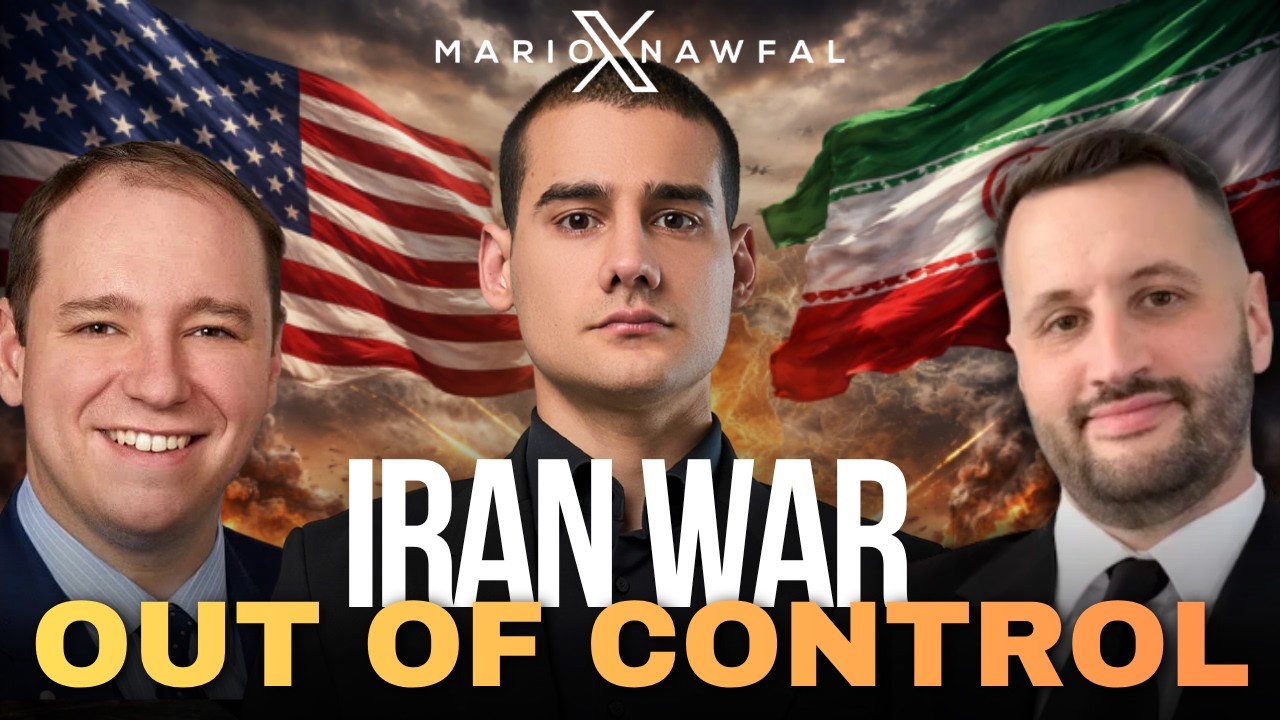

Mario Nawfal Interviews
BREAKING: IRAN BEGINS RETALIATING AFTER TRUMP DESTROYS BRIDGES & MORE - w/ Brandon & Stefano
What was said
"If Benjamin Netanyahu is able to convince Trump to say we've seen the failures of the negotiations, it's time to go back in hard, there is a distinct possibility that regime change is in the menu. If you're telling me if you want to do regime change in Iran, you're not going to achieve it with just an air campaign. You need a ground component. Either the Iranian people, if they decide to rise up somehow, or you have to use the Kurds."
A former US Army intelligence officer warned that Netanyahu's upcoming meeting with Trump may push for full regime change in Iran, which would require activating Kurdish proxy forces or supporting internal uprisings. The officer noted air campaigns against energy infrastructure cannot topple the regime alone, and that Trump's circle includes advocates for this maximalist approach despite risks of humanitarian crisis and civil war in Iran.
Verification status
Attributed speaker claim
Egleze verified who said this and where. The underlying claim has not been independently established by Egleze.
Source and context
Egleze verified who said this and where. The underlying claim has not been independently established by Egleze.
- Programme
- Mario Nawfal Interviews
- Episode
- BREAKING: IRAN BEGINS RETALIATING AFTER TRUMP DESTROYS BRIDGES & MORE - w/ Brandon & Stefano
- Clip time
- 1:03:37
- Original source
- Watch the source segment →
From this episode
Mario Nawfal Interviews