Geopolitics
Iran Playing Economic Waiting Game, Betting on US Oil Reserve Collapse Within Month
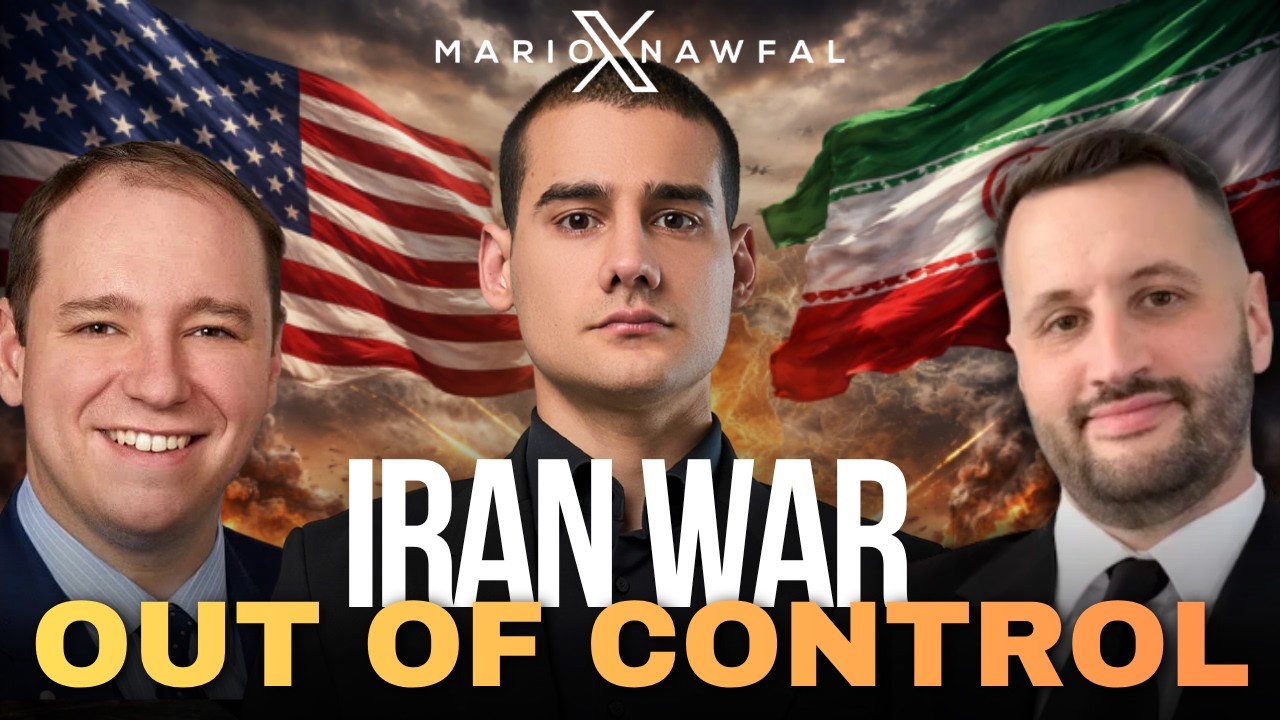

Mario Nawfal Interviews
BREAKING: IRAN BEGINS RETALIATING AFTER TRUMP DESTROYS BRIDGES & MORE - w/ Brandon & Stefano
What was said
"Time is an advantage for the Iranians in this war. It is not an advantage for the United States. We're the ones on a countdown to the depletion of our oil reserves. The Iranians don't have to really do much of escalating in the immediacy. They can wait. They just got to hold on basically for another 20, 30 days. That's it. That's when you set yourself up for defeat, when you start acting spasmodically."
Military analysts assess Iran is deliberately absorbing US strikes with minimal retaliation because Tehran believes American Strategic Petroleum Reserve depletion will force a US capitulation within weeks. Iran's restrained response—targeting only Kuwait and Bahrain rather than UAE or Saudi bases—reflects confidence that economic pressure, not military escalation, will determine the outcome. The strategy banks on Trump's erratic decision-making under domestic economic stress.
Verification status
Attributed speaker claim
Egleze verified who said this and where. The underlying claim has not been independently established by Egleze.
Source and context
Egleze verified who said this and where. The underlying claim has not been independently established by Egleze.
- Programme
- Mario Nawfal Interviews
- Episode
- BREAKING: IRAN BEGINS RETALIATING AFTER TRUMP DESTROYS BRIDGES & MORE - w/ Brandon & Stefano
- Clip time
- 7:02
- Original source
- Watch the source segment →
From this episode
Mario Nawfal Interviews