UFC Nutritionist Says Managers Are To Blame For Dangerous Fighter Weight Cuts
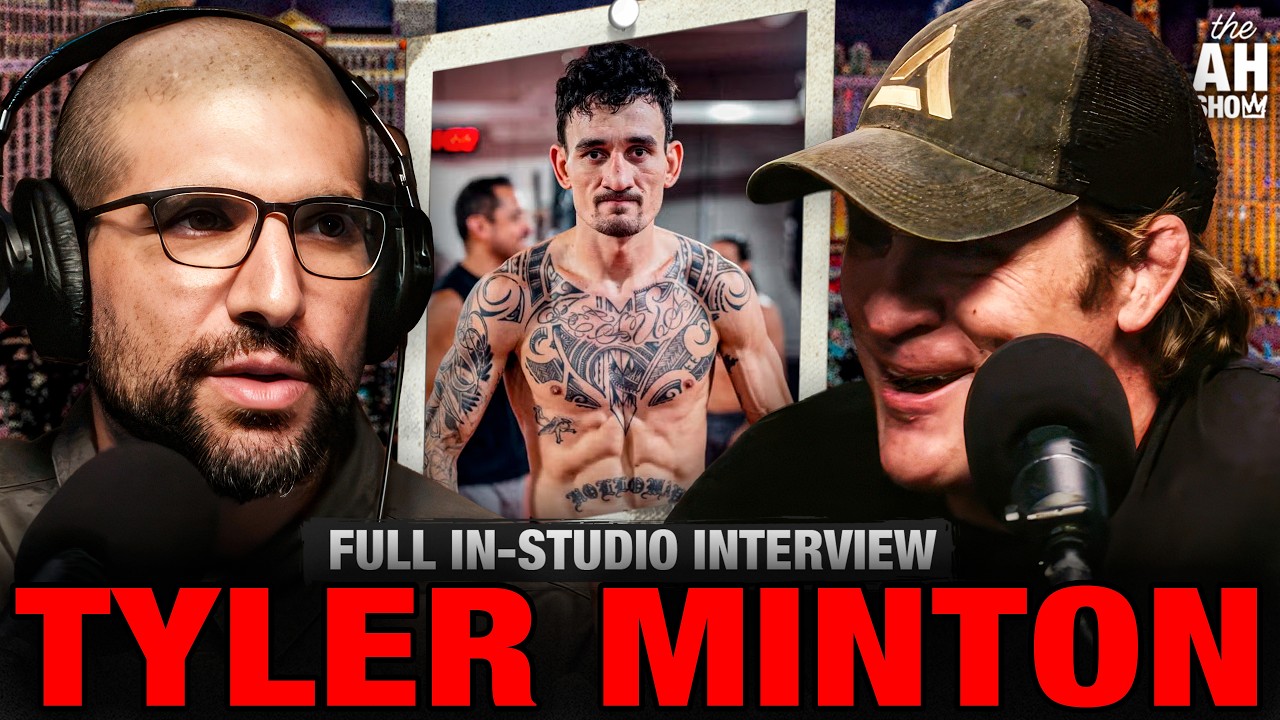
"I think managers are to blame for a whole lot of it. They put guys in position where it's like, hey, we need you to fight this time. It's like, well, a fighter is a fighter. They're going to say yes no matter what. And fighters aren't the most cognitive when it comes to their own health."
About this episode
Ariel Helwani speaks with Tyler Minton, a veteran UFC nutritionist and former MMA fighter, who has worked with elite fighters including Daniel Cormier, Khabib Nurmagomedov, and Max Holloway. Minton is in Las Vegas preparing Holloway for his welterweight bout against Conor McGregor at UFC 303. The conversation reveals that despite moving to 170 pounds, Holloway will still cut weight, though the reduced cut allows Minton to focus purely on performance rather than weight management for the first time in years. Minton, who now primarily works with Navy SEALs through VHP Charlie Mike in Virginia Beach, left regular UFC work six years ago after starting a family, saying he only works with fighters who provide more than a paycheck and treat him as family rather than an employee. He delivers pointed criticism of UFC managers for accepting fights without consulting nutritionists about safe weight-cutting timelines, arguing fighters always say yes and managers exploit this. Minton dismisses One Championship's hydration protocols as ineffective and insists the only real solution to dangerous weight cutting is adding more weight divisions, despite promoter resistance. He shares revealing stories from Daniel Cormier's weight cuts, including the infamous UFC 210 towel incident, describing extreme measures like team members manually pedaling Cormier's bike in the sauna. The episode also covers Minton's views on creatine supplementation, peptides, and GLP-1 drugs for weight management in both athletes and general population.
Key takeaways
- Tyler Minton directly blames UFC managers for dangerous weight cuts, saying they accept fights without consulting nutritionists about fighter safety or feasibility of making weight in given timeframes
- Max Holloway will still cut weight for his welterweight fight against Conor McGregor despite moving up from featherweight, though the reduced cut allows focus purely on performance
- Minton argues adding more UFC weight classes is the only real solution to dangerous weight cutting, dismissing One Championship's hydration testing as ineffective
- The veteran nutritionist left regular UFC work six years ago after having children and now primarily works with active and retired Navy SEALs in Virginia Beach
- Minton reveals Daniel Cormier's weight cuts required extreme measures including team members manually operating his exercise bike during sauna sessions to help him sweat
- Female fighters face additional weight-cutting challenges during menstruation, experiencing elevated body temperature and stress hormones that cause water retention and make heat exposure more dangerous
- Minton recommends five to ten grams of creatine monohydrate daily for brain health and cognitive protection, especially for fighters at risk of traumatic brain injury