Internal Iran Debate Intensifies Over Whether Negotiated Settlement With US Possible
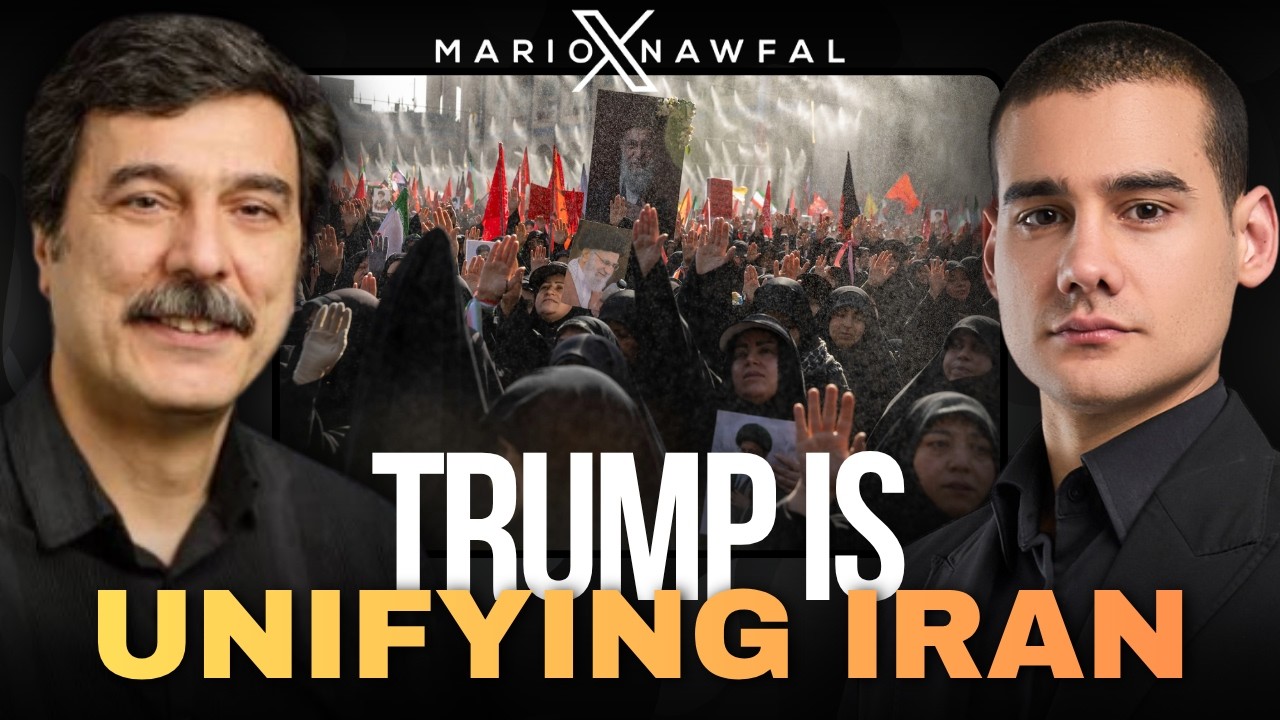
"There is a very strong kind of vociferous kind of objection to this plan to have a negotiated settlement with the US. Iranians have learned that the U.S. is not an honest broker in any kind of negotiation. The people, the faction who's against negotiating the settlement is saying that no, this situation will never end. Because the US at the end, for this to end, the US needs to recognize Iran's sovereignty. And the US is not going to do that."
About this episode
In this episode, the host interviews a political analyst specializing in Iran to discuss rapidly evolving developments in U.S.-Iran tensions following massive funeral processions for a slain Iranian leader. The analyst reveals that Iran holds an estimated half trillion dollars in investments in the United Arab Emirates, explaining why Tehran has avoided striking UAE bases while targeting facilities in Kuwait and Bahrain. The conversation centers on internal Iranian debates over whether to continue pursuing negotiated settlement with the U.S. or abandon diplomacy in favor of military escalation. Skeptics of the recent memorandum of understanding are gaining influence, arguing the U.S. used the agreement merely to buy time for military preparation rather than pursue genuine peace. The analyst describes how the unexpectedly massive funeral turnout contradicted U.S. assumptions that Iranians would welcome foreign intervention to overthrow their government, with subsequent American military escalation serving to shift media attention away from images of public support for Iranian leadership. The discussion explores Iran's strategic constraints, including the political costs of preemptive strikes versus reactive retaliation, the delicate balance of controlling the Strait of Hormuz without driving regional partners toward alternative trade routes, and improved relations with Gulf states that complicate horizontal warfare strategies. The analyst notes that Trump's rapidly changing statements make policy planning difficult for Tehran, while the U.S. deliberately maintains strategic uncertainty to discourage long-term investment in Iran even if sanctions are officially lifted. The episode concludes with preview of upcoming discussion about potential U.S.-Israel decoupling and Turkey's role, including possible F-35 sales that would anger Israel.
Key takeaways
- Iran holds approximately half a trillion dollars in investments within the UAE, severely constraining its ability to strike Emirati targets despite strategic considerations.
- Internal Iranian debate intensifying between factions favoring negotiated settlement with U.S. and those arguing America will never recognize Iranian sovereignty and must be defeated militarily.
- Massive funeral processions for slain Iranian leader contradicted U.S. assumptions about regime unpopularity, with analyst suggesting subsequent American escalation aimed to change media narrative.
- Iran's improved relations with Gulf states and recent rapprochement efforts complicate its ability to employ horizontal warfare strategies that were previously effective.
- Iranian officials skeptical that U.S. will provide stable investment environment even if sanctions lifted, citing deliberate American strategy of maintaining uncertainty to prevent long-term economic commitments.
- Iran consistently retaliates rather than initiates attacks due to lack of political capital to justify preemptive strikes in international forums like the UN.
- Analyst argues Iran faces narrow window to leverage Strait of Hormuz control before regional alternatives are built, creating pressure to maximize current strategic position.