← All stories
Geopolitics

Mass Funeral Procession for Iranian Leader Undermined US War Rationale Analyst Says
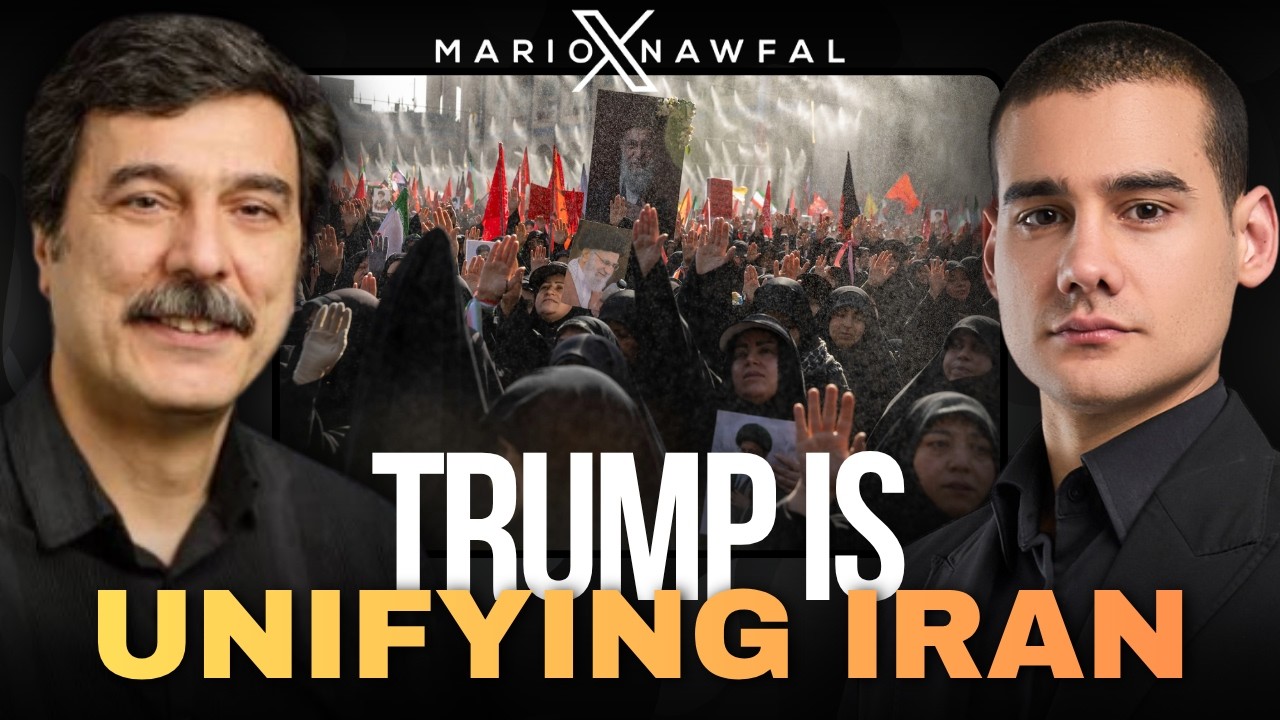

Mario Nawfal Interviews · TRUMP DECLARES MoU DEAD, IRANIANS RALLY AROUND THE FLAG - w/ Prof. Behrooz Ghamari-Tabrizi · July 8, 2026
Mass Funeral Procession for Iranian Leader Undermined US War Rationale Analyst Says
Mario Nawfal Interviews
TRUMP DECLARES MoU DEAD, IRANIANS RALLY AROUND THE FLAG - w/ Prof. Behrooz Ghamari-Tabrizi
"It was quite surprising that the mass media in the US gave very limited coverage of the funeral. And then little by little it was coming out how significant this was. And I think the escalation immediately changed the conversation altogether."
A political analyst argues that the massive turnout at funeral processions for Iran's slain leader contradicted core U.S. assumptions that Iranians would welcome American intervention to overthrow their government. The analyst suggests subsequent U.S. military escalation served to shift media focus away from images of mass public support for Iranian leadership, which undermined the narrative that the regime is unpopular and ripe for overthrow. The funeral was described as potentially the largest in world history and included major processions in Iraq.

About this episode

In this episode, the host interviews a political analyst specializing in Iran to discuss rapidly evolving developments in U.S.-Iran tensions following massive funeral processions for a slain Iranian leader. The analyst reveals that Iran holds an estimated half trillion dollars in investments in the United Arab Emirates, explaining why Tehran has avoided striking UAE bases while targeting facilities in Kuwait and Bahrain. The conversation centers on internal Iranian debates over whether to continue pursuing negotiated settlement with the U.S. or abandon diplomacy in favor of military escalation. Skeptics of the recent memorandum of understanding are gaining influence, arguing the U.S. used the agreement merely to buy time for military preparation rather than pursue genuine peace. The analyst describes how the unexpectedly massive funeral turnout contradicted U.S. assumptions that Iranians would welcome foreign intervention to overthrow their government, with subsequent American military escalation serving to shift media attention away from images of public support for Iranian leadership. The discussion explores Iran's strategic constraints, including the political costs of preemptive strikes versus reactive retaliation, the delicate balance of controlling the Strait of Hormuz without driving regional partners toward alternative trade routes, and improved relations with Gulf states that complicate horizontal warfare strategies. The analyst notes that Trump's rapidly changing statements make policy planning difficult for Tehran, while the U.S. deliberately maintains strategic uncertainty to discourage long-term investment in Iran even if sanctions are officially lifted. The episode concludes with preview of upcoming discussion about potential U.S.-Israel decoupling and Turkey's role, including possible F-35 sales that would anger Israel.

Key takeaways

More stories More from Mario Nawfal Interviews