Shapiro accuses negotiators of either naivety or deliberately misleading Trump on Iran
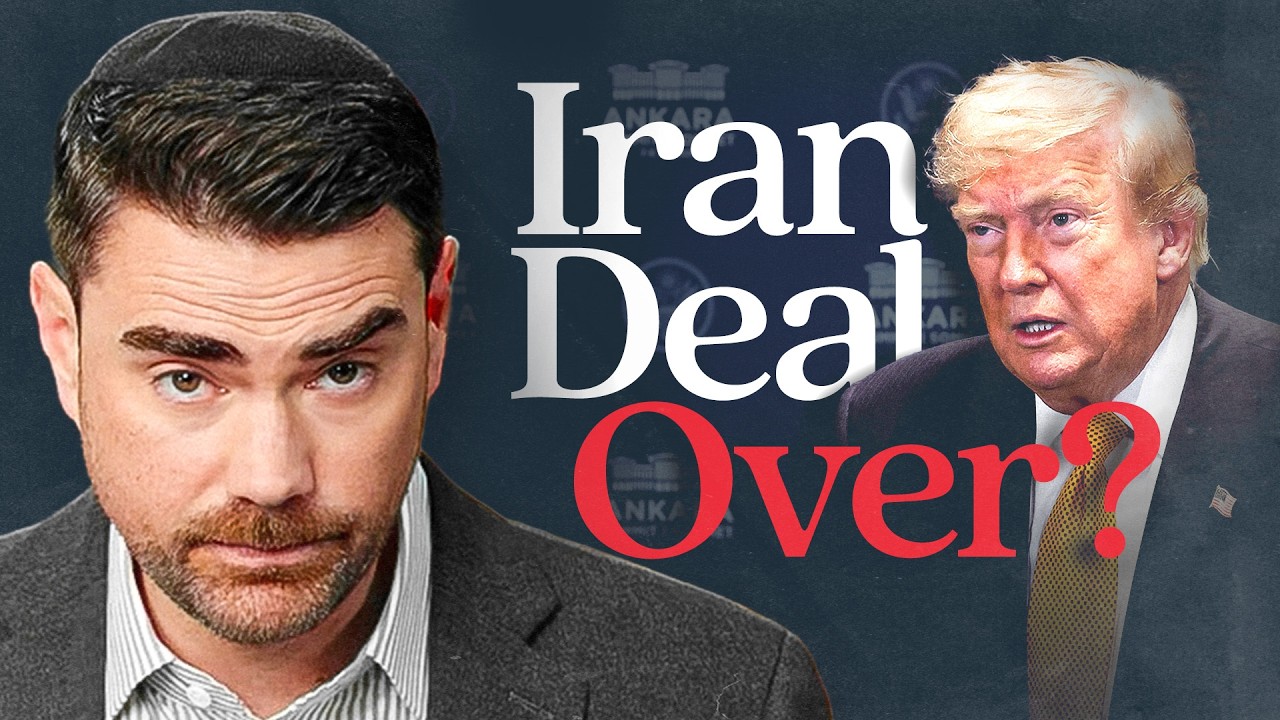
"Either J.D. Vance is really, really naive and he thought that the Iranians were good, solid people, and the Pakistanis— he loves the Pakistanis, he loves Pakistan. Doesn't matter that Pakistan and Iran are hand in glove. Or, or all these negotiators basically knew that the Iranians were never going to agree that the Strait of Hormuz was open, and they were fibbing to the president to try to get President Trump to buy into letting the Iranians off the hook."
About this episode
Ben Shapiro delivers a comprehensive critique of the collapsed Iran-US Memorandum of Understanding, arguing that fundamental cultural and religious misunderstandings doomed the diplomatic effort from its inception. Following Iranian attacks on commercial vessels in the Strait of Hormuz and subsequent US strikes on 80 Iranian sites, President Trump declared the MOU effectively dead. Shapiro contends that Western negotiators, including Vice President J.D. Vance, Steve Witkoff, and Jared Kushner, either naively misunderstood Iranian intentions or deliberately misled Trump about Iran's willingness to cede control of the strait. Drawing on academic research about Western versus non-Western thinking patterns, Shapiro argues that the Islamic Republic of Iran operates under fundamentally different worldview assumptions than Western nations, prioritizing religious conquest and perception of strength over economic prosperity and mutual benefit. He asserts that Iran's theocratic system, centered on preparing the world for the return of the 12th Imam, makes Western-style incentive-based diplomacy ineffective, and that the only successful agreements with Islamic regimes in Middle Eastern history have come after total military defeat that eliminates hope for victory. Shapiro criticizes Saudi Arabia for blocking US military operations from American bases on Saudi soil while receiving US defense protection, calling them a worse ally than Israel. He proposes several aggressive options including forcibly opening the Strait of Hormuz, destroying Iranian oil and gas infrastructure, or allowing allies to take military action, while warning that returning to negotiations would demonstrate fatal weakness and ensure Iranian interference in upcoming US elections.
Key takeaways
- President Trump declared the Iran-US Memorandum of Understanding dead after Iran attacked commercial vessels and the US struck 80 Iranian sites in retaliation.
- Ben Shapiro accuses Vice President J.D. Vance and other negotiators of either naive misunderstanding or deliberately misleading Trump about Iranian agreement to open the Strait of Hormuz.
- Shapiro argues that Western and Iranian worldviews are fundamentally incompatible, making traditional Western diplomatic incentives ineffective with Islamic theocratic regimes.
- The Islamic Republic operates under religious imperatives to prepare for the 12th Imam's return and establish Islamic global dominance, not Western concepts of mutual prosperity.
- Iran never agreed to cede control of the Strait of Hormuz because maintaining that chokehold is essential to their regional relevance and perception of strength.
- Shapiro criticizes Saudi Arabia as a worse ally than Israel for blocking US operations from American bases that would have benefited Saudi interests.
- The only successful agreements with Islamic regimes in Middle Eastern history have followed total military defeats that crushed hope for victory, according to Shapiro.