Young Men Ages 15 to 25 Increasingly Susceptible to Anti-Israel Radicalization
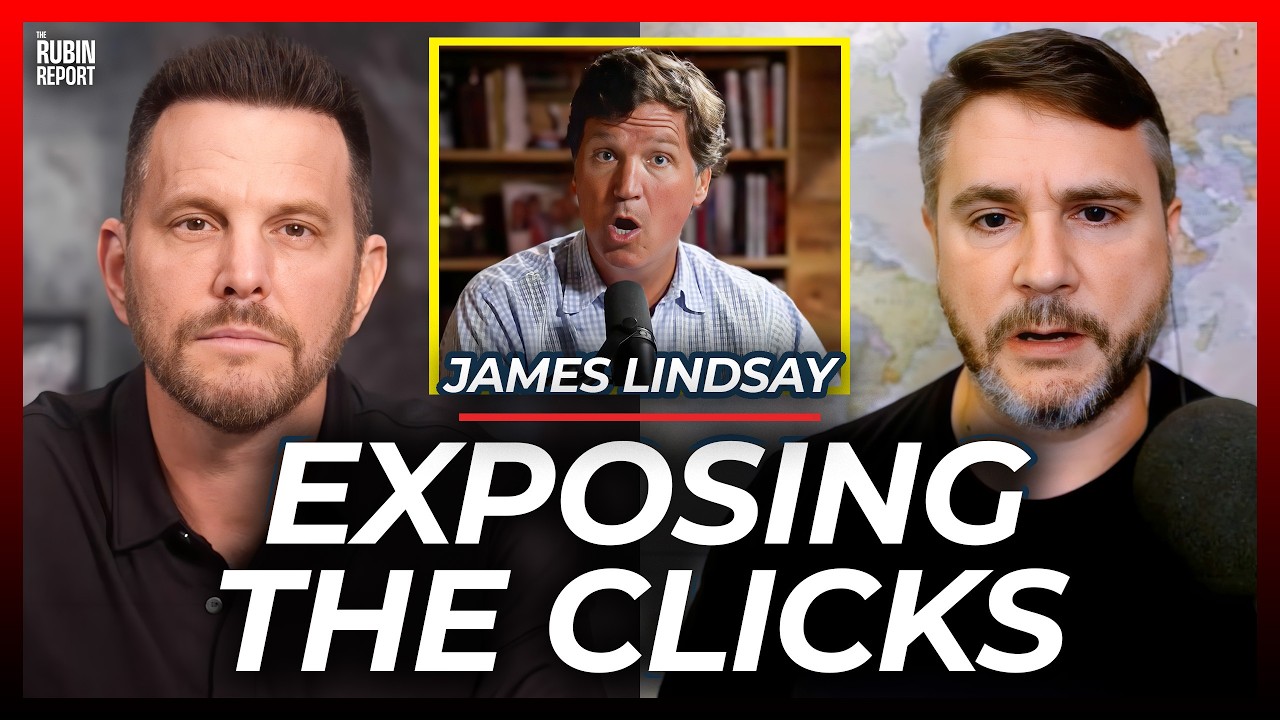
"I'm having moms call me. I'm really worried about my son. He's like saying Hitler got unfairly treated by history. What do I do? And I'm like, your son is trans. That's what you're dealing. It's the exact same thing in mirror image. And this seems to be very effective at reaching kind of dislocated is the right word. Like they're dislocated by COVID, by BLM, by being raised in schools that told them they're the problem. You have all these pissed-off young men 15 to 25 who are searching for something. And this Israel is the scapegoat. Israel is the wedge set of narratives is working very well with them."
About this episode
In this politically charged conversation, the hosts discuss the growing influence of anti-Semitic and anti-Israel narratives across the political spectrum, with particular focus on how these movements are being monetized and spread. A key revelation centers on the audience demographics driving anti-Semitic podcast content: the guest claims that recent Muslim immigrants to Europe and Canada, rather than domestic American audiences, represent the primary monetizable viewership, creating economic incentives that make traditional counter-strategies ineffective. The discussion explores how young men aged 15-25, dislocated by COVID, BLM, and progressive education messaging, are becoming increasingly susceptible to these narratives, with the guest reporting direct contact from concerned mothers. The conversation contrasts the reception of these ideas on the left versus the right, noting that while the Democratic party has been largely captured by anti-Israel sentiment—evidenced by Kamala Harris allegedly passing over Josh Shapiro as VP due to his Jewish identity—the conservative movement has shown more institutional resistance. The guest describes how evangelical Christians recognized the threat early and mobilized, and how Tucker Carlson's interview with Nick Fuentes served as a watershed moment that galvanized mainstream conservative institutions to take the issue seriously. The speakers discuss tactical approaches to countering these narratives, including using AI tools like Grok to help people discover factual information about U.S.-Israel relations themselves rather than being told directly. Throughout, the conversation emphasizes the fundamental difference between how the left and right have responded to ideological capture, with the right showing more institutional willingness to resist compared to the left's experience a decade ago.
Key takeaways
- Anti-Semitic podcast content is primarily monetized by recent Muslim immigrant audiences in Europe and Canada rather than domestic American viewers.
- Young men aged 15 to 25 are increasingly adopting anti-Israel and pro-Hitler views, with mothers calling the guest seeking help for radicalized sons.
- Kamala Harris allegedly did not choose Josh Shapiro as VP because he is Jewish, indicating the extent of anti-Israel sentiment in Democratic leadership.
- Evangelical Christians recognized anti-Israel narratives as attacks on their values early and mobilized institutional resistance within conservative circles.
- Tucker Carlson's interview with Nick Fuentes served as a turning point that alerted mainstream conservative institutions to the threat of anti-Semitic infiltration.
- Using AI tools like Grok to help people discover facts about U.S.-Israel relations themselves proves more effective than direct confrontation of anti-Semitic narratives.
- Conservative normies remain largely unmoved by anti-Israel messaging and view figures like Tucker Carlson as having 'gone weird' on the issue.