← All stories
Politics

Ex-Spy Warns America Faces Full Generation of Confusion and Potential Decline
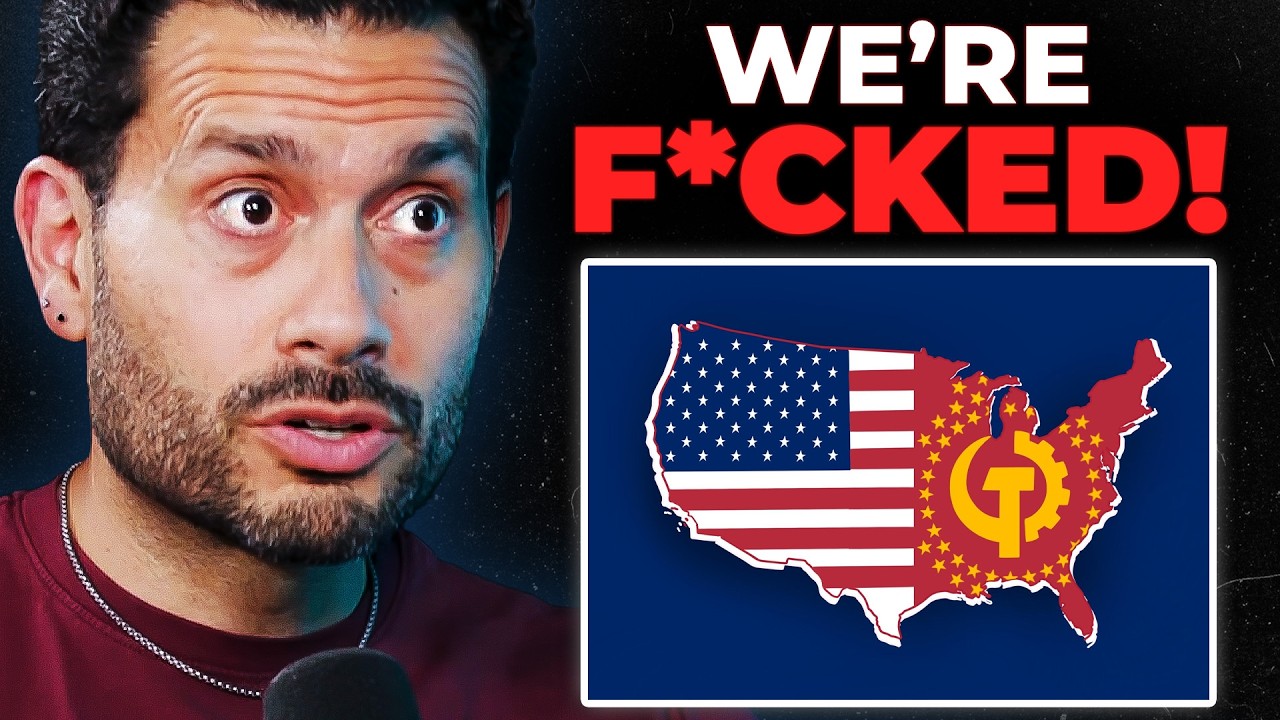
Everyday Spy · America Isn't Ready for What's About to Happen in November · July 7, 2026
Ex-Spy Warns America Faces Full Generation of Confusion and Potential Decline

Everyday Spy
Everyday Spy
America Isn't Ready for What's About to Happen in November
"I would love to have an optimistic idea of the future of the United States. I just don't have it. I think the United States is going to go through a full generation of confusion and disarray, and it will— a solution will either present itself that I can't imagine right now, or no solution will present itself, and we will, we will decline as our competitors continue to grow."
Bustamante offers a stark long-term forecast for America, predicting a full generation of national confusion and possible decline relative to global competitors. He argues Americans have become too complacent and ideologically entrenched to make necessary changes, leaving any reform to younger progressive generations who lack real-world experience, perpetuating the left-right conflict cycle.

About this episode

Former CIA officer Andrew Bustamante joins host Tom Bilyeu for a stark assessment of America's political and economic future, predicting decades of decline absent major reforms most citizens seem unwilling to make. Bustamante forecasts a Democratic midterm victory he calls a "blue slap" driven not by progressive conviction but by voters seeking to constrain what he characterizes as an incompetent president pursuing personal legacy over national interest. More dramatically, he predicts America faces a full generation of confusion and disarray, arguing that citizens have become too complacent and ideologically entrenched to pursue necessary changes, leaving reform to inexperienced younger progressives who will only perpetuate left-right conflict cycles. The conversation identifies economic dysfunction as the root cause of American populism, with both speakers noting that economic uncertainty historically produces strongman leaders across the political spectrum, from Hitler to Mao to Stalin. Bustamante argues only economically literate candidates willing to endure painful Margaret Thatcher-style reforms can reverse course, but doubts Americans will elect such leaders or accept necessary sacrifices. In a revealing moment of internal conflict, Bustamante discloses he is seriously considering abandoning his commitment to educating all Americans in favor of focusing exclusively on the top twenty percent capable of understanding complex issues like inflation, effectively rejecting democratic principles despite his background in public service. The discussion ranges from the erosion of democratic institutions and checks and balances to the impact of political gerrymandering, attack ads, and the concentration of wealth among those now diversifying assets outside America. Throughout, both speakers express pessimism that grassroots movements or electoral participation can reverse trajectories already in motion.

Key takeaways

More stories More from Everyday Spy