Health, Longevity & Biohacking
MSG Functions Like Ketamine by Flooding Brain With Glutamate to Enhance Taste
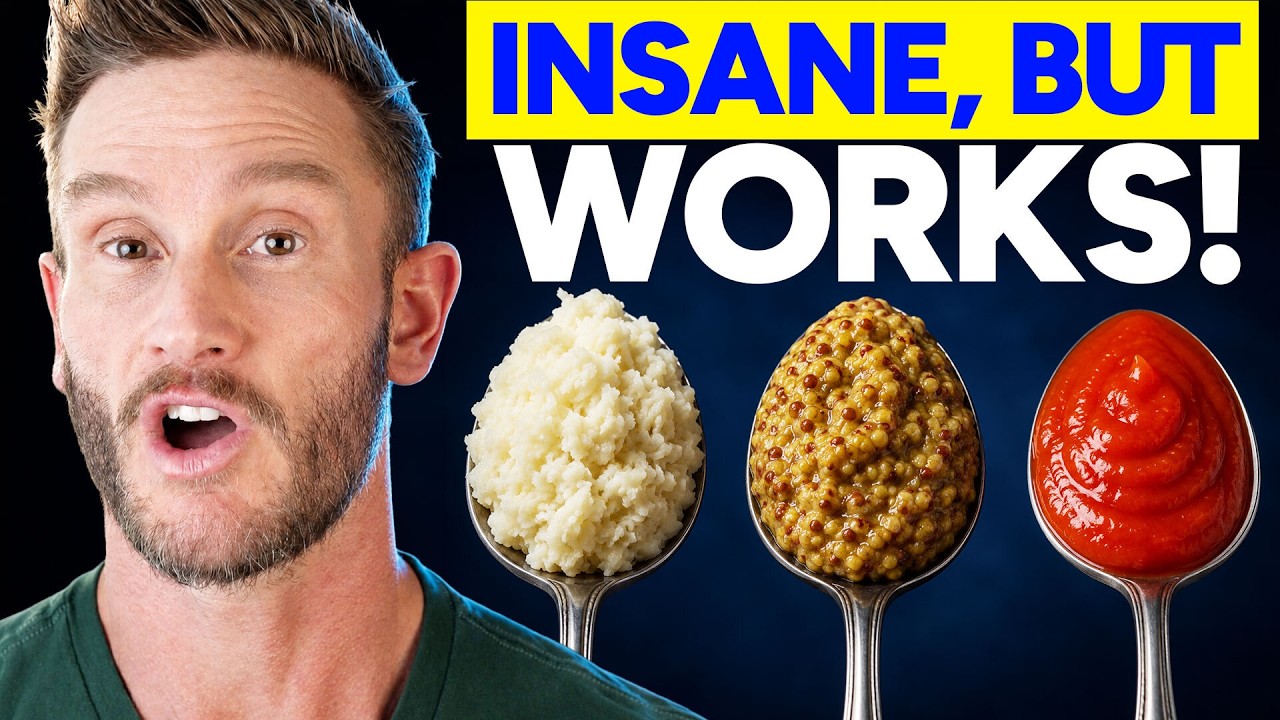

Thomas DeLauer
These Condiments Shrink Fat Cells, Stop Insulin Resistance and Kill Hunger (full tier list)
What was said
"MSG is lighting up your brain with glutamate, which is the same kind of thing that something like ketamine does. Okay, you're lighting up your brain. You're putting a surge of glutamate. And in this case, it's obviously not going to the extreme like it is with ketamine, but similar mechanism, a flood of glutamate to make your brain feel good and almost disassociate from whatever you're eating."
The speaker compares MSG's neurological effect to ketamine, stating both flood the brain with glutamate to create pleasurable sensations. He argues MSG causes the brain to 'disassociate' from food while eating, borrowing tomorrow's reward for today's meal. Despite acknowledging lack of randomized controlled trials proving harm, he cites mechanistic and rodent studies showing concerning brain activity patterns.
Verification status
Attributed speaker claim
Egleze verified who said this and where. The underlying claim has not been independently established by Egleze.
Source and context
Egleze verified who said this and where. The underlying claim has not been independently established by Egleze.
- Programme
- Thomas DeLauer
- Episode
- These Condiments Shrink Fat Cells, Stop Insulin Resistance and Kill Hunger (full tier list)
- Clip time
- 13:15
- Original source
- Watch the source segment →
From this episode
Thomas DeLauer