← All stories
History

Hamilton called Burr American Catiline and accused him of plotting usurpation
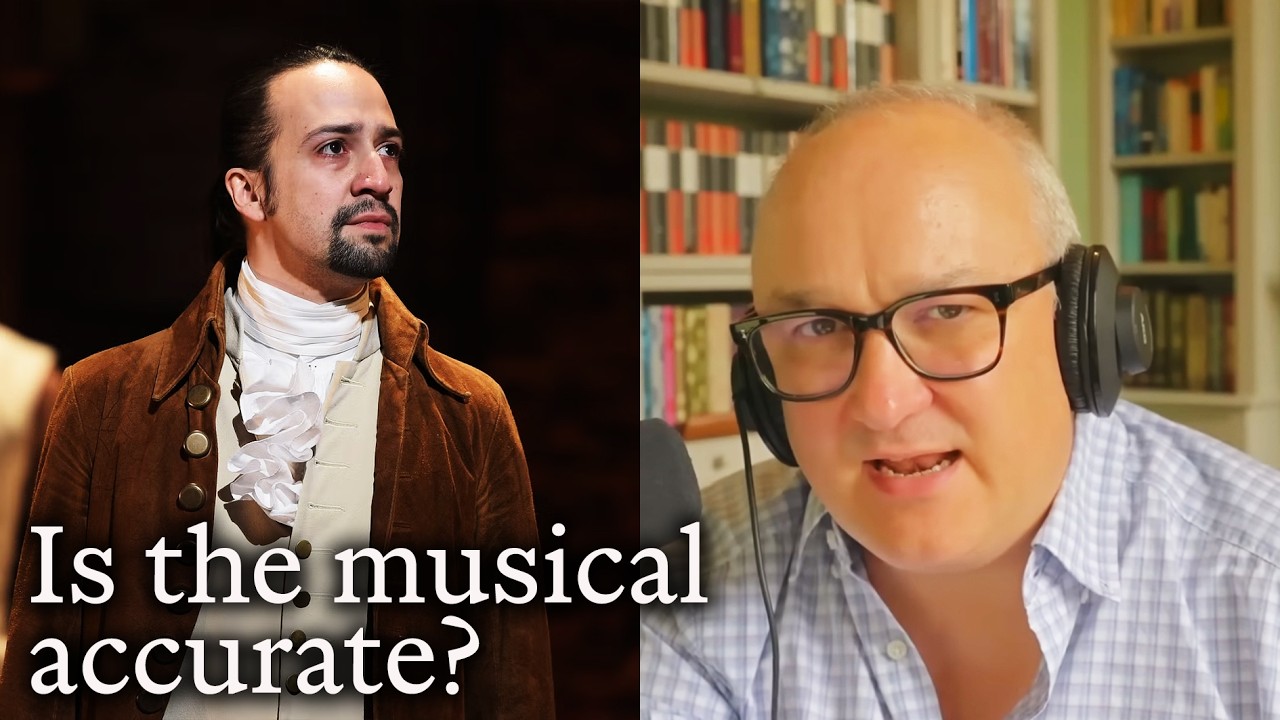
The Rest Is History · How America's Founders Turned On Each Other | Founding Fathers EP 3 · July 6, 2026
Hamilton called Burr American Catiline and accused him of plotting usurpation
The Rest Is History
The Rest Is History
How America's Founders Turned On Each Other | Founding Fathers EP 3
"No mortal can tell what his political principles are. He's talked all around the compass. The truth seems to be that he has no plan but that of getting power by any means and keeping it by all means. He will court and employ able and daring scoundrels of every party, and by availing himself of their assistance and of all the bad passions of society, he will in all likelihood attempt a usurpation."
In January 1801, Alexander Hamilton wrote a scathing letter comparing Aaron Burr to the Roman conspirator Catiline and warning that Burr would attempt to usurp power through any means necessary. Hamilton's prediction proved prescient when Burr later became involved in an apparent conspiracy to create his own country on the US southern border and was tried for treason. Hamilton's fierce opposition to Burr in the 1800 election, calling him a profligate bankrupt with no fixed principles, directly led to the animosity that resulted in their fatal duel.

About this episode

Hosts Tom Holland and Dominic Sandbrook examine the famous 1804 duel between Alexander Hamilton and Aaron Burr that resulted in Hamilton's death and stands as the most dramatic moment in early American politics. The episode explores how Hamilton, despite being opposed to dueling on religious and moral grounds, accepted Burr's challenge after refusing to apologize for calling him despicable. Hamilton had previously lost his son Philip in a duel three years earlier under similar circumstances, yet made the extraordinary decision to use possibly the same pistols and definitely the same doctor for his own duel. The hosts present competing historical interpretations of what happened during the duel itself, with Hamilton's allies claiming he deliberately fired wide and was then shot by Burr, while Burr's supporters argued Hamilton fired first and missed. A confession Burr allegedly made to philosopher Jeremy Bentham years later suggests Burr planned to kill Hamilton. The episode provides context for the personal and political rivalry between the two men, rooted in Hamilton's Federalist vision of strong central government versus Burr's opportunistic approach to politics. Hamilton's death left his family in massive debt despite his role in creating America's financial system, while Burr's political career ended and he later faced treason charges for an apparent plot to create his own country in the American South. The duel's renewed prominence through Lin-Manuel Miranda's musical Hamilton demonstrates how this 220-year-old event continues to shape American cultural memory.

Key takeaways

More stories More from The Rest Is History