← All stories
Money

Michael Saylor Sells Bitcoin for First Time in Four Years Amid Market Stress
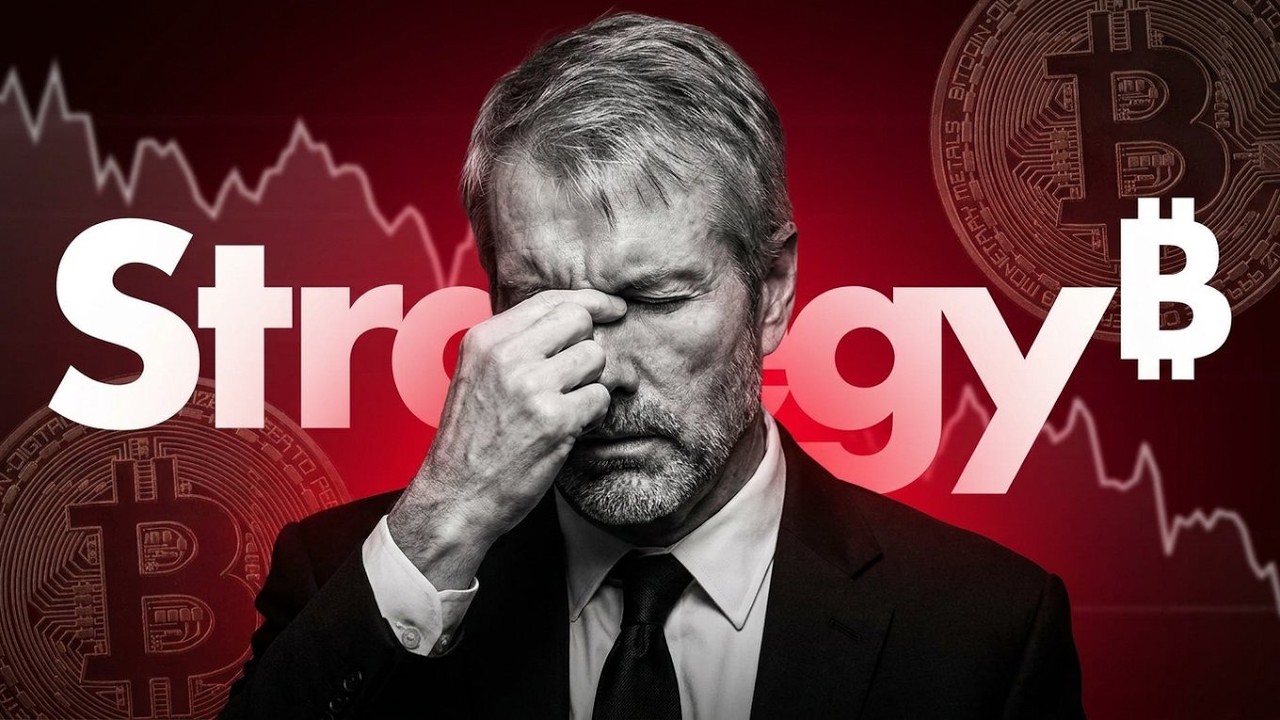
Lark Davis · Michael Saylor Is Finished... Or Is He? · July 5, 2026
Michael Saylor Sells Bitcoin for First Time in Four Years Amid Market Stress
Lark Davis
Lark Davis
Michael Saylor Is Finished... Or Is He?
"For the first time in four years, Sailor sold Bitcoin. Yeah, it was only 32 coins, but he sold probably largely to satisfy the SEC, but it still happened."
MicroStrategy has sold Bitcoin for the first time since 2021, marking a significant departure from CEO Michael Saylor's infinite buying strategy. The company authorized up to $1.25 billion in Bitcoin sales to fund dividend obligations that exploded from $300 million to $1.2 billion in six months. Despite holding 847,000 coins worth approximately $60 billion, this represents a break in the core narrative that built MSTR's market premium.

About this episode

This episode analyzes Michael Saylor's MicroStrategy amid unprecedented market stress as MSTR stock hits a 2-year low and the company sells Bitcoin for the first time in four years. The host examines why critics, led by perennial Bitcoin skeptic Peter Schiff, are declaring Saylor finished, while arguing the math tells a different story. MicroStrategy holds 847,000 Bitcoin worth approximately $60 billion but faces mounting pressure as its preferred dividend stock STRC crashed to $71 against a promised $100 value, and dividend obligations exploded from $300 million to $1.2 billion in just six months. The company authorized up to $1.25 billion in Bitcoin sales and paused its signature infinite buying strategy. However, the host presents Saylor's claim that the business can survive with just 3% annual Bitcoin appreciation, far below Bitcoin's projected 30% compound annual growth rate. The episode contextualizes this crisis against Saylor's 2000 experience when MicroStrategy stock dropped 99.8% in the dotcom crash, arguing that a man who survived that level of destruction isn't broken by crypto volatility. The analysis suggests this represents maximum pessimism about a fundamentally durable business structure, comparing the moment to early contrarian opportunities in Amazon and Apple. The host frames the authorized Bitcoin sales as representing only 2% of holdings, characterizing it as treasury management rather than liquidation, and notes the company simultaneously authorized $1 billion in buyback programs, signaling confidence in long-term value despite short-term narrative damage.

Key takeaways

More stories More from Lark Davis