Russian Forces Capture Konstantinovka, Gateway to Remaining Ukrainian-Held Donbass Territory
"Konstantinovka, once a city of 80,000 people, has now, according to Gerasimov, the Russian Defense Ministry, and the commanders on the ground, been captured by the Russian armed forces. Putin was also shown a video showing Russian troops in many parts of Konstantinovka raising Russian flags and victory flags which are of course based on the Soviet victory flag."
About this episode
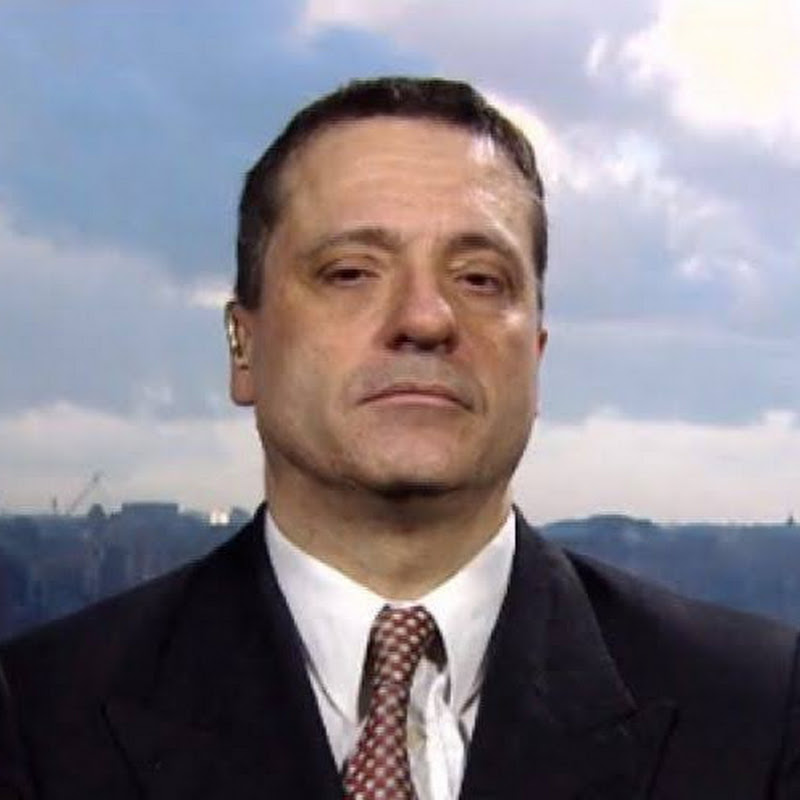
In a July 4, 2026 episode marking America's 250th anniversary, host Alexander Mercouris delivers a stark assessment of the Ukraine conflict's trajectory, centering on Russia's capture of Konstantinovka, the largest Ukrainian city to fall since Mariupol in 2022. Putin met with General Gerasimov and military commanders to confirm the capture, with video showing Russian flags raised throughout the strategic industrial city of 80,000. Mercouris argues the fall of Konstantinovka, which Western media has largely ignored, signals the imminent collapse of Ukraine's fortified defensive line in Donbass, with remaining cities Sloviansk and Kramatorsk expected to fall rapidly. Putin characterized territory in Sumy and Kharkiv regions as historically Russian, suggesting permanent annexation regardless of peace negotiations. Mercouris contends recent large-scale Ukrainian drone strikes, including a 400-drone attack, have been largely unsuccessful due to improved Russian air defenses, undermining Western narratives of Ukrainian momentum. The episode's most striking revelation concerns European rearmament: citing a Transnational Foundation study, Mercouris reports that despite the largest defense spending increases since 1945, not a single major European research institute has studied the economic tradeoffs between military and civilian spending. He characterizes this as deliberate suppression of critical analysis. Mercouris claims Western governments implemented 2022 Russia sanctions without consulting economic experts or even the Federal Reserve, attributing policy failures to insulated decision-making by a small elite resistant to contrary views. He warns that Europe is repeating this pattern with massive defense spending commitments made at the NATO Ankara summit without economic impact assessment. The host argues Western policy is controlled by an intense minority imposing their obsessions on European populations, calling for citizens to demand accountability and genuine debate about rearmament costs, peace negotiations, and whether military buildup provokes rather than deters Russia.
Key takeaways
- Russia has captured Konstantinovka, the largest Ukrainian city to fall since Mariupol in 2022, signaling imminent collapse of remaining Donbass defenses according to military briefings Putin received from General Gerasimov.
- Putin publicly characterized Sumy and Kharkiv regions as historically Russian territory, suggesting Russia will never withdraw from captured northeastern Ukrainian areas regardless of peace negotiations.
- Not a single major European research institute has studied the economic impact of unprecedented defense spending increases despite the largest rearmament wave since 1945, according to Transnational Foundation analysis.
- Recent large-scale Ukrainian drone offensives including 400-drone strikes appear largely unsuccessful as improved Russian air defenses intercept attacks on industrial targets and major cities.
- Western governments implemented 2022 Russia sanctions without consulting economic experts with practical Russian experience or even the Federal Reserve on central bank asset freezes, according to the host's investigation.
- An opinion poll shows 66 percent of Ukrainians want immediate peace negotiations, though their willingness to accept territorial concessions remains unclear as Zelensky maintains his demand for Russian capitulation.
- European decision-making on Ukraine and defense policy is controlled by a small group resistant to alternative views, systematically excluding expert analysis and suppressing debate about economic consequences and strategic alternatives.