Ukraine Intelligence Operative Says Russia Lost Over 1.2 Million Troops Since 2022 Invasion
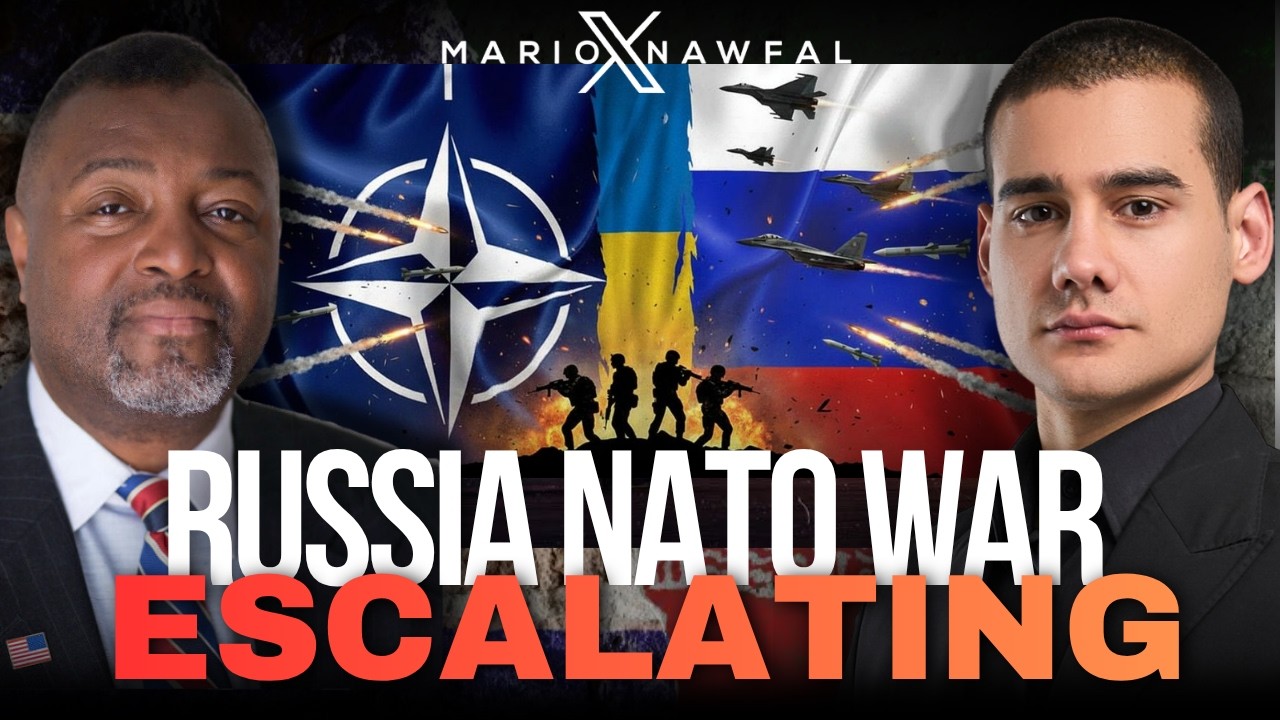
"The Russians have taken or lost, or casualties, dead or casualties, over 1.2 million men. And people say, oh, you can't believe the Ukrainian statistics. We count them. I've counted dead Russian in my sector. They don't take the bodies."
About this episode
Host Mario interviews Malcolm Nance, a former U.S. intelligence officer who served as a Ukrainian Army Legionnaire and operative with Ukrainian military intelligence (GUR), following reports that the United States warned Poland of potential Russian armed provocations. According to The Telegraph and Polish outlet Onet, U.S. intelligence indicated Russia may be preparing limited strikes, cyber attacks, or even cross-border incursions from Kaliningrad or Belarus to test NATO resolve and potentially pressure the West to reduce support for Ukraine. Polish Prime Minister Donald Tusk issued a public statement warning that coming months may be critical due to the changing nature of warfare. Nance offers a dramatically different assessment than prevailing concerns about Russian capability, claiming Russia's military has been effectively destroyed in Ukraine with over 1.2 million casualties and more than 4,000 armored vehicles lost—exceeding what Russia possessed at the war's start. He asserts Poland alone could defeat remaining Russian forces and advance to Moscow, dismissing fears of Russian provocations as propaganda designed to test whether President Trump would withdraw U.S. support for NATO. Nance describes current battlefield conditions dominated by drone warfare in a 40-kilometer killing zone where Russian forces suffer catastrophic attrition, with Ukrainian drone operators achieving 90 percent lethality in open terrain. He reveals Ukrainian forces were issued NATO chemical protection equipment during the 2022 Kharkiv counteroffensive due to serious tactical nuclear weapon concerns, and states any Russian nuclear use would trigger immediate NATO intervention. The discussion covers Russian body exchange practices, territorial gains through infantry assaults across devastated terrain, and Nance's firsthand combat experience during major Ukrainian counteroffensives. He characterizes Ukraine's strategy as deliberately drawing Russian forces into attritional battles at cities like Severodonetsk and Bakhmut, causing over 100,000 Russian casualties. Nance maintains Ukraine controls critical supply lines through long-range drone strikes and possesses air superiority capabilities with AMRAAM missiles that could eliminate Russian air power.
Key takeaways
- Malcolm Nance claims Russia has suffered over 1.2 million casualties and lost more armored vehicles than it possessed at the 2022 invasion start, with reserve stocks now depleted to 1950s-era equipment.
- Nance asserts Poland alone possesses military capability to defeat remaining Russian forces and advance to Moscow, dismissing U.S. warnings about Russian provocations as attempts to test Trump's NATO commitment.
- U.S. intelligence warned Poland that Russia may conduct limited strikes, cyber attacks, or cross-border incursions from Kaliningrad or Belarus disguised as accidents to pressure NATO into reducing Ukraine support.
- Ukrainian forces were issued NATO gas masks and chemical protection gear during the 2022 Kharkiv counteroffensive due to serious concerns about Russian tactical nuclear or chemical weapons use.
- Nance states any Russian tactical nuclear weapon use would trigger immediate full NATO military intervention with U.S. 82nd Airborne deploying from Poland within one day.
- Current battlefield dominated by drone warfare in 40-kilometer zone where Ukrainian operators achieve 90 percent kill rates against Russian forces attempting advances on foot after vehicle assaults became unsustainable.
- Russia refuses to retrieve battlefield casualties to continue collecting military paychecks for deceased soldiers, while Ukraine maintains Geneva Convention treatment of prisoners and seeks return of honored dead through International Red Cross protocols.