← All stories
Geopolitics

Every US Rare Earth Refiner Remains Dependent on Chinese Equipment and Chemicals
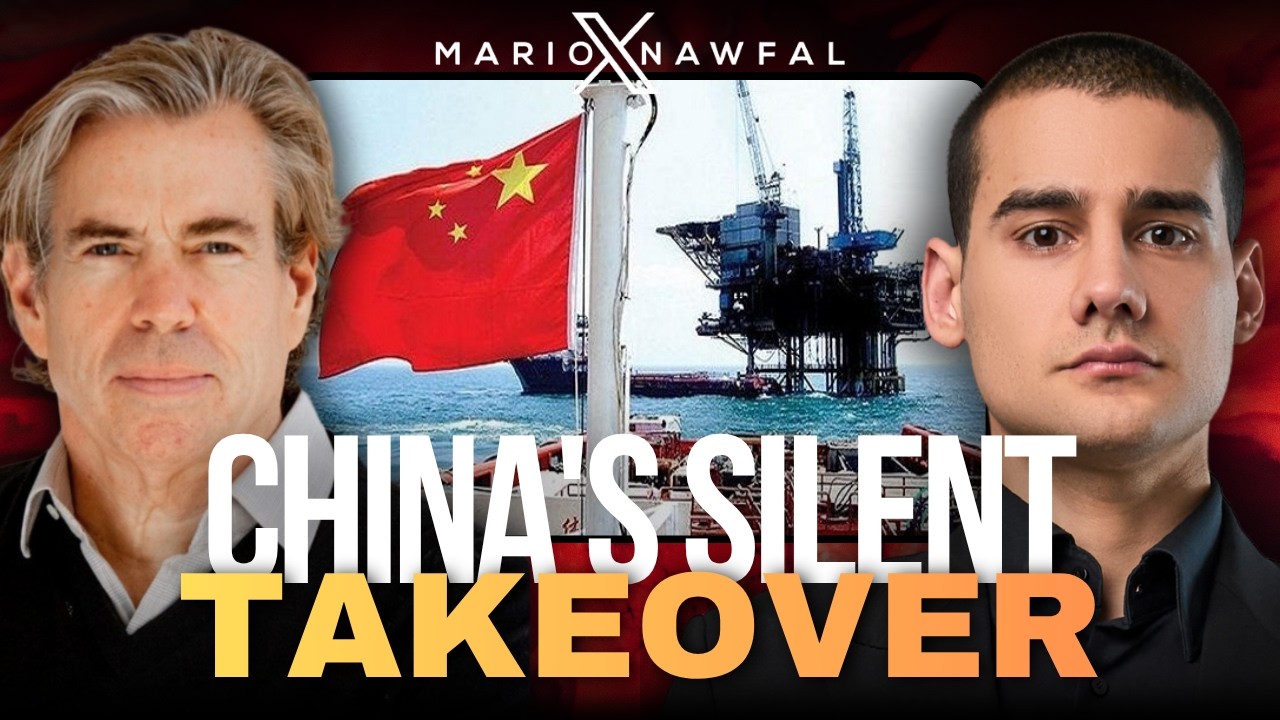
Mario Nawfal Interviews · CHINA NOW CONTROLS "ALL THE WORLD'S MOLECULES" - w/ Jeffrey Currie · July 3, 2026
Every US Rare Earth Refiner Remains Dependent on Chinese Equipment and Chemicals

Mario Nawfal Interviews
CHINA NOW CONTROLS "ALL THE WORLD'S MOLECULES" - w/ Jeffrey Currie
"Every single rare earth refiner that the US is supporting right now um so obviously the US is losing the refining um of the rare earth to China. The whole world's losing it to China. They control the refining, but also the countries that are trying or the companies trying to replace Chinese refining are using Chinese equipment and chemicals."
A rare earth company executive revealed to the speaker that they are the first U.S. company to use no Chinese chemicals or equipment in rare earth processing. This disclosure exposes that all other U.S.-backed rare earth refiners attempting to reduce dependence on China are still completely reliant on Chinese-made equipment and chemicals. The revelation underscores the depth of China's control over critical mineral supply chains despite U.S. efforts at reshoring.

About this episode

In a detailed discussion on global energy markets and geopolitical supply chains, an energy analyst warns that China has established unprecedented control over the world's most critical physical resources. The conversation reveals that China now dominates three essential supply chains simultaneously: rare earth minerals processing, global oil refining capacity (including the ability to throttle 20 million barrels per day), and potential control of semiconductor production through Taiwan. The speaker argues that Russia and China are blatantly resupplying Iran with defense goods, further extending Chinese influence over global oil flows through the Strait of Hormuz. A striking revelation emerges that every U.S. rare earth refining company, except one, remains dependent on Chinese equipment and chemicals despite efforts to build domestic capacity. The analyst explains China's long-term strategy of controlling global processing capacity across steel, aluminum, copper smelting, and critical minerals, noting that Western countries allowed this dominance because they didn't want toxic refining operations in their own territories. The discussion turns to market complacency, with the analyst expressing surprise that oil prices remain low and markets appear unconcerned despite these supply chain vulnerabilities. The speakers debate whether the recent Iran conflict is truly over, with one arguing there's a 65-70% chance of resolution in the near term, while acknowledging that the cost-benefit analysis for continued U.S. involvement may be changing given the existential nature of these supply chain issues. The conversation concludes with puzzlement over Chinese oil purchasing behavior, noting that despite low prices, China has not returned to normal spot market buying, with laden ships sitting off Chinese coasts but no clear indication of stockpiling activity.

Key takeaways

More stories More from Mario Nawfal Interviews