Guardian Removed Osama bin Laden Letter After 2024 TikTok Controversy Sparked Government Pressure
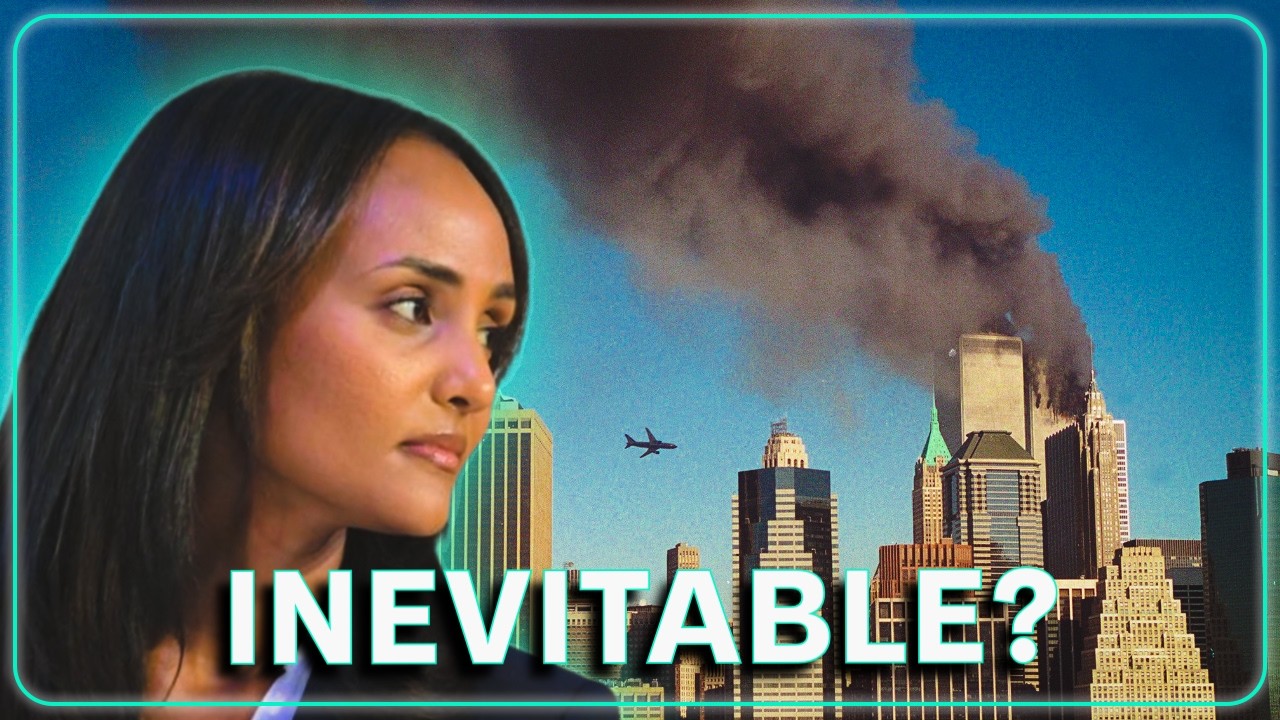
"In response to demands from the government and and and and lots of other power factions, the Guardian removed the letter from its website, making it very difficult to find that letter. All the links that have been posted on Tik Tok, all of the references to it now became dead."
About this episode
The host delivers an extended analysis of Democratic Socialist candidate Milat Curas's upset primary victory over 30-year incumbent Congresswoman Diana DeGette in Colorado, focusing on the controversy surrounding Curas's statements that 9/11 was causally connected to U.S. foreign policy in the Middle East. The episode centers on persistent taboos around discussing the root causes of anti-American sentiment and terrorism, even 25 years after 9/11. The host reveals that after 9/11, the U.S. government directly ordered all major broadcast networks to never air Osama bin Laden footage or interviews, ostensibly to prevent coded messages to sleeper cells, but actually to prevent Americans from hearing bin Laden's foreign policy critiques about U.S. support for Israel, military bases in Saudi Arabia, and Iraqi sanctions. More recently in 2024, when young TikTok users discovered and shared bin Laden's post-9/11 letter explaining these grievances, the Guardian deleted the letter from its website under government pressure, and TikTok disabled related hashtags and blocked discussion. The host argues this censorship prevents Americans from understanding the costs and consequences of interventionist foreign policy. The episode also details how billionaire Bill Ackman organized a corporate blacklist after October 7th against anyone who signed letters critical of Israel, leading to Curas being fired from law firm Sidley Austin for refusing to remove her signature, which motivated her successful congressional run. The host distinguishes between causal explanations and moral justifications, arguing that recognizing U.S. foreign policy as a cause of anti-American terrorism does not justify the attacks but is essential for understanding blowback. He criticizes both parties for maintaining repressive discourse around these topics and frames the Gaza genocide as a proxy issue for broader dissatisfaction with incumbent politicians, lobbying money, and a political establishment disconnected from younger voters.
Key takeaways
- U.S. government ordered all major networks after 9/11 to never air Osama bin Laden footage to prevent Americans hearing his foreign policy grievances.
- The Guardian deleted bin Laden's post-9/11 letter from its website in 2024 after government pressure when young TikTok users widely shared it.
- TikTok disabled hashtags and blocked discussion of the bin Laden letter in 2024 to ward off the eventual TikTok ban related to Israel.
- Billionaire Bill Ackman organized coordinated blacklist across law firms, Wall Street, and Silicon Valley against critics of Israel after October 7th.
- Democratic Socialist Milat Curas defeated 30-year incumbent Diana DeGette in Colorado primary after being fired for refusing to remove signature from pro-Palestinian letter.
- Host argues discourse around 9/11 remains repressive 25 years later with taboos preventing discussion of U.S. foreign policy as causal factor.
- Host distinguishes between causal explanations of terrorism versus moral justifications, arguing understanding blowback does not mean endorsing attacks.