← All stories
History

Jefferson Ordered Naval Attack After Tripoli Chopped Down American Flag at Consulate
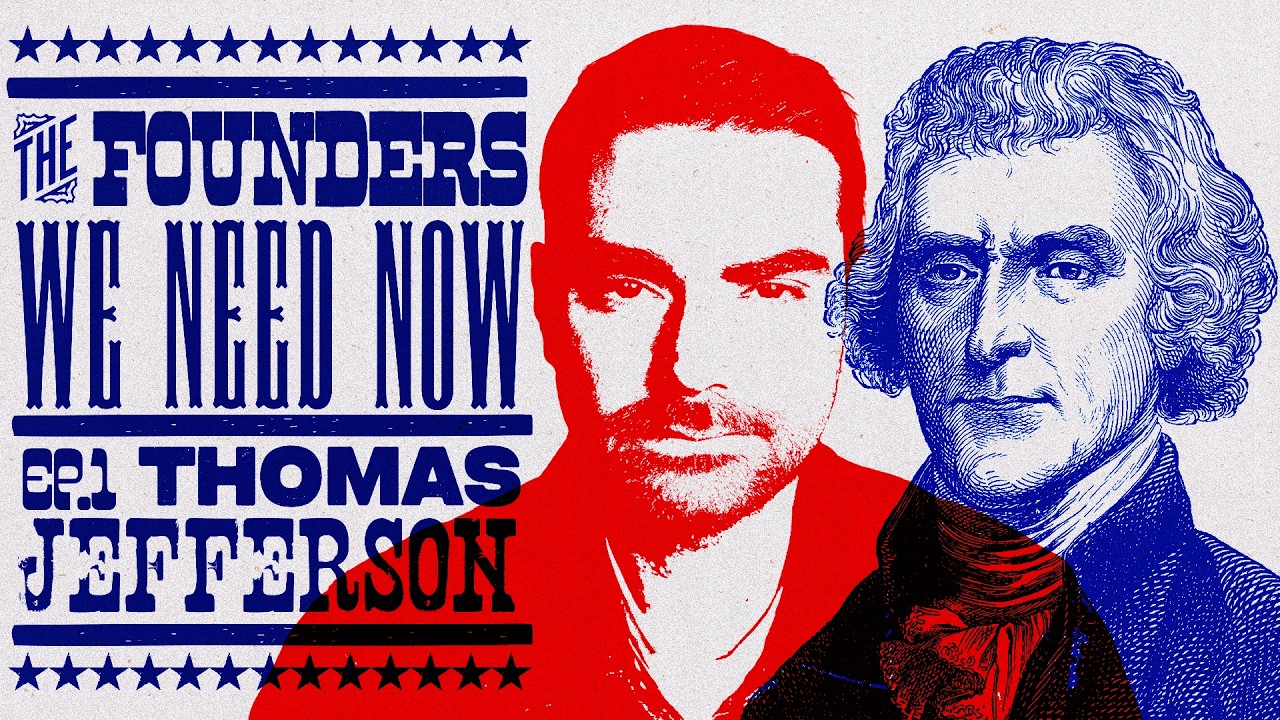
Ben Shapiro Show · Ep 1. THE DIPLOMAT: THOMAS JEFFERSON · July 3, 2026
Jefferson Ordered Naval Attack After Tripoli Chopped Down American Flag at Consulate
Ben Shapiro Show
Ben Shapiro Show
Ep 1. THE DIPLOMAT: THOMAS JEFFERSON
"In May 1801, just a few weeks into Jefferson's administration, the ruler of Tripoli decided to test him. After Jefferson refused a tribute payment, the Pashai had the American flag outside of the US consulate chopped down. Before a single shot was fired, the message was clear. Pay us or we will hurt you. Jefferson sent the fleet to the Mediterranean the next day."
The speaker describes the immediate trigger for the Barbary Wars: when Tripoli's ruler cut down the American flag at the U.S. consulate after Jefferson refused tribute payments. Jefferson, despite his longstanding opposition to standing navies and military spending, dispatched warships within 24 hours. The speaker uses this as evidence that even the most diplomatically-minded founder recognized when diplomacy had failed and force was necessary.

About this episode

In this monologue, the speaker presents Thomas Jefferson as the founding father most relevant to contemporary American foreign policy debates, arguing that Jefferson's experience with the Barbary Pirates offers critical lessons for dealing with modern adversaries like Iran, China, and Russia. The speaker emphasizes that Jefferson, despite being the founder most suspicious of centralized power, standing armies, and foreign entanglements, ultimately concluded that paying tribute to hostile powers was more dangerous than confronting them militarily. The episode details how early America paid roughly 20 percent of its federal budget to North African states as protection money under Washington and Adams, a policy Jefferson campaigned against and ended as president. When Tripoli's ruler cut down the American flag at the U.S. consulate in 1801 after Jefferson refused tribute, Jefferson dispatched the Navy the next day, initiating America's first sustained overseas military campaign. The speaker draws explicit parallels between Barbary tribute and modern policies of sanctions relief, cash payments to Iran, and accommodation of aggressive regimes. Jefferson's insight, according to the speaker, was that the credible threat of force is ultimately cheaper and more humane than perpetual tribute, because bribes are never paid only once and every payment creates incentive for more aggression. The episode challenges the false choice between policing the world entirely or retreating from it completely, arguing Jefferson understood that strength and restraint are complementary rather than contradictory. The speaker concludes by contrasting Jefferson's willingness to act boldly from weakness with modern America's hesitation to act from overwhelming strength, suggesting Jefferson would be appalled that the most powerful nation in history still reaches for the checkbook when facing aggression.

Key takeaways

More stories More from Ben Shapiro Show