Antioxidant Supplements Block Natural Cellular Defense Systems by Neutralizing Essential Signals
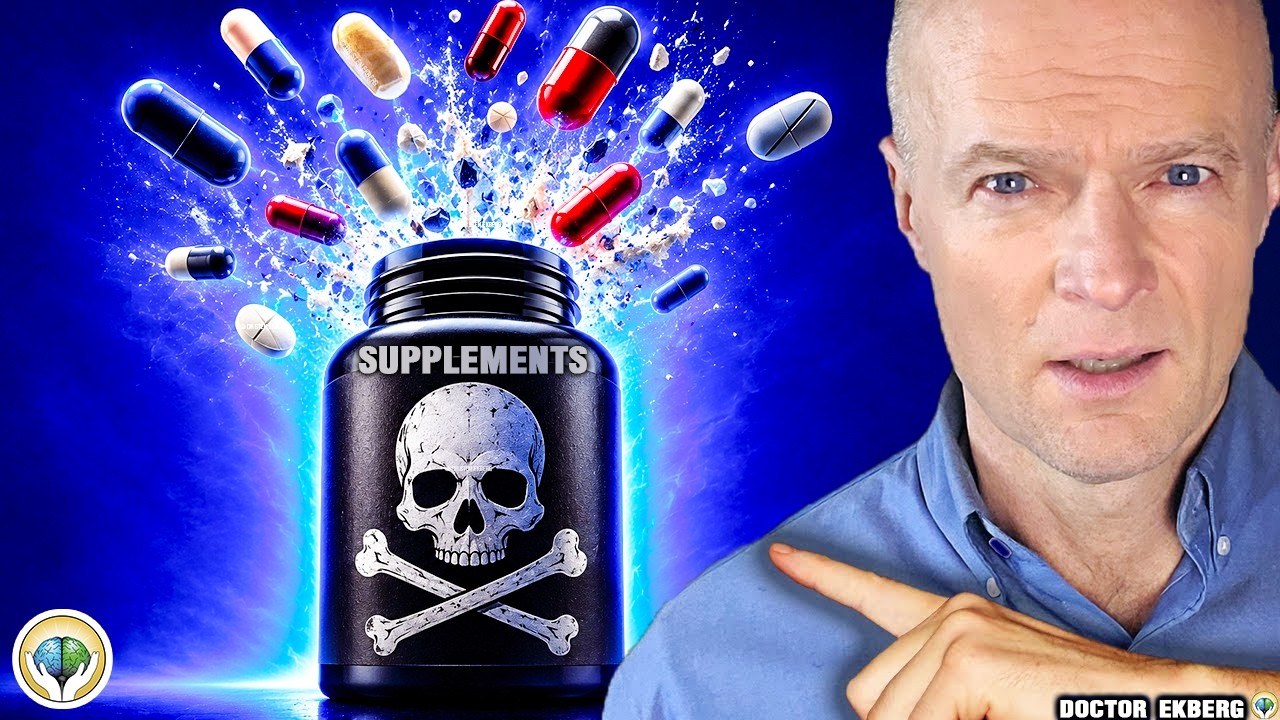
"Free radicals are generated in the body on purpose by design and they are signals. They're part of the system. We produce free radicals as part of normal operations. When we make energy, we produce free radicals. That's just part of the design. And exercise, fasting, basic metabolism, those are all things that use up energy that generate free radicals. And in generating these free radicals, they communicate to cells. These are signals and they tell these cells to activate their defenses to make more energy and to get stronger. Now, if we flood the body with external antioxidants in a pill, now we neutralize these free radicals. we remove the signal before the signals had a chance to do what it was intended to do."
About this episode
A health educator reveals that the $30+ billion antioxidant supplement industry is built on a scientific premise that was quietly abandoned by the FDA over a decade ago, and that these widely consumed supplements may actually be shortening lives rather than protecting health. The speaker explains that for over 30 years, supplements have been marketed based on ORAC (Oxygen Radical Absorbance Capacity) measurements, which the FDA removed from all databases in 2012 after research failed to establish any health benefits. Multiple large-scale studies involving hundreds of thousands of participants found that common antioxidant supplements like beta carotene and vitamin E not only failed to prevent disease but actually increased cancer rates by up to 28% and raised overall mortality. Some trials were stopped early due to clear evidence of harm. The fundamental flaw in the antioxidant theory is that it misunderstood why fruits and vegetables provide health benefits. The real benefit comes from feeding the microbiome with complex fibers and polyphenols, not from antioxidants. The body already produces its own powerful antioxidant defense system through enzymes like catalase, which can neutralize six million free radicals per minute, compared to supplement antioxidants that work on a one-to-one basis. More importantly, free radicals are intentionally generated by the body during exercise and metabolism as signaling molecules that activate cellular defenses through the NRF2 switch. When external antioxidants neutralize these free radicals, they block the signals that trigger the body's natural defense systems. The speaker notes that most vitamin E supplements contain only alpha tocopherol, which actively displaces the equally important gamma tocopherol, creating an imbalance. The only exception recommended is R-alpha lipoic acid, which works differently by regenerating the body's natural antioxidants rather than interfering with signaling pathways. The episode concludes that consumers should focus on whole foods, exercise, and fasting to activate natural defense systems rather than relying on isolated synthetic supplements marketed on debunked science.
Key takeaways
- FDA removed all ORAC antioxidant measurements from databases in 2012 after finding no meaningful health relationship, but supplement industry continues using this debunked metric
- Beta carotene supplementation increased cancer rates by 28% in studies that were stopped early, while vitamin E increased prostate cancer by 17% in 35,000 men
- Massive review of 68 studies involving 230,000 people concluded beta carotene, vitamin A, and vitamin E supplements actually increased mortality rates
- Body produces catalase enzyme that neutralizes six million free radicals per minute, millions of times more effective than one-to-one supplement antioxidants
- External antioxidants block natural cellular signaling by neutralizing free radicals that are intentionally produced to activate NRF2 defense switch during exercise and metabolism
- Most vitamin E supplements contain only alpha tocopherol which displaces gamma tocopherol, creating deficiency in this equally important form of vitamin E
- Real health benefits of fruits and vegetables come from feeding the microbiome with complex fibers and polyphenols, not from antioxidant content