Farage's claimed arson attack investigated by police as possible burglary not terrorism
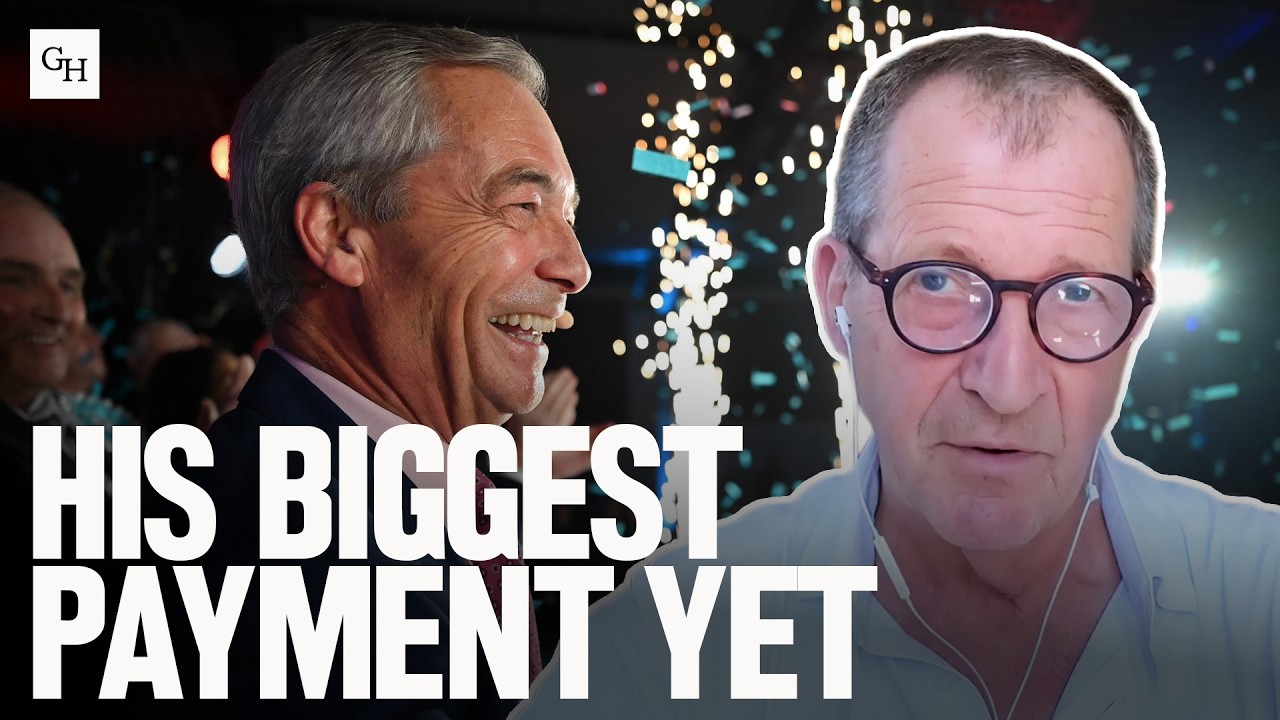
"The week that the story was reported, you will probably remember, Alastair, what happened was The Guardian went to him for a right of reply, gave him 2 days to come back to them, and in that period he went to The Telegraph with a sob story about how one of his homes had been firebombed, there'd been an arson attack. And what we've actually since reported at The Observer is that the police investigated it as a possible burglary, not as an arson attack."
About this episode
Alastair Campbell and investigative reporter Kat Nealon examine the explosive financial controversies engulfing Nigel Farage and Reform UK, following Nealon's four-part investigation into the party's funding. The discussion centers on Farage's £5 million undeclared gift from Thai-based crypto billionaire Christopher Harborne and his latest declaration of £270,000 from bullion dealer Direct Bullion for just 12 hours of work, making him the highest-paid outside earner in Parliament. Parliamentary standards experts believe Farage has broken the code of conduct and that the size of the violation could trigger a suspension lengthy enough to force a by-election in Clacton. However, Nealon's reporting from Clacton reveals a striking disconnect: most constituents remain unaware of the scandal despite national coverage, and even those who express outrage say it wouldn't change their vote. The episode explores Farage's increasingly brittle media performances, his mischaracterization of a police-investigated burglary as an arson attack to justify security spending, and internal Reform tensions including a two-month silence between Zia Yousaf and Robert Jenrick after the latter's defection. Nealon discusses emerging threats to Reform from Rupert Lowe's Restore party and evidence that Reform's poll numbers may be plateauing or declining. The conversation examines why Labour remains reluctant to weaponize Brexit's failures against Farage, the performative nature of political security theater, and speculation that Farage may seek an exit before facing the ultimate test of leading a government. Campbell and Nealon argue that the mounting evidence of financial self-enrichment contradicts Farage's man-of-the-people branding, though changing public perception requires sustained focus on these issues rather than Brexit recriminations.
Key takeaways
- Nigel Farage declared £270,000 for 12 hours work from a gold bullion dealer, bringing his total payments from that company to £685,000 since the last election
- Parliamentary standards experts believe Farage's £5 million undeclared gift from Christopher Harborne could result in a suspension lengthy enough to trigger a Clacton by-election
- Most Clacton constituents remain unaware of the £5 million scandal and those who know about it say it wouldn't change their vote despite expressing outrage
- Farage mischaracterized a police-investigated burglary at his home as an arson attack when justifying his need for the £5 million for security purposes
- Reform UK's Zia Yousaf and Robert Jenrick didn't speak for two months after the latter's defection due to distrust of Conservative infiltrators and ego conflicts
- Reform's polling shows signs of plateauing or declining while facing a new threat from Rupert Lowe's Restore party splitting the right-wing vote
- Legislation is being considered to force MPs to declare large sums received in the 12 months before becoming an MP to close current loopholes