← All stories
Geopolitics

European Powers Accept Iran Hormuz Transit Fees Despite US Opposition
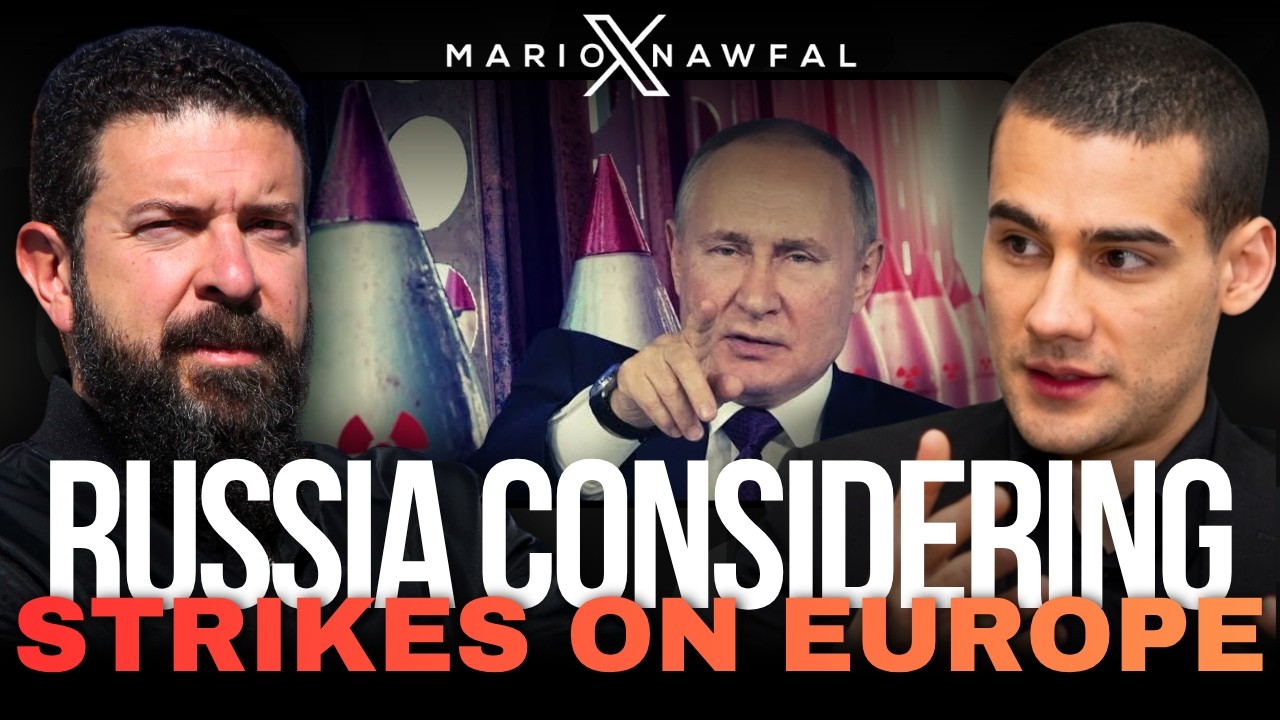

Mario Nawfal Interviews · MASSIVE RUSSIAN ATTACK, POLAND-UKRAINE TIES FRACTURE – w/ The Duran's Alex Christoforou · July 2, 2026
European Powers Accept Iran Hormuz Transit Fees Despite US Opposition
Mario Nawfal Interviews
MASSIVE RUSSIAN ATTACK, POLAND-UKRAINE TIES FRACTURE – w/ The Duran's Alex Christoforou
"Some leading European powers now accept that commercial vessels transiting Hormuz may ultimately have to pay service fees to Iran and Oman according to Bloomberg. So they've accepted the fact that fees are going to be there."
Leading European nations are privately accepting that ships transiting the Strait of Hormuz will likely pay fees to Iran and Oman, despite the US and Gulf Arab states insisting such tolls are illegal under international maritime law. European governments are urging that fees not discriminate by nationality and advocating for an international maritime coalition to ensure China and Russia also pay. US envoys Steve Witkoff and Jared Kushner reportedly warned Iran that demanding tolls could jeopardize broader US-Iran negotiations.

About this episode

Host Mario Nafal speaks with geopolitical analyst Alex about escalating conflicts in Ukraine and the Strait of Hormuz. The episode opens with breaking news that leading European powers are privately accepting that commercial vessels may have to pay transit fees to Iran and Oman for passage through Hormuz, despite US and Gulf Arab objections that such tolls violate international maritime law. US envoys Steve Witkoff and Jared Kushner have reportedly urged Iran to abandon the demand, warning it could jeopardize broader negotiations. The bulk of the conversation focuses on Ukraine, where Russia conducted its largest missile strike on Kiev since the war began, deploying 74 missiles with only 24 intercepted. Alex argues these coordinated attacks were planned weeks in advance to degrade Ukrainian fuel supplies and military infrastructure, not as retaliation for Ukrainian drone strikes on Russian refineries. He contends that Ukraine's strategy of targeting Russian energy infrastructure to turn public opinion against Putin is fundamentally flawed and has never succeeded in military history. Alex reveals that Russia and the Trump administration reached a framework agreement in Alaska involving Russian concessions similar to Putin's June 2024 terms, but Trump walked away after pressure from European allies and neoconservatives within his administration. This contradicts statements by US Secretary of State Rubio denying any agreement was reached. Following the breakdown, assassination attempts on Putin and escalated drone strikes resumed. Alex asserts that Russia is preparing to complete its conquest of Donbas and open new fronts in northern Ukraine toward Sumy, dismantling NATO's decade-long defensive fortifications. He believes diplomatic solutions are now impossible due to repeated Western failures to honor agreements from Minsk to Anchorage, and the conflict will be resolved militarily. Alex expresses concern not about Russian escalation under Putin's restrained leadership, but about European leaders like Ursula von der Leyen and Emmanuel Macron who lack understanding of escalation risks. The episode concludes with discussion of how NATO's business model depends on maintaining Russia as the primary threat regardless of battlefield outcomes.

Key takeaways

More stories More from Mario Nawfal Interviews