← All stories
Military

CIA Operative Reveals Maduro Kidnapping Operation Training Details and Cuban Protection
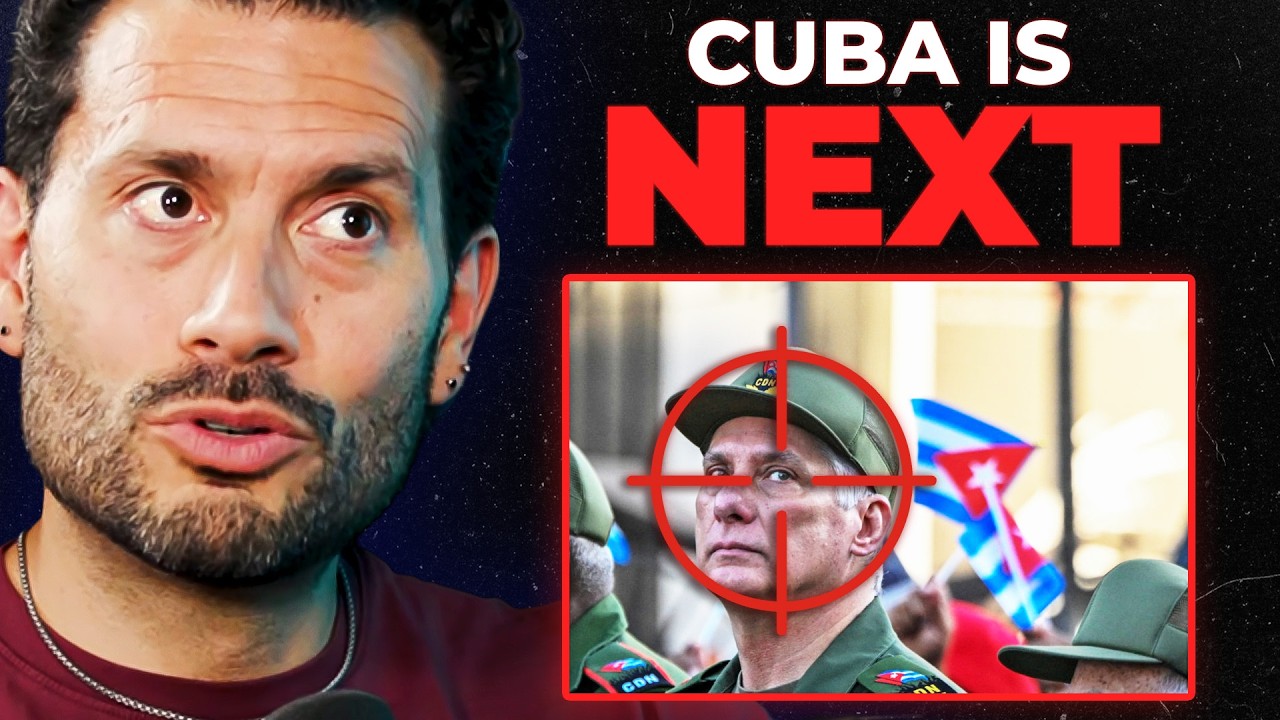
Everyday Spy · How CIA Takes Down a Dictator (The Maduro Operation Explained) · July 2, 2026
CIA Operative Reveals Maduro Kidnapping Operation Training Details and Cuban Protection

Everyday Spy
Everyday Spy
How CIA Takes Down a Dictator (The Maduro Operation Explained)
"Venezuela wasn't even being protected by Venezuelans. Maduro was being protected by Cubans because he didn't believe that his own Venezuelan military was capable or loyal to protect him. So, the people who were actually shooting at Americans weren't Venezuelans, they were Cubans. And they were paid protective services rather than trained military units."
A former CIA operative disclosed that the U.S. military operation to capture Venezuelan leader Maduro involved months of specialized training, including building mock compounds and practicing in various weather conditions. He revealed that Maduro was protected by Cuban paid mercenaries rather than his own military forces, who engaged with American special operators during the extraction. The operation involved coordinated efforts across multiple military branches including satellite, human, and signals intelligence.

About this episode

Former CIA operative Andrew Bustamante speaks with European Parliament member Fidias in this wide-ranging interview covering intelligence operations, personal security, and European defense coordination. Bustamante provides unprecedented detail about the recent U.S. military operation to capture Venezuelan leader Nicolas Maduro, revealing that the mission required months of preparation including mock compound training in various weather conditions, and that Maduro was protected by Cuban mercenaries rather than Venezuelan forces when American special operators engaged. The conversation shifts to practical security advice for public figures, with Bustamante explaining the extensive ways individuals can be tracked through their phones, including IMEI signals, AdTech identifiers, email tokens, and passive signals that work even when devices are powered off. He reveals that tech companies including Apple sell user location data directly to governments and intelligence agencies, contradicting public privacy claims. Bustamante offers specific recommendations for pattern disruption, misattribution of physical locations, and managing multiple devices to maintain security. He criticizes the European Union's intelligence-sharing practices, stating that while France, Germany, and Poland have strong individual services, they fail to share information adequately, which wastes resources and benefits adversaries like Russia and the United States. On a personal note, Bustamante shares that he plans to retire within two years despite being under 50, preferring to focus on family, art museums, and personal wealth rather than pursuing billionaire status or continuing high-pressure intelligence work. He expresses a general disinterest in most people, focusing instead on high-impact individuals and legacy-focused work.

Key takeaways

More stories More from Everyday Spy