Catholic Commentator Says Automatic Rebellion Against Church Leadership Means You Cease to Be Catholic
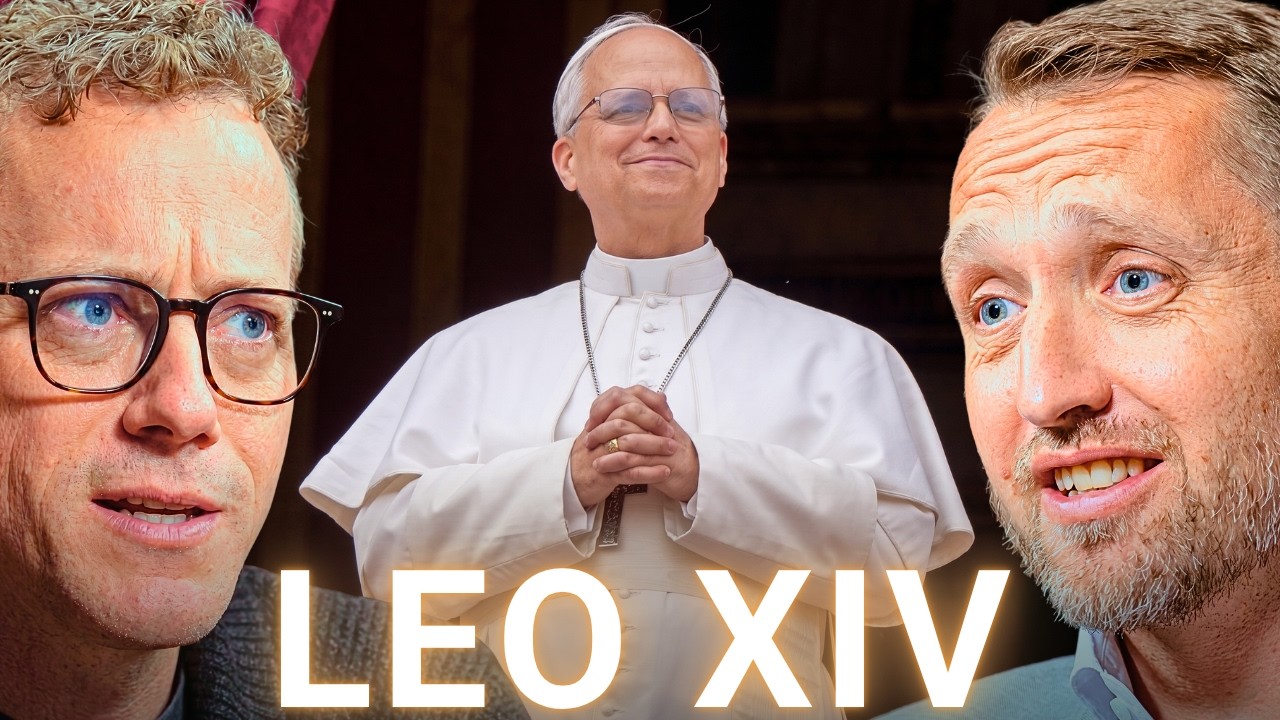
"We do not start from this point of automatic rebellion within the church. That's where you cease to be Catholic."
About this episode
In a wide-ranging discussion about the current state of the Catholic Church under Pope Leo XIV, the conversation explores tensions between traditional, conservative, and liberal factions within Catholicism. The speakers assess Pope Leo XIV as a thoughtful, serious, and prayerful leader who represents stability after the turbulence of Pope Francis's papacy, with one calling him a safe pair of hands the Church needs. They criticize Archbishop of Canterbury Justin Welby's successor Sarah Mullally for pro-choice and pro-same-sex marriage positions, calling Vatican diplomatic courtesies extended to her absurd, particularly when a cardinal received her blessing in a Vatican chapel. A central theme emerges around how Catholic online discourse has shifted targets from Pope Francis to conservative Catholics, with traditionalists now attacking the John Paul II and Benedict XVI faithful who occupy the Church's center. The guest, identifying as part of this conservative camp, argues that Catholic authority operates fundamentally differently from political leadership, rejecting the application of Enlightenment social contract theory to the Church. He insists Catholics must approach Church leaders with filial love for the office even when disliking the person, warning that automatic rebellion against Church authority means one has ceased to be Catholic. This challenges the increasingly politically-influenced posture of Catholic social media, where the rebellious energy that characterized post-2016 American politics has migrated into religious discourse, creating what the speakers see as a category error that threatens Catholic identity itself.
Key takeaways
- Pope Leo XIV is assessed as a thoughtful, prayerful, and stable leader focused on Church unity after Pope Francis's controversial papacy.
- Archbishop of Canterbury Sarah Mullally's pro-choice and pro-same-sex marriage positions drew criticism, with speakers calling Vatican diplomatic engagement with her problematic.
- Catholic online discourse has shifted from criticizing Pope Francis to targeting conservative Catholics who follow John Paul II and Benedict XVI traditions.
- A fundamental distinction is drawn between political authority based on social contract theory and Catholic hierarchical authority that predates the Enlightenment.
- Catholics are told they must approach Church leadership with filial love for the office regardless of personal feelings about individual leaders.
- Automatic rebellion against Church authority is characterized as incompatible with being Catholic, unlike legitimate political dissent in secular governance.
- The rebellious energy from post-2016 political discourse has migrated into Catholic social media, creating what speakers view as a dangerous category error.