← All stories
Health, Longevity & Biohacking

Plant-Based Advocates Admit Marketing Ultra-Processed Foods as Healthy Was Misleading
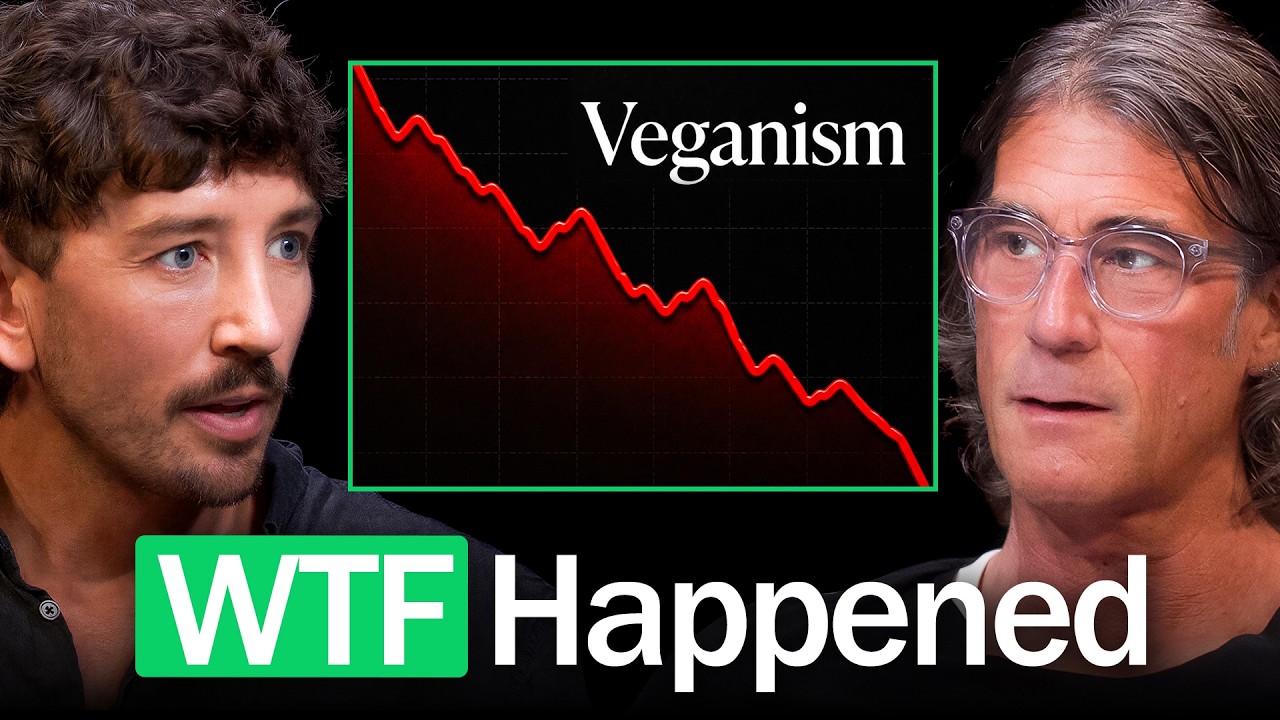
Rich Roll Podcast · What Happened To The Vegan Movement? Rich & Simon Hill On The Rise & Fall Of Plant-Based Eating · June 29, 2026
Plant-Based Advocates Admit Marketing Ultra-Processed Foods as Healthy Was Misleading
Rich Roll Podcast
Rich Roll Podcast
What Happened To The Vegan Movement? Rich & Simon Hill On The Rise & Fall Of Plant-Based Eating
"The communication was presenting them as health foods when in fact most of them are pretty highly processed foods. And I think people felt gaslit a little bit, like they're being fed a lie that was pretty transparent. And that led to a breach of trust between the public and the people who were kind of most influential in the movement."
Rich Roll acknowledges that influential plant-based advocates, including himself, misled the public by marketing ultra-processed vegan products like Beyond Meat as health foods rather than transition foods. He admits this lack of transparency eroded trust and contributed to the movement's decline, with people feeling gaslit by messaging that wasn't completely honest about the health implications of these highly processed alternatives.

About this episode

Podcast host Rich Roll and nutrition scientist Simon Hill conducted an unflinching autopsy of the plant-based movement's dramatic collapse since its 2020 peak, when Beyond Meat's stock has since plummeted over 99% and cultural enthusiasm has evaporated. The two longtime plant-based advocates admit significant culpability in the movement's failures, with Roll acknowledging he and other influencers misled the public by marketing ultra-processed vegan products as health foods rather than being transparent about their highly processed nature. Hill reveals that many prominent plant-based health advocates were actually animal rights activists using health messaging as a Trojan horse for ethical arguments, creating a fundamental breach of trust when their true motivations became apparent. Both men acknowledge the nutrition science does not support claims that vegan diets are definitively healthier than other whole-food dietary patterns like Mediterranean or DASH diets, admitting the strongest arguments for plant-based eating are ethical and environmental, not health-based. They attribute the movement's failure to three primary factors: lack of honesty about health implications and proper supplementation needs, counterproductive communication strategies including moral superiority and vegan-on-vegan attacks, and cultural shifts post-COVID where plant-based eating became associated with wokeness and attacked by the red-pilled manosphere. Roll specifically admits to reductive messaging that extrapolated his personal success to universal claims without appreciating individual physiological differences. Hill explains Beyond Meat's collapse resulted from failing to achieve price parity (costing 2-3 times more than chicken) or taste equivalence with conventional meat. The conversation pivots to practical advice, with both advocating for eating predominantly whole plant foods while being honest that some individuals may need to include small amounts of animal products, and emphasizing the importance of proper protein intake and supplementation with B12, omega-3s, and potentially other micronutrients.

Key takeaways

More stories More from Rich Roll Podcast