Health, Longevity & Biohacking
Pharmaceutical Companies Now Pushing Opioids and Ketamine as Antidepressants for Profit
Triggernometry
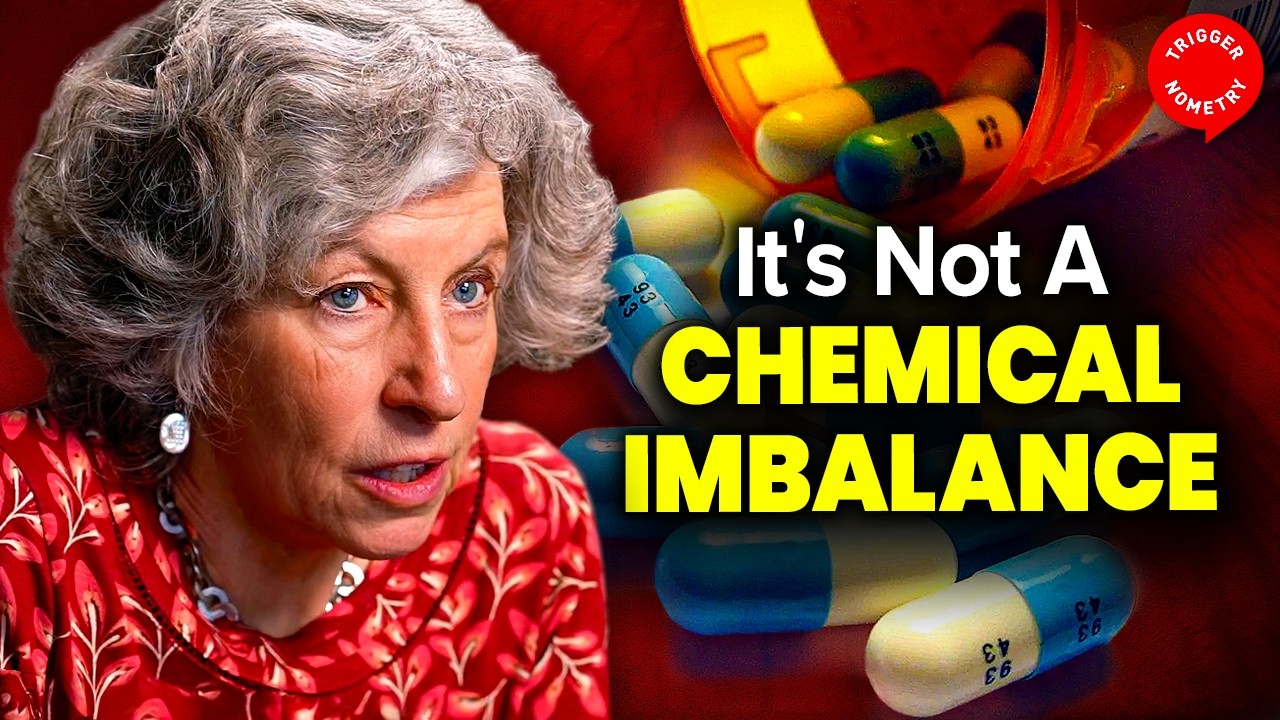
The Truth About Depression - Dr Joanna Moncrieff
What was said
"There are opiate-like drugs being developed for the treatment of depression, believe it or not. S-ketamine, which is very closely related to ketamine, essentially has the same effects as ketamine. They do depression measurement scales and then they do side effect scales, one of the side effects being dissociation, and conclude that because your depression symptoms come down after you've taken this esketamine, that you've somehow recovered from your depression. It's completely absurd."
Moncrieff revealed that pharmaceutical companies are now developing and promoting opioid-like drugs and ketamine derivatives as treatments for depression, despite these being highly addictive recreational substances. She described the clinical trial methodology as absurd—measuring depression while people are high on ketamine and recording euphoria and dissociation as mere side effects rather than the primary psychoactive experience, essentially repackaging drug highs as medical treatment.
Verification status
Attributed speaker claim
Egleze verified who said this and where. The underlying claim has not been independently established by Egleze.
Source and context
Egleze verified who said this and where. The underlying claim has not been independently established by Egleze.
- Programme
- Triggernometry
- Episode
- The Truth About Depression - Dr Joanna Moncrieff
- Clip time
- 51:31
- Original source
- Watch the source segment →
From this episode
Triggernometry