Pharmaceutical Industry Deliberately Spread Chemical Imbalance Theory to Sell SSRIs
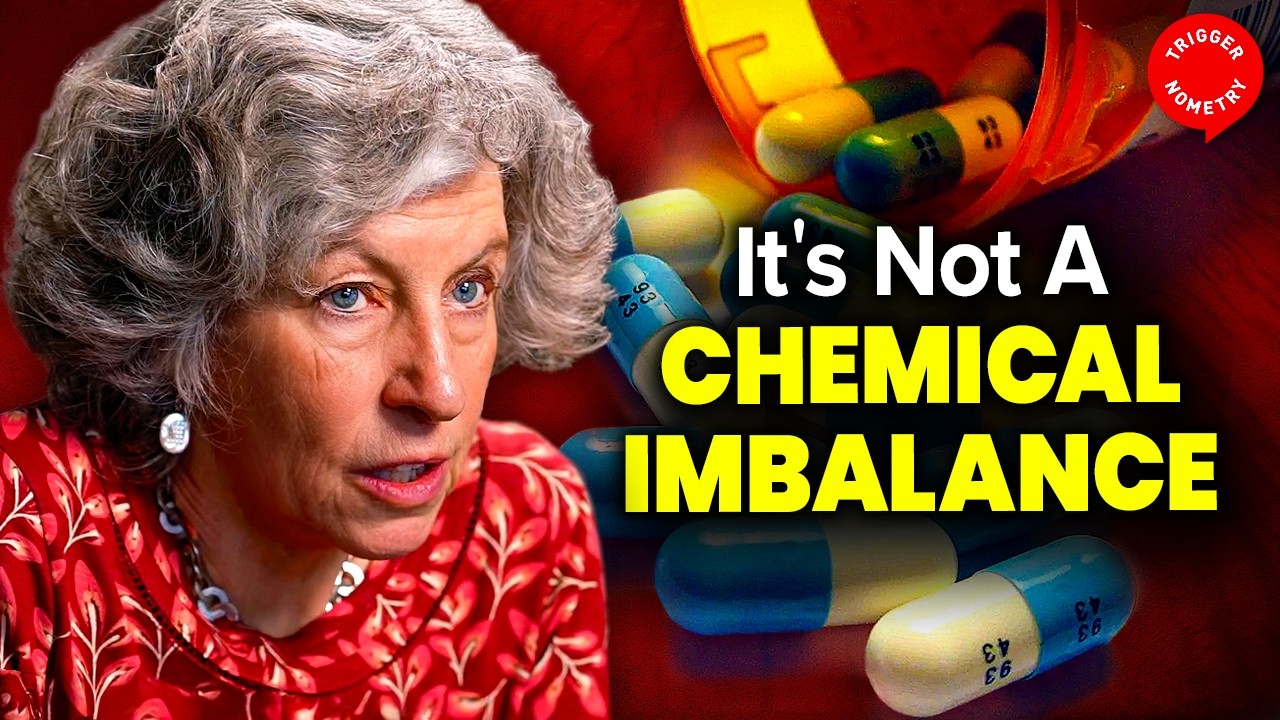
"In the 1990s, the pharmaceutical industry released their new range of antidepressant drugs. They wanted to persuade people to take these drugs rather than the old benzodiazepines. To distinguish these new antidepressants from the old benzodiazepines, they put out this idea basically that depression is caused by a medical disorder that is caused by an abnormality in the brain, specifically a deficiency of serotonin, which their new drugs happen to be able to put right."
About this episode
In this episode of Trigonometry, hosts Konstantin Kisin and Francis Foster interviewed Dr. Joanna Moncrieff, a psychiatrist who has challenged the medical establishment's consensus on depression. Moncrieff, who published a landmark 2022 review debunking the chemical imbalance theory of depression, revealed that despite nearly one in five English adults taking antidepressants, there is no consistent evidence that depression is caused by abnormal serotonin levels or any other brain chemical imbalance. She exposed how pharmaceutical companies in the 1990s deliberately promoted this false narrative to sell SSRIs, transforming public understanding of depression from an understandable reaction to life circumstances into a medical disease requiring lifelong medication. The conversation covered the severe withdrawal effects of antidepressants, including persistent sexual dysfunction that can last years after stopping the drugs, and how the psychiatric profession has actively suppressed debate despite privately knowing the evidence was lacking. Moncrieff explained that antidepressants show minimal advantage over placebos in trials, with only a 2-point difference on a 52-point scale, and primarily work through emotional numbing rather than correcting any deficiency. She also warned that pharmaceutical companies are now pushing even more dangerous treatments including opioid-like drugs, ketamine derivatives, and psychedelics as the next wave of antidepressants, repackaging recreational drug experiences as medical treatments. The episode concluded with practical advice for those wanting to safely discontinue antidepressants, emphasizing the need for very slow tapering to avoid severe and sometimes permanent withdrawal symptoms.
Key takeaways
- Moncrieff's 2022 systematic review found no consistent evidence that depression is caused by serotonin deficiency or any chemical imbalance.
- Pharmaceutical companies deliberately spread the chemical imbalance theory in the 1990s to sell SSRIs and differentiate them from benzodiazepines.
- Approximately 8.7 million people in England—nearly one in five adults—currently take antidepressants despite lack of evidence for their mechanism.
- The psychiatric profession actively suppressed debate about the chemical imbalance theory while privately acknowledging the lack of evidence.
- Antidepressants show only a 2-point advantage over placebo on 52-point depression scales and work primarily through emotional numbing.
- Drug companies are now developing opioid-like drugs and ketamine derivatives as antidepressants, essentially repackaging recreational drugs as treatments.
- Coming off antidepressants too quickly can cause severe persistent withdrawal symptoms including sexual dysfunction lasting months or years in up to 10% of users.