Most Emotional Issues Come From Uncertainty About Future Feelings, Not Events
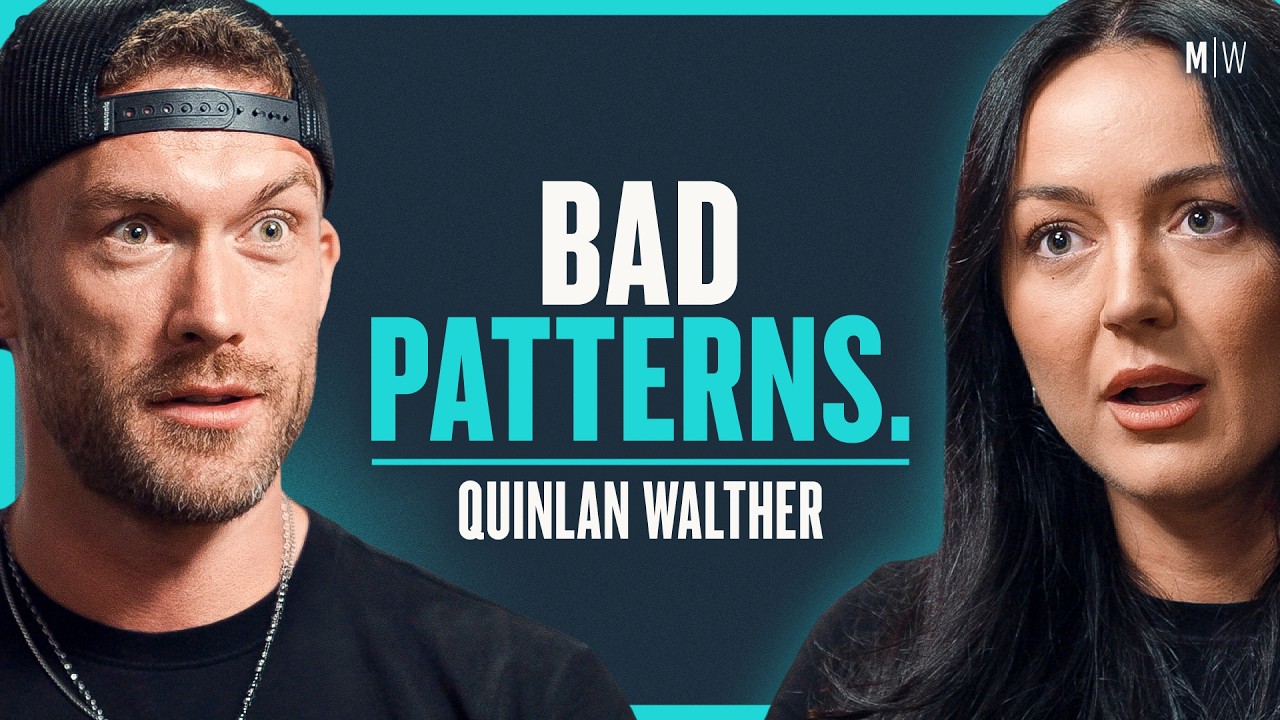
"The majority of our issues, emotional anyway issues, come from uncertainty. What's going to happen to me? What are people going to think of me? What am I going to think of myself? But more importantly, how am I going to feel if this person breaks up with me, if I don't get this job, if someone that I love dies. Most of it is how am I going to feel on the other end of that?"
About this episode
On this episode of Modern Wisdom, host Chris Williamson sits down with therapist and relationship expert Quinn and Walter for an intensive exploration of attachment, self-trust, and why modern relationships are failing. Quinn and Walter opens with a provocative diagnostic: if someone told you they could judge your self-worth by your partner choice, your emotional reaction reveals everything. The conversation quickly escalates into deeper territory as she argues that most emotional distress stems not from external uncertainty but from doubting one's ability to handle future feelings. Quinn and Walter introduces her framework of self-trust built on four pillars: curiosity, capacity, compassion, and commitment, claiming these are prerequisites for sustainable fulfillment. A central thesis emerges: people systematically confuse anxiety for chemistry because childhood attachment patterns wire the nervous system to interpret familiar chaos as love. She delivers a controversial claim that empathy without boundaries is actually self-abandonment serving selfish needs to avoid loneliness. Williamson pushes back throughout, exploring whether high achievers apply the wrong work-harder mindset to relationships and whether AI dating represents salvation or dystopia. Quinn and Walter contends modern culture suffers from arrested development, with people unable to differentiate self from others, making differing opinions feel existentially threatening. The episode concludes with practical repair strategies and a call to return to embodied, in-person connection over algorithmic matching.
Key takeaways
- Quinn and Walter claims empathy without boundaries is self-abandonment used to rationalize mistreatment and avoid facing fear of being alone.
- People mistake anxiety for chemistry because inconsistent childhood caregivers condition the nervous system to interpret adrenaline as love.
- Most emotional issues stem from uncertainty about handling future feelings, not the events themselves, making self-trust the only universal solution.
- Unresolved childhood wounds cause people to choose familiar dysfunction over unfamiliar healthy love because nervous systems prefer known pain.
- Modern relationship failures reflect inability to differentiate self from others, making differing views feel threatening rather than complementary.
- Quinn and Walter argues sustainable change never comes from shame and public shaming perpetuates aggression and isolation rather than growth.
- High achievers wrongly apply work-harder-get-results mindset to relationships when the real issue is compatibility, not effort level.