Former SEAL Commander Admits No Authority to Cover Up Misconduct Under Any Circumstances
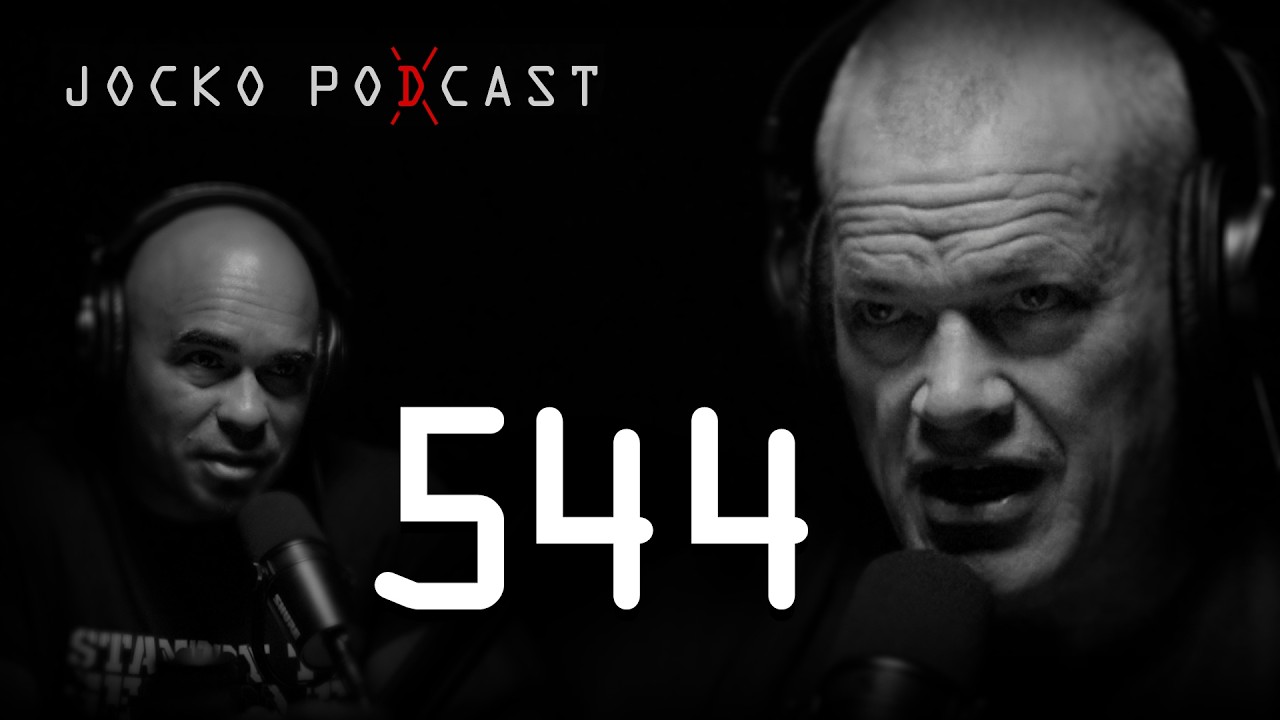

"I got your back almost no matter what you do. But if you do something that's illegal or immoral or unethical, I don't got your back. And you need to know that. You make an honest mistake, I got your back all day. You cross the line though, we got a problem."
About this episode
In Jocko Podcast 544, host Jocko Willink and co-host Echo Charles analyze a military research paper by Lieutenant Colonel Joe Dottie examining organizational learning failures and the psychological factors behind war crimes in Iraq and Afghanistan. The episode centers on nine psychological constructs—including authorization, routinization, dehumanization, and misplaced loyalty—that investigators found contributed to atrocities such as the Haditha killings, Abu Ghraib abuses, and the Mümadiyah murders and rape. Willink, drawing on his own combat leadership experience in Ramadi, reveals he knowingly violated regulations by arming interpreters, arguing moral necessity superseded policy, and acknowledges his battalion commander likely knew but accepted the decision. The discussion expands into practical leadership guidance, with Willink emphasizing that leaders must explicitly tell subordinates they will not cover up illegal or unethical behavior, contrasting this with unconditional support for honest mistakes. He stresses the importance of after-action reviews and debriefs as the foundation of learning organizations, noting most companies fail to debrief even major successes or failures. The episode also covers the slippery slope of minor ethical violations, using examples from civilian shoplifting to military corruption, arguing small transgressions become routine without clear boundaries. Willink advocates for integrating the nine psychological constructs into pre-deployment training and command checklists, and warns that planting evidence after combat incidents guarantees criminal prosecution. Throughout, he balances the need for moral courage with the reality that combat leaders face morally ambiguous situations requiring judgment calls that may violate the letter of law while honoring its spirit.
Key takeaways
- Willink disclosed he knowingly armed interpreters in Ramadi in violation of regulations, accepting personal accountability for the moral decision.
- Army research identified nine psychological constructs that contributed to Iraq and Afghanistan war crimes, paralleling factors found at My Lai.
- Willink stated leaders must explicitly tell troops they will not cover up illegal or unethical behavior, despite otherwise unconditional loyalty.
- Planting weapons on killed suspects guarantees jail time, whereas admitting honest combat mistakes under stress carries lesser consequences.
- Most organizations fail to conduct debriefs even after major successes or failures, missing critical learning opportunities.
- Small ethical violations become routine without clear boundaries, creating slippery slopes from minor infractions to serious misconduct.
- The paper recommends integrating psychological threat awareness into pre-deployment training and commander checklists to prevent atrocities.