60 Percent of Young Investors Base Portfolio Trades on Podcasters
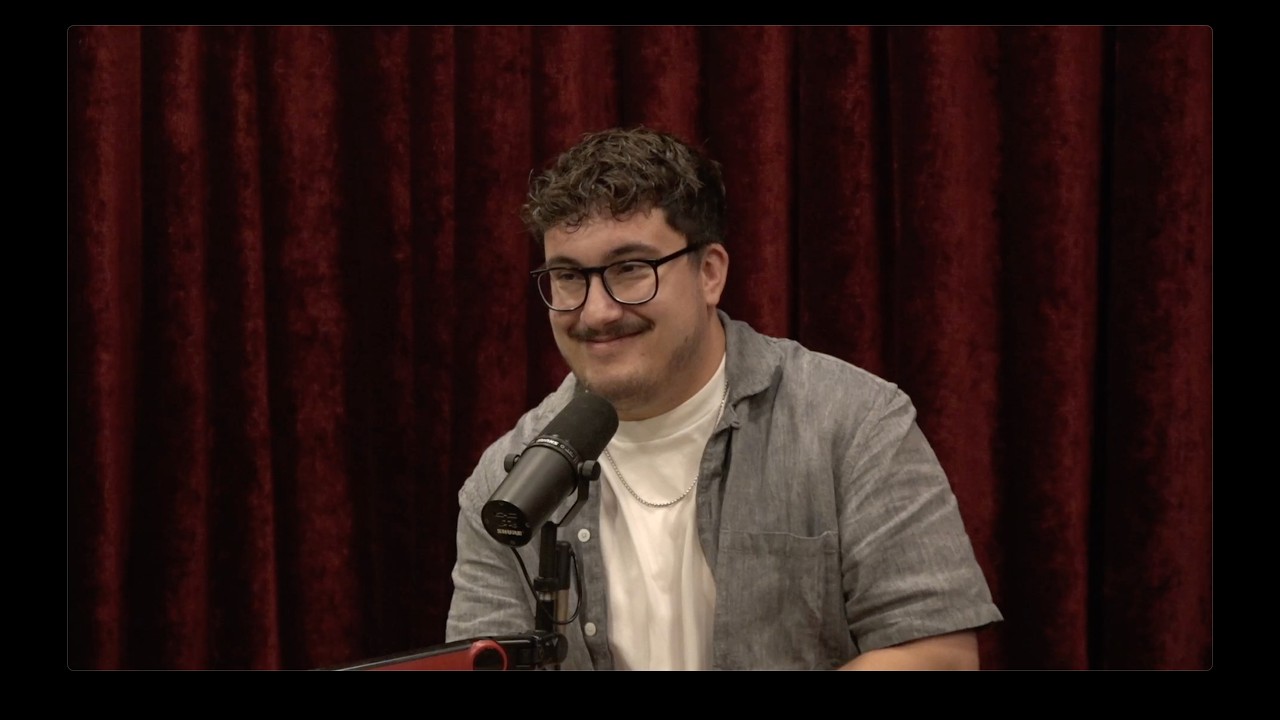
"People in our position right now, people under 30, 60% of them are doing their portfolio trades based on the podcasters they're listening to. Even on like Kick or Twitch, there's streamers. I'll log on in the morning, just see who's streaming, and some of the top viewed people are day traders with like 25,000 concurrent viewers that are getting hundreds of thousands of views a day."
About this episode
Joe Rogan hosted financial educator and YouTuber Caleb Hammer for a wide-ranging conversation on personal finance, government waste, political corruption, and the socioeconomic challenges facing young Americans. Hammer, who runs a popular YouTube channel and budgeting app called Dollarwise, described his journey from music school dropout drowning in debt to building a 40-person media company in Austin by teaching personal responsibility and financial literacy through viral roast-style content. The episode opened with Hammer explaining how he fell into typical American financial traps—maxed-out credit cards, student loans for a useless degree, car debt—before strategically pivoting to a sales job and self-educating through finance YouTubers. A major theme was the systemic dysfunction in American institutions: Rogan and Hammer discussed how George Soros funds progressive DA campaigns to destabilize cities, how the Pentagon has failed audits for years while defense spending hits one trillion dollars, and how Social Security funds are projected to run dry by 2033, triggering automatic 25 percent benefit cuts. Hammer revealed that 60 percent of investors under 30 now base portfolio decisions on podcasters and Twitch streamers, and that George Santos is under federal investigation for insider trading after betting against his own public statements. The two dissected California's homelessness crisis, noting the state spent 24 billion dollars while homelessness increased, and that housing one homeless person in California costs over one million dollars versus a few hundred thousand in Houston due to regulatory bloat and union extortion. Hammer argued most Americans lack agency and fall into victim mentality, citing the 1.6 trillion dollars in credit card debt, the obsession with new cars at predatory interest rates, and the refusal to cook at home or build emergency funds. He explained why trades and AI-resistant careers are now smarter than college degrees, especially for women who disproportionately choose low-paying majors like sociology and psychology. Rogan and Hammer also explored the gender wars among Gen Z, the 4B movement, rising virginity rates, and political capture via social media algorithms. The episode concluded with Hammer promoting his budgeting app and membership platform, emphasizing that financial literacy is the ultimate form of personal empowerment in a system designed to keep people dependent and broke.
Key takeaways
- George Santos is under federal investigation for insider trading after publicly stating he would attend the State of the Union then betting he would not, with four associates cooperating with the FTC.
- Rogan claimed Elon Musk explained how George Soros strategically funds local DA races to destabilize cities because they cost far less than higher offices but yield massive societal disruption.
- Hammer warned that 60 percent of investors under 30 make portfolio decisions based on podcasters and Twitch streamers, many of whom are day traders with tens of thousands of live viewers.
- Social Security trust funds are officially projected to be depleted by 2033, triggering automatic 25 percent benefit cuts unless Congress intervenes before then.
- California spends over one million dollars per homeless housing unit compared to a few hundred thousand in Texas due to permitting red tape, environmental codes, and labor union practices.
- Hammer argued that most Americans lack personal agency and financial literacy, evidenced by 1.6 trillion dollars in credit card debt, 7 percent default rates, and refusal to build emergency funds or cook at home.
- The discussion covered how college degrees are losing value as trades and AI-resistant careers become smarter investments, especially for women who disproportionately choose low-paying majors and face higher student debt burdens.