Maternal Ultra-Processed Food Diet Independently Predicts Child Obesity Risk
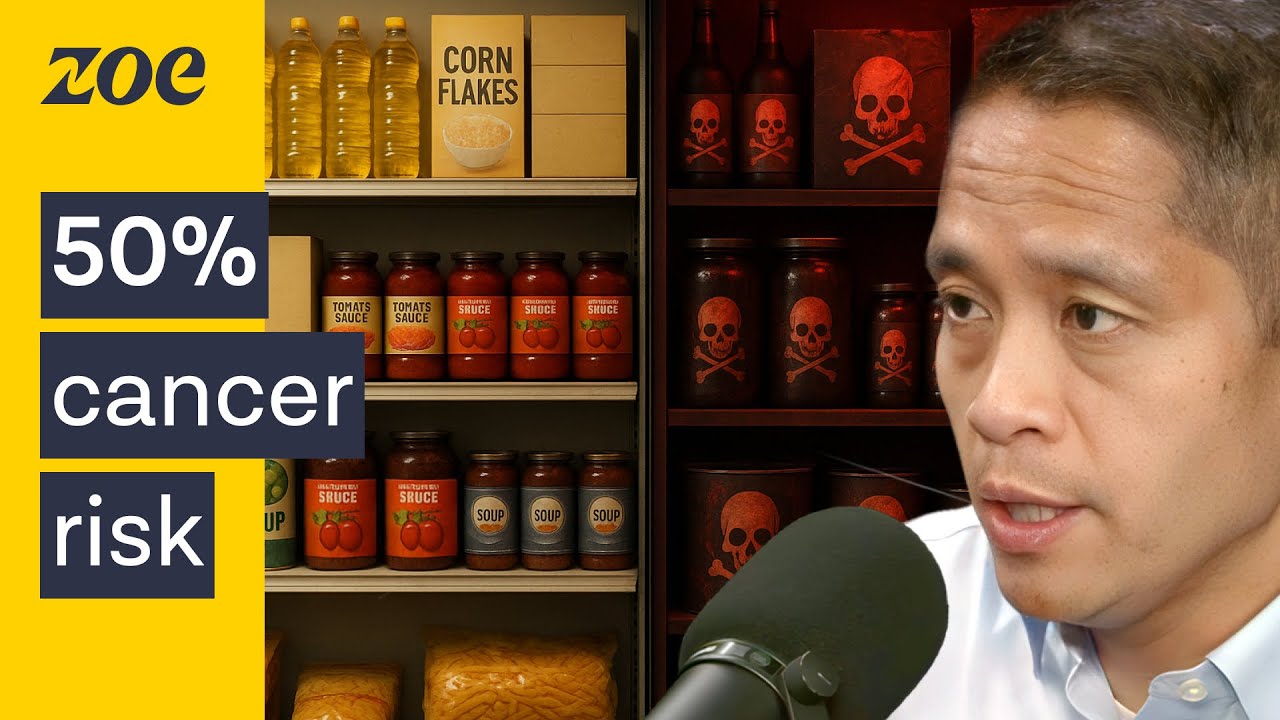
"What was very interesting in particular was that it also was associated with the likelihood of their moms eating ultra-processed food during that period of time where they were raising their kids. And it was sort of an independent risk factor."
About this episode
In this episode of Zoe Recap, host Jonathan Wolf speaks with Harvard professor Dr. Andrew Chan about his research into how early exposure to ultra-processed foods shapes lifelong health outcomes, particularly in children. Dr. Chan, whose work focuses on rising early-onset disease rates, presents findings from Harvard's 30-year Growing Up Today Study, which tracked children of nurses from the 1990s through adulthood. The conversation centers on alarming trends: dramatic increases in cancer, inflammatory bowel disease, and metabolic conditions in adults under 50, with ultra-processed food consumption emerging as a significant risk factor. Dr. Chan reveals that his research found associations between childhood ultra-processed food consumption and future obesity, but more strikingly, that maternal dietary patterns during child-rearing independently predicted children's obesity risk regardless of the children's own eating habits. He also discloses new data linking ultra-processed food consumption in younger adults to colon polyps, precancerous growths that suggest a mechanistic pathway to early-onset colorectal cancer. The discussion addresses the complexity of defining and studying ultra-processed foods, noting that ready-made meals and bottled sauces often contain far more processing than consumers expect. Dr. Chan explains that while not all processing is harmful, current research aims to identify which specific additives, emulsifiers, or manufacturing processes pose the greatest health risks. The episode concludes with practical guidance: preparing meals from raw ingredients at home generally reduces ultra-processed food consumption, though approximately 50% of foods now consumed domestically contain ultra-processed components.
Key takeaways
- Dr. Chan's research found ultra-processed food consumption in younger adults associated with increased risk of colon polyps, cancer precursors.
- Mothers' ultra-processed food intake during child-rearing independently predicted children's future obesity risk in Harvard's 30-year study.
- Cancer rates in adults under 50 are rising dramatically across multiple types, alongside inflammatory and metabolic diseases.
- Approximately 50% of food consumed at home now contains ultra-processed ingredients, not just restaurant or takeaway meals.
- In utero and early childhood dietary exposures may be biologically imprinted, affecting health outcomes decades later.
- Cooking from raw ingredients at home generally reduces ultra-processed food consumption compared to ready-made or bottled products.
- Current research aims to identify which specific food processing methods or additives cause the greatest harm within the ultra-processed category.