Feminist Movement Funded by Rothschilds and Vanderbilts Says Anti-Feminist Influencer
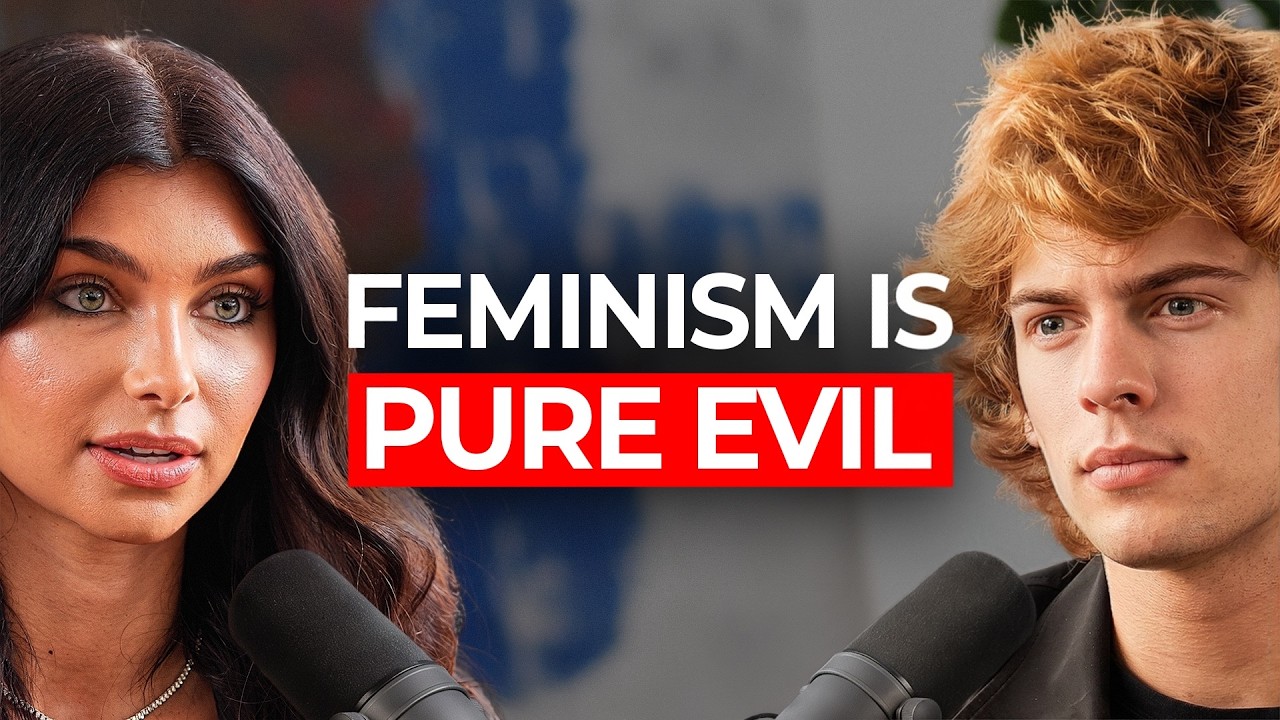

"The biggest financier of this was Alva Belmont. She was originally married to William Vanderbilt, which was Cornelius Vanderbilt's grandson. Then she marries Oliver Belmont, who is the son of August Belmont, who was a Jewish investment banker for the Rothschild family. All of these wealthy elite families were involved in funding the 19th Amendment."
About this episode
Host Jack Neal interviews 20-year-old anti-feminist influencer Savannah Faith Stone, who left a promising modeling and acting career to get married at 18 and promote traditional values. Stone argues feminism was never a grassroots movement but an elite-funded operation by families including the Vanderbilts and Rothschilds, claiming only 4% of Massachusetts women actually wanted suffrage. She reveals that Gloria Steinem's Ms. Magazine received CIA funding and featured Hindu goddess Kali symbolizing male destruction on its 1972 cover. Stone details her personal journey from competitive beauty pageants starting at age 13 through turning down a million-dollar film role because it required nudity, ultimately choosing marriage and faith over Hollywood. She makes controversial claims about early feminists practicing witchcraft and sex magic, and argues modern feminism has led to declining female happiness, the inability to define womanhood, and men competing in women's spaces. Stone discusses her traditional marriage philosophy including wifely submission, never refusing sex, and letting her husband make household decisions. She warns young women about human trafficking schemes disguised as modeling opportunities and criticizes the entertainment industry's moral compromises. The conversation explores dating dynamics, social media's impact on relationships, consumerism targeting women, and why she believes the anti-suffragist movement was larger but hidden from history. Stone argues women are happiest as married mothers and that career-focused feminism has enslaved rather than freed women.
Key takeaways
- Stone claims the 19th Amendment was funded by Rothschild and Vanderbilt families, not a grassroots movement, with only 4% of Massachusetts women voting for suffrage.
- Gloria Steinem's Ms. Magazine received CIA funding and featured Hindu goddess Kali representing male destruction on its 1972 cover, Stone reveals.
- Stone turned down a million-dollar film role at 17-18 because it required a topless scene, prioritizing values over career advancement.
- Early feminists practiced Dianic Wicca witchcraft and sex magic rituals involving psychedelics and group sex to summon spirits, according to Stone.
- Stone warns the modeling industry contains human trafficking schemes disguised as legitimate photoshoot opportunities targeting young women with offers of $10,000 and travel.
- Stone married at 18 and practices traditional gender roles including never refusing sex, letting her husband make decisions, and viewing wifely submission as trusting male leadership.
- Female happiness has declined since feminism despite increased freedom, with married mothers being the happiest demographic, Stone argues citing the paradox of declining female happiness.