← All stories
Psychology

Memory Loss of Childhood Signals Extreme Stress and Mother Wound Says Therapist
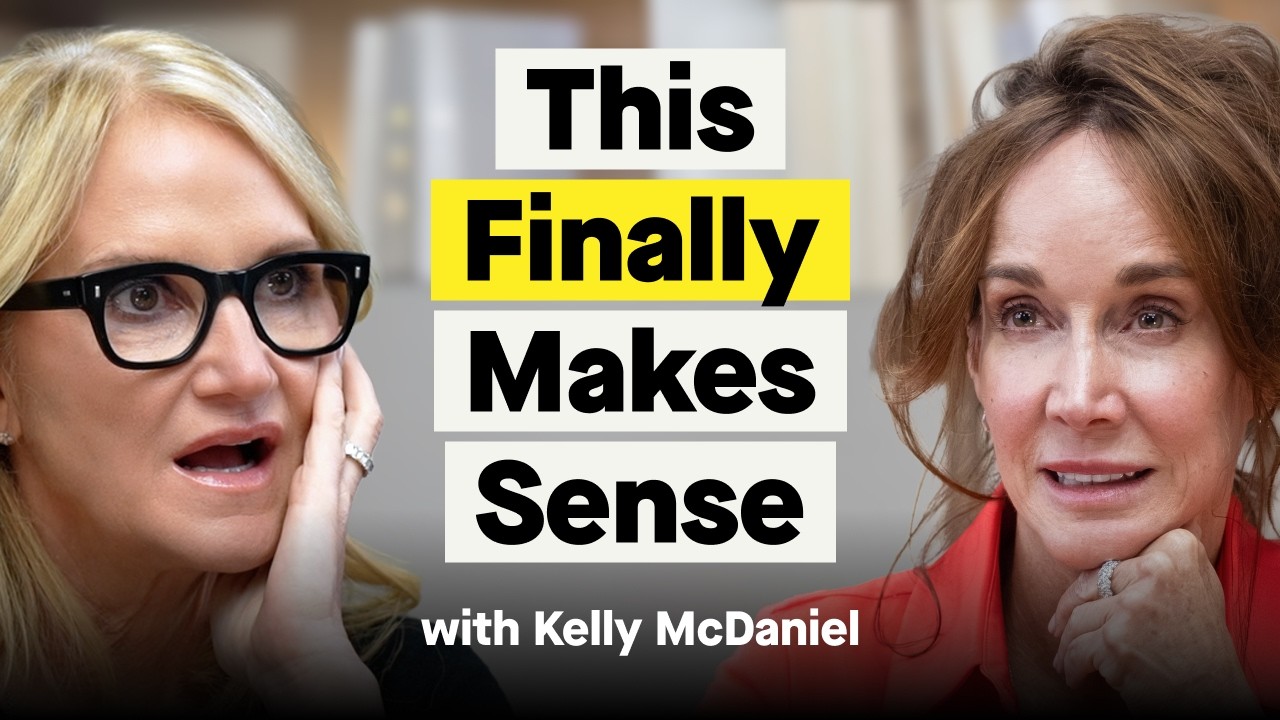
The Mel Robbins Podcast · You’re Not Broken: Why You People-Please, Feel Anxious, & Never Feel Good Enough – and How to Heal · May 24, 2026
Memory Loss of Childhood Signals Extreme Stress and Mother Wound Says Therapist

The Mel Robbins Podcast
You’re Not Broken: Why You People-Please, Feel Anxious, & Never Feel Good Enough – and How to Heal
"When your infant brain gets stressed, the body is not developed enough to handle cortisol and norepinephrine. They damage the memory center of the brain. If an adult's telling me, I don't have any memory but I think it was all good, I'm thinking, this child was completely stressed out."
McDaniel revealed that adults who claim to have no childhood memories yet struggle with addiction and relationship dysfunction are likely suppressing severe early trauma. She explained that excessive cortisol in developing brains literally prevents memory encoding, meaning the body is protecting itself from overwhelming information. This contradicts patients' own narratives that their childhoods were fine.

About this episode

On this episode of the Mel Robbins Podcast, host Mel Robbins interviewed therapist and bestselling author Kelly McDaniel about mother hunger, a term McDaniel coined to describe the invisible childhood wound caused by inadequate maternal nurturing, protection, or guidance. McDaniel, a Georgetown-trained psychotherapist, explained that this unmet attachment need—rooted in the first thousand days of life—manifests in adulthood as perfectionism, people-pleasing, burnout, eating disorders, addiction, and relationship dysfunction. She made the controversial claim that the biological drive to attach to one's mother is stronger than the drive to eat, and that all addictions stem from attempts to replace maternal connection. McDaniel argued that lack of childhood memories often signals extreme early stress that damaged brain development, not an idyllic upbringing as patients claim. The conversation emphasized that mother hunger is not about blaming mothers but recognizing systemic and intergenerational patterns, as mothers themselves were daughters who likely experienced the same wounds. McDaniel introduced concepts like pathological hope—the fantasy that a mother will change—and apology ache—the biological craving for maternal acknowledgment that may never come. Robbins and McDaniel discussed the difficulty of naming this wound due to cultural taboos and guilt, but emphasized that awareness is the first step toward healing. McDaniel prescribed re-mothering oneself through nurturing, protection, and guidance, warning against expecting partners or friends to fill this void. The episode closed with practical advice: share the conversation carefully, seek professional support, allow yourself to grieve, and be gentle with the dysregulation that naming the wound may trigger.

Key takeaways

More stories More from The Mel Robbins Podcast