← All stories
Psychology

Host Warns High Performers Their Psychological Strength Traps Them in Toxic Relationships
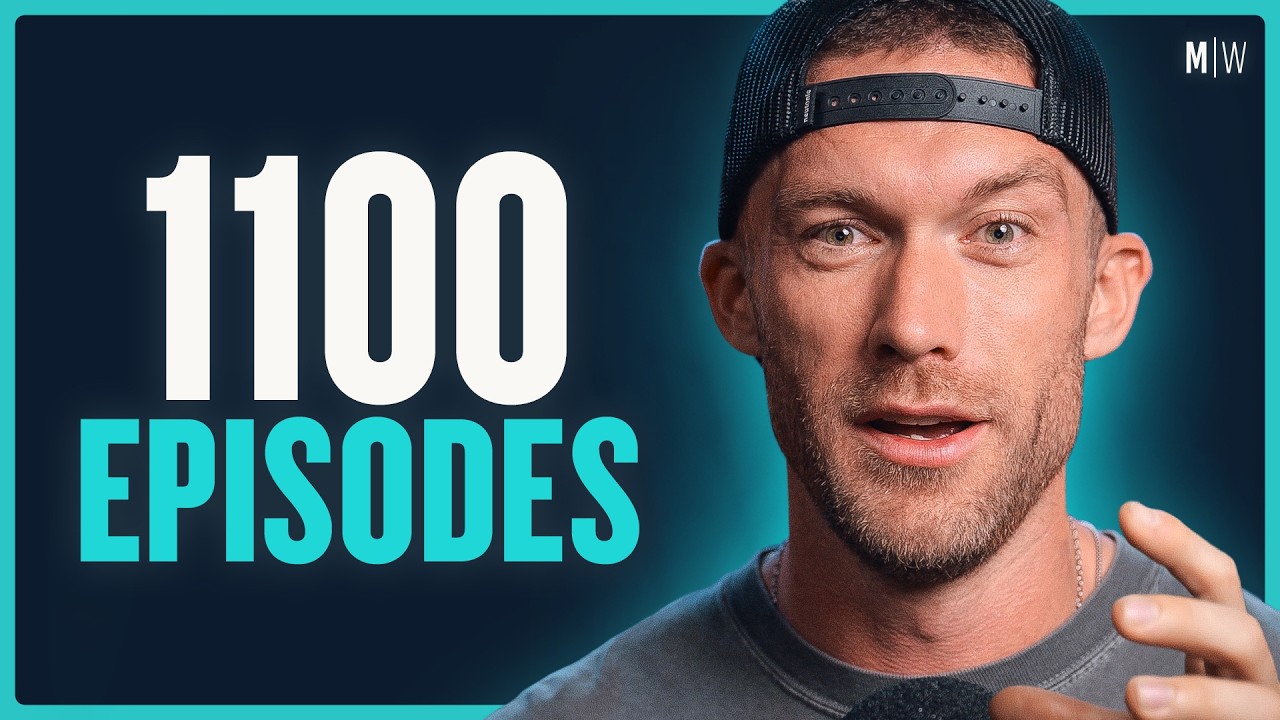
Modern Wisdom · 19 Lessons From 1100 Episodes - #1100 · May 21, 2026
Host Warns High Performers Their Psychological Strength Traps Them in Toxic Relationships
Modern Wisdom
Modern Wisdom
19 Lessons From 1100 Episodes - #1100
"Psychological strength doesn't always make you strong. Often it just makes you stay too long. You risk one day waking up in a life that you built entirely around what you were willing to tolerate, and then you finally break."
Williamson presented an extended reflection on how the capacity to endure emotional pain without complaint—typically praised in professional contexts—becomes destructive in intimate relationships. He argued that Type A overachievers trained in childhood to ignore their own needs mistake familiar disconnection for love and stay in harmful relationships far longer than lower-resilience people would. The same grit rewarded in business becomes self-abandonment at home.

About this episode

In this solo milestone 1,100th episode of Modern Wisdom, host Chris Williamson delivered a deeply introspective monologue exploring counterintuitive lessons about personal development, relationships, and self-awareness accumulated over six months. Rather than celebrating conventional wisdom, Williamson systematically dismantled comfortable assumptions in the self-improvement space, warning his audience—predominantly high-achieving, introspective men—that their greatest strengths often become their worst traps. He opened with an extended meditation on obsession versus discipline, arguing that obsession is a non-renewable fuel source that people waste by trying to moderate it into something respectable, when they should instead surrender fully and let it fossilize into identity. He then pivoted to darker territory, exploring how psychological strength—the capacity to endure emotional pain without protest—traps people in toxic relationships because they mistake suffering for nobility. Williamson shared research showing dramatic perception gaps in cross-sex friendships, with nearly half of male friends harboring romantic interest their female counterparts don't perceive. He devoted significant time to the addictive danger of monk mode, drawing on personal experience with extreme isolation including 2,000 days without alcohol and 500 hours of rehabilitation exercises, warning that the strategy's effectiveness makes reintegration nearly impossible for introverted men. In perhaps the most philosophically ambitious segment, he questioned whether a true self exists at all, citing studies showing people project their own values onto others when judging authenticity, with goodness always deemed real and badness dismissed as a mask. The episode closed with reflections on online criticism, polyamory's self-deception problem, and sex differences in relationship investment. Throughout, Williamson positioned himself as someone reporting uncomfortable truths from the far side of excessive self-optimization.

Key takeaways

More stories More from Modern Wisdom