Saad's Parents Kidnapped and Tortured by Abu Nidal's Fatah Group in 1980
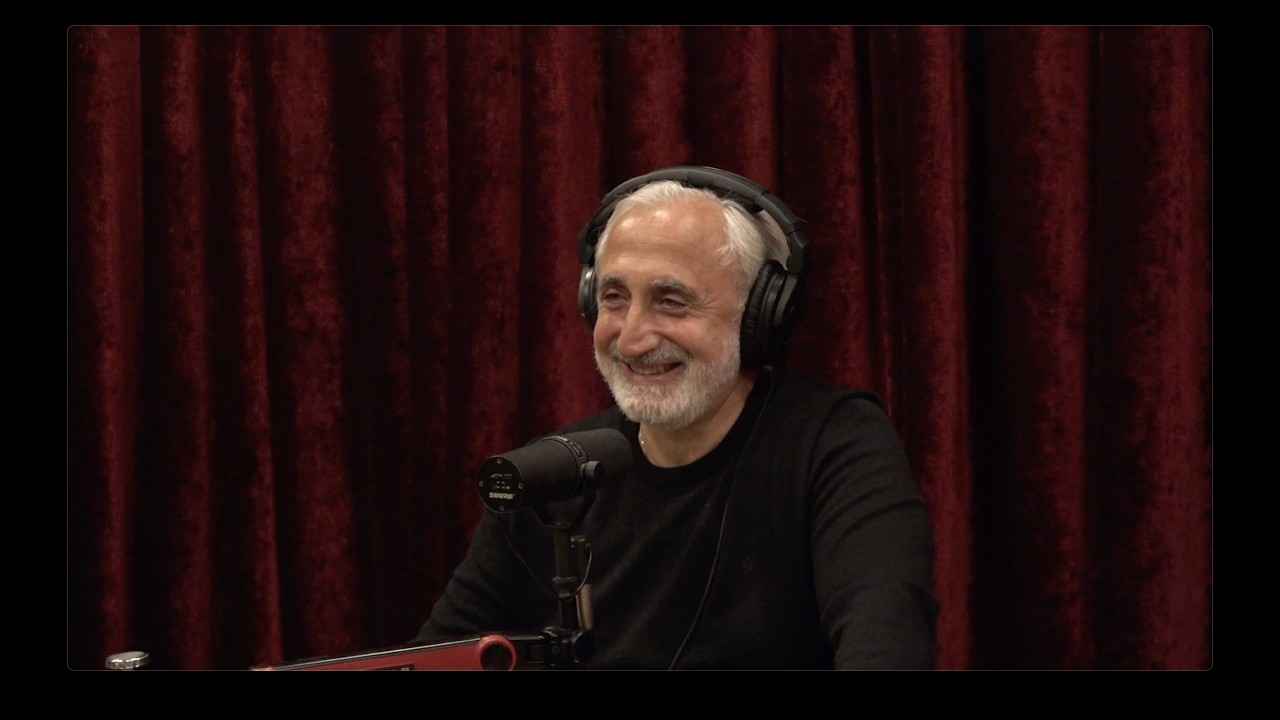
"On one of their return trips to Lebanon, they were kidnapped by Abu Nidal's group, Fatah, and some really bad things happened during their captivity, very much like the stuff that you hear about on October 7th. But luckily, they weren't killed. When my father returned, he had a temporary facial paralysis akin to when you have a really severe stroke and your face is completely disfigured and asymmetric."
About this episode
On this episode of The Joe Rogan Experience, host Joe Rogan spoke with evolutionary behavioral scientist and author Gad Saad for a charged three-hour conversation centered on Islamic immigration, Israeli-Palestinian conflict, cultural assimilation, and what Saad terms 'suicidal empathy.' Saad, a Lebanese Jew who fled civil war as a child and now holds a distinguished professorship at the University of Mississippi after leaving Concordia University in Montreal, promoted his new book Suicidal Empathy and argued that Western societies are committing civilizational suicide by refusing to acknowledge incompatibilities between Islamic doctrine and liberal democratic values. The conversation became contentious when Rogan challenged Saad's framing of anti-Israel sentiment, suggesting the destruction of Gaza has legitimately shifted American public opinion rather than stemming from inherent anti-Semitism. Saad countered by citing Pew Research data showing 95%+ of Middle Eastern populations express disdain for Jews, and argued that mass Islamic immigration to the West imports this hatred regardless of Gaza. He revealed personal threats including an in-person confrontation while walking with his nine-year-old son, and detailed his parents' 1980 kidnapping and torture by Abu Nidal's Fatah group in Lebanon. Saad rejected the term 'radical Islam,' insisting that political expansionism and incompatibility with secular governance are inherent to mainstream Islam based on canonical texts. Rogan pushed back on what he characterized as whataboutism, emphasizing that Gaza's destruction by U.S.-funded Israeli forces represents a uniquely asymmetrical conflict visible to all Americans. The two debated whether Israeli policy or Islamic doctrine bears greater responsibility for Middle Eastern violence, with Saad maintaining that demography is destiny and that Islamic populations will inevitably reshape Western societies toward Sharia governance. Despite friction, both agreed on the failures of U.S. foreign intervention in Iraq and Libya, though they disagreed on whether America's meddling or Islamic theology better explains regional instability.
Key takeaways
- Saad cited Pew Research showing 95-98% of Middle Eastern populations express disfavorable views toward Jews, not just Israel, arguing mass immigration imports this hatred to the West.
- Saad received an in-person death threat in 2022 while walking with his nine-year-old son; Montreal police declined to show him a suspect lineup citing concerns about racism.
- Saad's parents were kidnapped and tortured by Abu Nidal's Fatah faction in 1980 in Lebanon, freed through connections to Hafez al-Assad's regime.
- Saad rejected the term 'radical Islam,' arguing political expansionism and Sharia advocacy are inherent to mainstream Islam based on canonical texts including Quran and hadith.
- Rogan argued anti-Israel sentiment surged post-October 7th due to Gaza's destruction by U.S.-funded forces, not inherent anti-Semitism, challenging Saad's framing throughout.
- Saad proposed the solution to Israeli-Palestinian conflict lies in eliminating childhood anti-Semitic brainwashing in Palestinian territories he claims makes Hitler look moderate.
- Both agreed U.S. intervention in Iraq and Libya caused humanitarian disasters, though they disagreed on whether Islamic ideology or Western meddling better explains Middle East instability.