Tony Robbins says Mayo study found 88% of first diagnoses differed
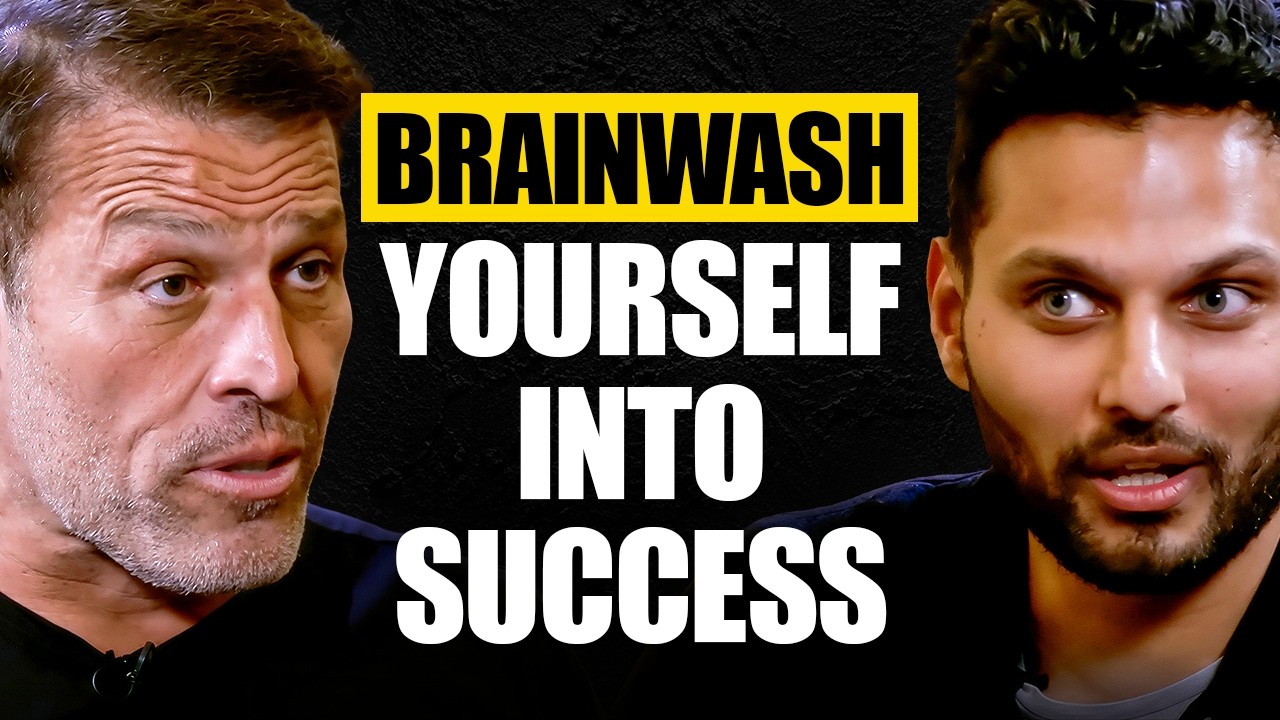

"I'm glad you mentioned this. The Mayo Clinic did a study. In 2017, they took 286 patients with various diagnosis, and they took the first diagnosis, and then they had a second doctor do a a diagnosis. Only 12% of the time did they match."
About this episode
Tony Robbins tells host Jay Shetty that people often delay change until pain outweighs the perceived benefits of staying the same, arguing that behaviour is driven by attempts to meet core human needs such as certainty, variety, significance, and connection, with growth and contribution as “spiritual” needs. He says fear is largely uncertainty, and claims most people prioritise certainty and significance even when they say they want love.
On personal effectiveness, Robbins argues that the most important skill is managing one’s own mind and emotions, adding that influence over others is central to leadership. He uses placebo research as an example of mind–body effects and claims that larger “interventions” can generate stronger placebo responses.
Robbins advises persistence and “immersion” rather than intermittent effort, comparing skill-building to learning a language by living abroad. He also discusses decision-making in health care, claiming a Mayo Clinic study found low agreement between first and second diagnoses and urging second opinions.
In the closing segment, he recommends The Fourth Turning and outlines its cyclical theory of history. Robbins says society has been in a “winter” phase since about 2008 and predicts several more years of turmoil before a renewal period, arguing that difficult periods can be used to build resilience and create opportunities.
The episode ends with brief reflections on fame, value, and love as a guiding principle.
Key takeaways
- Robbins says people delay change because current behaviours still meet some psychological needs, creating a push-pull until pain forces action.
- He identifies six core needs—certainty, variety, significance, connection/love, growth, and contribution—and claims most people prioritise certainty and significance.
- Robbins argues emotional self-management is a foundational life skill and says wealth tends to amplify existing traits rather than create happiness.
- He emphasises persistence and “immersion” as prerequisites for transformation, not intermittent reading or listening.
- Robbins claims a 2017 Mayo Clinic study found only 12% agreement between first and second diagnoses and recommends seeking second opinions.
- He endorses The Fourth Turning and predicts the current “winter” era, which he dates to about 2008, may last another seven to eight years.