Neurologist says vitamin D advice is unsafe and supplement industry is “a mess”
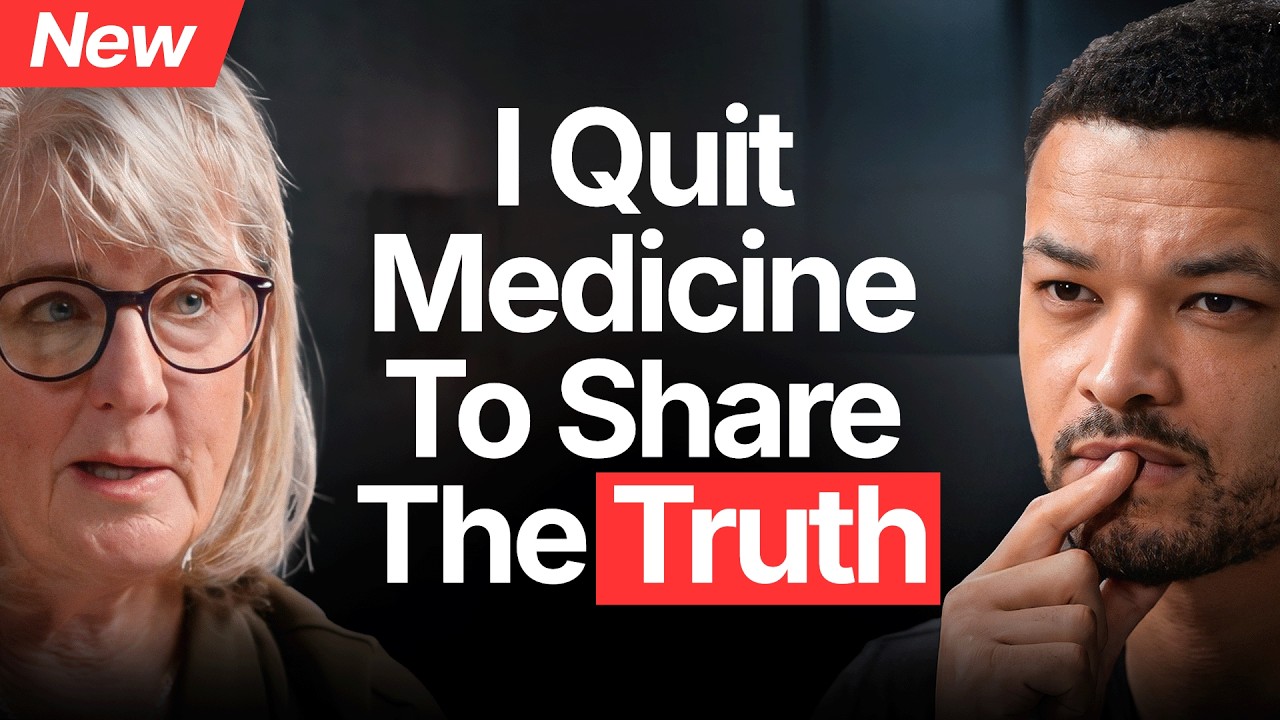

"So the supplement industry at the moment is a mess. And I say that only because I have seen dramatic things happen to my patients that are not what I expected. And vitamins are a form of biohacking. They're just as dangerous as any drug you could put in your mouth."
About this episode
Neurologist and sleep clinician Dr Stasha Gominak tells Steven Bartlett she believes widespread vitamin D deficiency has contributed to a global rise in sleep problems and broader chronic illness, arguing that vitamin D functions as a hormone with brainstem relevance rather than a simple dietary “vitamin”. She describes sleep-study observations in headache patients and says that, after testing around 500 patients in late 2009, she found low vitamin D levels across the group and began trialling supplementation alongside other interventions.
Gominak advances a contested hypothesis that vitamin D deficiency disrupts the gut microbiome, lowering production of B vitamins and contributing to inflammation, pain and insomnia. She also argues that supplement dosing should be guided by blood levels, not fixed daily doses, and criticises what she describes as institutional reluctance to test or individualise vitamin D management. In a prominent anecdote, she cites a patient taking 30,000 IU vitamin D daily for several years while maintaining a blood level “in the 60s”.
She distinguishes sunlight exposure from supplementation, citing literature that skin-made vitamin D may behave differently and arguing that sunlight produces other compounds beyond vitamin D. The conversation ranges into microbiome theory (including faecal transplant practice) and ends with highly controversial assertions that conditions such as narcolepsy may be treatable through the same lens, including a claim that one patient “cured herself” using nicotine patches.
The episode is heavy on personal clinical experience and hypotheses rather than peer-reviewed consensus, with repeated warnings about supplement side-effects and dosing variability.
Key takeaways
- Dr Stasha Gominak claims vitamin D is a hormone relevant to sleep circuitry and brainstem function, and says supplementation can be “as dangerous as any drug” if misused.
- She says she tested about 500 patients in late 2009 and found vitamin D levels were universally low in that cohort.
- Gominak alleges professional guidance discouraged doctors from testing or individualising vitamin D, which she argues drives the public to non-clinical advice sources.
- She advances a hypothesis linking vitamin D deficiency to microbiome disruption and reduced B vitamin production, with downstream effects on sleep, pain and inflammation.
- She recounts a patient case involving 30,000 IU/day vitamin D for years while maintaining a blood level “in the 60s”.
- Gominak claims typical doctor-ordered vitamin D tests are “not accurate” without specifying methods in the excerpt.
- She says a narcolepsy patient “completely cured herself” using continuous nicotine patches, describing nicotine as a functional acetylcholine substitute.