Episode summary
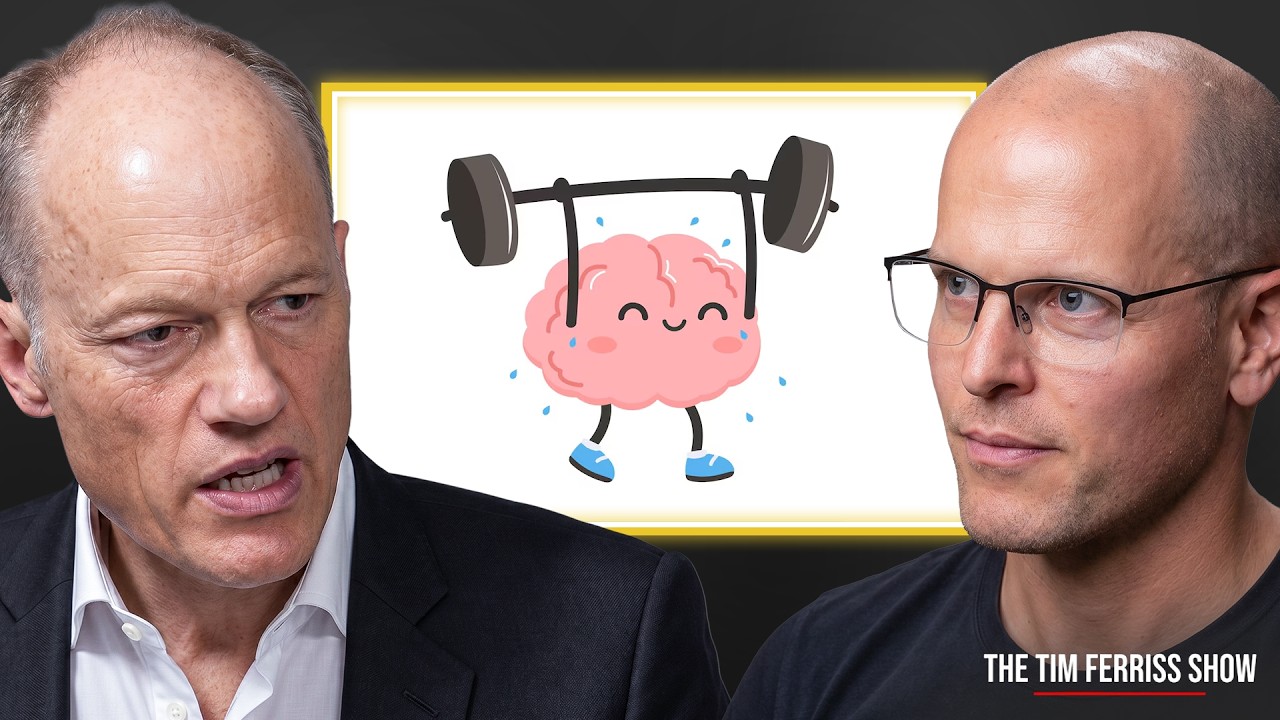
Sebastian Mallaby, author of books on venture capital and artificial intelligence, discusses the concept of the prepared mind and its critical importance in the AI age with podcast host Tim Ferriss. Mallaby traces the phrase from Louis Pasteur through multiple contexts in his research, including how venture capital firm Excel Capital used scenario planning to anticipate opportunities, and how OpenAI's Ilya Sutskever immediately recognized the transformer architecture's significance because he had spent a decade thinking about language models. The concept also applies to sports, exemplified by a New England Patriots interception in a Super Bowl where the defender had studied the opponent's plays. Mallaby argues that preparing one's mind becomes even more essential as AI tools become more powerful, warning that the real risk is outsourcing thinking itself rather than specific tasks. He reveals his own AI usage policies: he uses large language models to synthesize scientific papers before interviews, saving time on research while deepening his understanding, but refuses to use AI for writing because the writing process is fundamental to how he thinks and who he is. Mallaby acknowledges AI's improving capabilities, citing examples where professional editors could not distinguish AI-generated writing from human work, but insists people must protect the activities that give them meaning and define their identity. The conversation centers on finding the balance between leveraging AI for efficiency while preserving the cognitive work that makes us human.